
Entrepreneur with Peak District and Derbyshire holiday properties urges mayor not to impose tourism tax
A leading entrepreneur with a portfolio of Derbyshire and Peak District holiday let properties has urged the East Midlands Mayor not to impose a tourism tax on overnight visitors because he fears this will be the latest blow to the UK’s tourism industry.
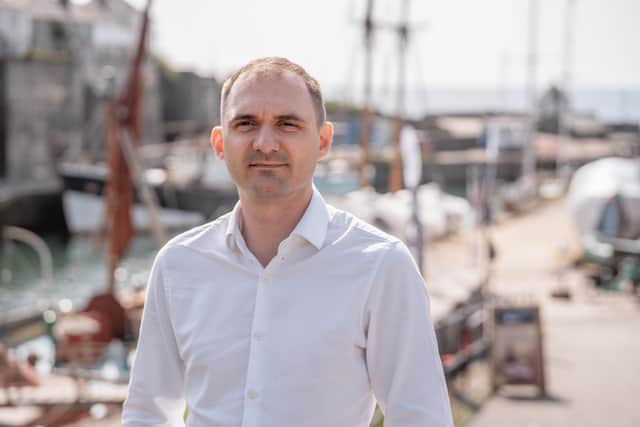
Richard Bond, owner of Finest Retreats, the UK’s largest independently owned holiday let management company with Peak District and Derbyshire properties among its portfolio, fears the Overnight Visitor Levy will mean fewer visitors, job lay-offs, and fewer seasonal hires especially when the industry is already dealing with increases in national insurance and minimum wages.
He said: “This is another blow to the UK’s tourism industry. Disguised as empowering Local Government, it’s essentially an anti-growth policy.
“For areas that introduce the visitor levy, fewer visitors could mean lay-offs, or at the very least, fewer seasonal hires, especially considering these businesses are already absorbing higher national insurance and minimum wages costs, none of which were in the manifesto.

“The UK’s tourism hotspots rely on visitor spending. If a nearby area introduces the levy and Derbyshire doesn’t, being the cheaper option will mean visitors will follow and more trade and seasonal jobs will be created. But get it wrong and the opposite is true.”
The Labour Government’s Local Government Secretary, Angela Rayner, presented the latest plan to give mayors in England the option to impose a ‘tourist tax’ without a cap on how much they can charge and with limited controls and greater freedom on how they wish to spend the proceeds.
Government aims to introduce the levy on overnight trips – dubbed as a ‘tourism tax’ – to help create an income for regional mayors to boost growth, including the Labour-led East Midlands Combined County Authority’s Mayor Claire Ward who oversees Derbyshire and Nottinghamshire.
However, Labour’s regional mayors have pledged to cap any new fee on visitors’ overnight stays at 5per cent after considering hospitality bosses’ warnings that it could put jobs at risk.
The Labour mayors said they would voluntarily limit the charge if they do apply it after they had listened to concerns over costs.
While Labour mayors have backed the new levy, others have expressed caution or indicated that they will not bring it in.
Derbyshire County Council, which boasts the popular Peak District National Park on its patch, has criticised the Government after it announced it will be giving mayors new powers to levy a ‘tourist tax’ on holiday accommodations.
The Reform UK council previously backed opposition Conservative Group Leader, Cllr Alex Dale, after he persuaded the Reform administration to join opposition to the East Midlands Mayor’s proposal to introduce a ‘tourism tax’ levy for overnight visitors to the national park.
EMCCA Mayor, Ms Ward, has welcomed the Government’s consultation response published on September 10, on new powers that could allow mayors in England to introduce the levy on overnight stays.
The Government and EMCCA argue the proposed Overnight Visitor Levy would support a range of activities to attract more visitors and encourage them to stay longer.
The levy would be paid by visitors staying in commercial accommodation such as hotels, guest houses, holiday lets, B&Bs and campsites.
Ms Ward says she will work with partners, businesses and stakeholders to shape any scheme to understand what is right for the region, while investing in transport, infrastructure and activity to grow the visitor economy, improve places and support jobs and businesses.
She said: “The overnight visitor levy is a way that we can sustain investment – year after year – in the places and experiences that people will return to.”
Ms Ward added the levy has worked elsewhere in the world and she is confident EMCCA can make it work for the region with partners, businesses and stakeholders while making the most of any money raised.
EMCCA says it is committed to growing the region’s visitor economy by at least £1bn by 2035 and a visitor levy could help support that ambition by funding improvements including events, culture, heritage, public spaces, and destination marketing while supporting businesses.
The Government has said the power would give local leaders more choice over how to raise and invest money in local priorities.
EMCCA says it will continue to work with the Government as the national policy develops and any local proposals would be shaped through engagement and would be considered through EMCCA’s decision-making process.
But Mr Bond added: “This is a stark test of how much each community depends on tourism for their local economy, and frustrating for the business owners who aren’t a part of the decision yet have to shoulder the fallout.
“By handing this decision to mayors rather than a government mandate, local leaders have a choice.
“The mayors who choose to stay levy-free are the ones who truly back local businesses and will be the ones welcoming visitors who refuse to pay the levy in neighbouring areas.”
Local Government Secretary, Angela Rayner, stated the levy would help fund communities and the measure will give mayors the choice to raise and reinvest funding.
For now, the rate will be set at no more than five per cent in almost every major English city after Labour mayors agreed to cap their charges at that level.
The proposal is expected to be introduced in Parliament as a bill within months and mayors will be allowed to charge a levy as a percentage of the price of an overnight stay rather than as a flat fee.
Peak District National Park Authority CEO Phil Mulligan said: “News that the Government are to give regional mayors the powers to introduce a new visitor levy comes as no surprise and we welcome the fact that we now have a decision from Government on this.
“We are yet to hear whether the EMCCA Mayor is going to take up this new power and we remain keen to engage with the Mayor at the earliest opportunity around how any such power would function locally and in particular how any funds raised from those visiting the national park – not just staying overnight within it – could be used to help deliver the national park management plan.”