
Peak District farmer says inheritance tax hike is a “downward spiral” for Derbyshire's rural economies
A Derbyshire farmer says planned inheritance tax hikes will spell a “downward spiral” for rural economies and could mean the end for small businesses.
Jane Bassett, 60, runs a 180-care beef and cattle farm in Hartington and regularly deals with “53” dependant local suppliers – many of which say farmers are now no longer spending money.
The Derbyshire food producer says since the Government scrapped 100 per cent relief on inheritance tax for farmers in the budget many are “afraid” to invest – as the low-income, asset-rich business are “fearful of the future”.
Previously farmers could claim 100 per cent relief on inheritance tax however under new rules effective from April 2026 relief will be restricted to the first £1 million of combined agricultural and business property. Above this amount, landowners will pay inheritance tax at a reduced rate of 20 per cent.
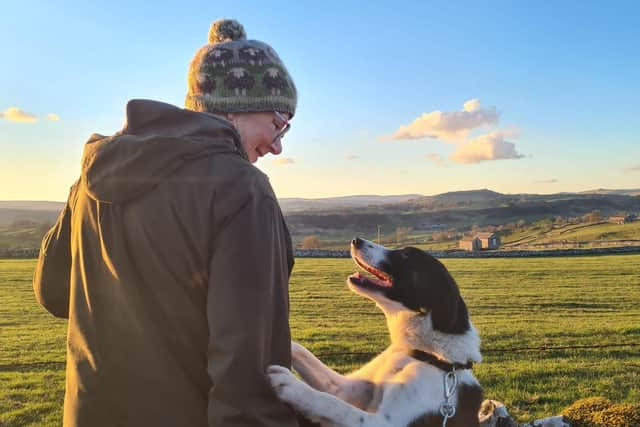

The Government claims the bulk of previous claims for tax relief – based on its latest figures – were below the £1 million threshold and “almost three-quarters of estates claiming agricultural property relief would not be affected by the changes”, however one farmer working on a 1,000-acre dairy farm Derbyshire Times spoke with reported an income of £20,000 a year.
National Farmers Union (NFU) members say those who have previously claimed for under £1 million are not farms but “smallholdings or pony paddocks” attached to large private rural homes.
Speaking about a “bleak” downturn in her own part of Derbyshire since the Budget, Jane said: "Farmers aren’t spending money with local suppliers now and the implications going forward are that those businesses are not going to be able to afford to employ people.
"This will have a massive impact on the rural economy going forward. Farmers and rural businesses can’t invest when they’re fearful of the future – suppliers are not getting the orders that they need and some of them are saying sales figures are 80 per cent down on what they were last year. Farmers lent Labour their vote on the idea of growth but it all seems to be contraction.”
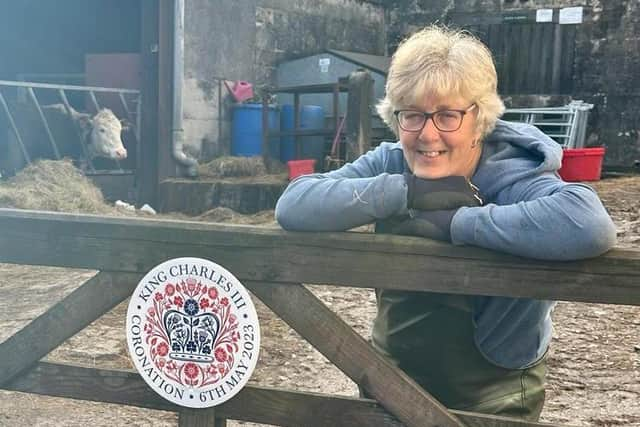
Jane, 60, says 11 local businesses were involved in work to improve her farm’s water quality, including concrete suppliers, building contractors, agricultural suppliers, builders and wood merchants.
"It’s huge,” she added: “Nobody has realised until now how many jobs sit on the back of there being a farm there. We’re not a massive farm but we deal regularly with 53 other businesses.”
"At present we have a mixture of farms but there is a danger that they’ll increase in scale which would mean less local suppliers – they would deal with more with national companies as they would have more buying power and be more ruthless.
"You’ve only got to look at the supermarket model – it’s a downward spiral. We need a diverse rural economy where everyone has a little bit and everybody is able to be viable and pay their taxes.”
Many in the farming industry feel the Government devised the tax-raising policy without fully thinking through its implications, not just for farms but for the local businesses they deal with.
Jane said: “This is a big conversation that we need to be having – it’s important for us regionally and nationally. The whole thing needs to be revisited. But if you can’t get people to the table how can you make things better.
"We as an industry want to move forward and modernise but investments are dependent on the following five or six years and now just have the brakes on us. Most of what we invest in, for example tractors and machinery, are on finance but we’re afraid to take anymore financial pressure on now.
“The outlook is bleak and very concerning. If it goes through as it is with no alteration the financial implications will be crippling.”