
How concealed head vents are helping uPVC sash windows keep their traditional charm
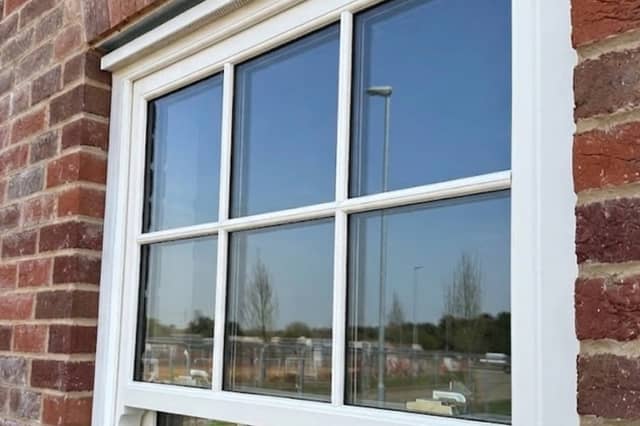

Stand outside a well-kept period home and the things that make it look right are rarely the obvious ones. It’s the proportions of the windows, the pattern of glazing bars, the finish chosen. Get those small details wrong and a house can look subtly off, even if you can't quite put your finger on why.
Windows are where this matters most. They are the feature your eye lands on first, and on older or period-inspired homes a sliding sash window does much of the work in setting the character. Which is why a detail as small as a ventilation slot can have an outsized effect on how a property looks.
Why ventilation still matters
Homes today are built and renovated to be far more airtight than the draughty houses of a century ago. That is good news for heating bills, but it leaves warm, moist air with fewer ways to escape. Cooking, showering, drying washing and simply living all add moisture to the air, and without a steady trickle of fresh air it tends to settle on cold surfaces as condensation.
Over time that can mean damp patches, peeling paint and mould creeping around window reveals. A small, controllable flow of air keeps humidity in check and helps rooms feel fresher, without having to fling the windows open every cold morning. It is also why building standards increasingly expect new and replacement windows to include some form of background ventilation built in.
The trouble with visible vents
For years that ventilation has come from modern clip-in trickle vents, slim plastic bars fitted into the face of a window frame, with a flap you can open and close from inside. They do the job well, but sitting on the face of the frame they are hard to miss.
On a plain casement window, most people barely register them. On a sliding sash window, designed to echo the elegant lines of Georgian and Victorian originals, a chunky vent running across the head can look like an afterthought. It breaks the clean horizontal line along the top of the frame and nudges the whole window towards a more modern, bulkier appearance.
That is a frustration plenty of homeowners describe after a window upgrade. The glass is clear, the frames are neat, the colour is just right, and then trickle vents interrupt the look they were hoping for.
A more discreet solution
This is where concealed head vents are quietly changing things. Rather than sitting on the face of the sash, they are built into the head, the very top section of the window. A slim canopy across the top holds the ventilation behind it, leaving only a fine perforated strip on view from outside. The airflow is still there; the visible hardware largely is not.
The difference is striking once you know to look for it. From the pavement, the eye runs along an almost unbroken frame, and the window keeps the slim, balanced proportions that make a sash window so appealing in the first place. You get the fresh air without the clutter.
It reflects a broader shift in how windows are being designed. For example, Quickslide, a UK specialist manufacturer of uPVC sliding sash windows, now offers concealed head vents on its sash windows. It is part of a wider move towards more discreet, design-conscious ventilation details rather than features that sit awkwardly on top of an otherwise tidy frame.
A more sympathetic option for older homes
For anyone improving a period or period-style property, this kind of detail is worth knowing about. Heritage homes ask for a lighter touch, and many owners choose uPVC sash windows precisely because modern versions can capture that traditional look while being warmer and easier to maintain than the originals.
A visible vent can undo some of that careful effort, drawing the eye and making a sympathetic window feel a little less authentic. A concealed head vent helps keep the illusion intact, so the window looks like a traditional sash window first and a modern product second. In areas where keeping a consistent street appearance matters, it makes all the difference.
Why the small details earn their keep
Choosing windows is about far more than frame material or colour. Two windows can be the same shade of white and still look completely different depending on which features are selected, how they sit alongside the existing house design, and even the location they’re in.
These are the choices that decide whether a home looks carefully considered or merely updated, and they have a real bearing on kerb appeal when it comes to selling or even just taking pride in the place. Modern window design has grown noticeably more refined and homeowner-focused, and details like concealed vents are a sign of that.
Good ventilation and good looks used to feel like a trade-off, with practicality winning at the expense of a stylish finish. That is no longer the case. Discreet improvements such as concealed head vents let homeowners keep the fresh air and condensation control a comfortable home needs, while preserving the slim, traditional character that makes a sash window worth choosing. Sometimes the best upgrades are the ones nobody notices.
Find out more inspiring ideas here.