
Derbyshire County Council faces criticism over SEND crisis, care home closures and costly legal battle - but praised for improving grass verges
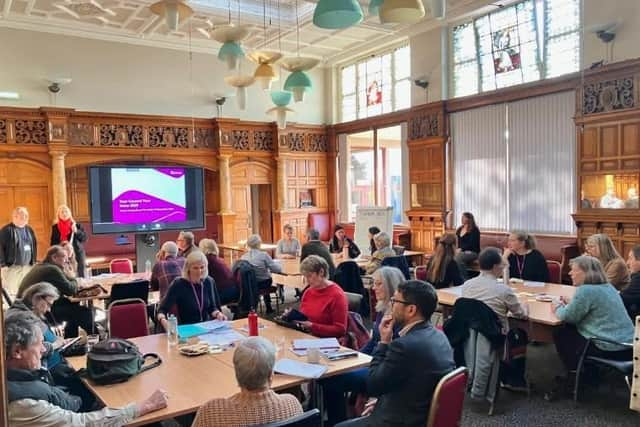
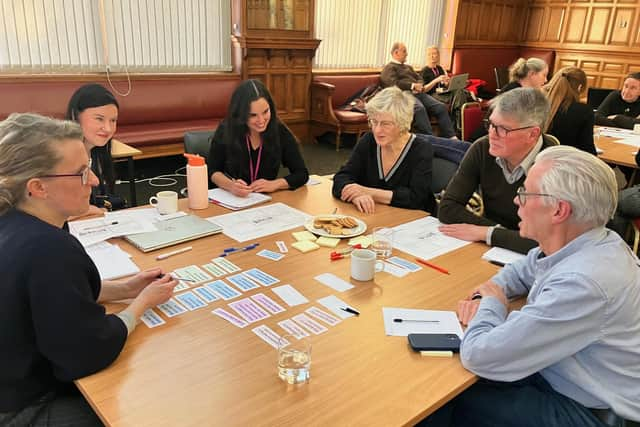
Derbyshire County Council’s leader and chief executive stressed the importance of listening and working together with residents after they hosted a focus group meeting to learn where people feel the authority does well and falls short.
The Reform UK controlled council opened its doors on November 12 to around 20 residents from across the county to hear a sample of views on the issues that matter to them and what they would like to see done differently.
Residents refused to pull their punches and also offered praise for a council that like so many nationwide is still having to consider savings and efficiencies to balance its books.
The authority has taken criticism over closing many of its care homes, scrapping its climate change committee and increasing council tax, but it has begun to successfully address its finances as well as the SEND crisis, and it was recently praised for its progress with road repairs.

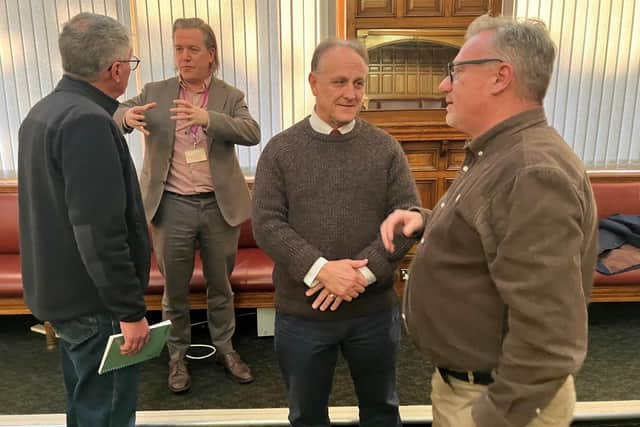
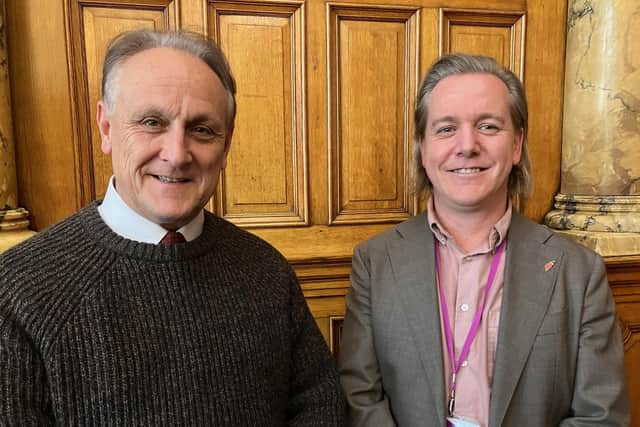
Council Leader, Cllr Alan Graves, told the focus group: “I spend a lot of my week dealing with residents’ problems first hand, both from my ward and from the wider Derbyshire area.
“Before politics, I ran my own businesses for many years. Business teaches you one lesson very quickly. If you don’t listen to your customers, you don’t last long.
“They tell you the truth, even when you don’t want to hear it. I believe a council should work the same way. You pay for our services and you rely on them, So your views matter.”
The council administration has shown signs of dealing more directly with campaigners attending the authority’s County Hall, in Matlock, by stepping outside and talking with those with concerns ahead of meetings.
However, in a change of rules the council recently agreed to introduce a time limit for supplementary public questions at Full Council meetings and to reject public questions if they are vexatious, or relate to individuals or reflect statements, and it agreed to remove the ability to submit a late question following a published agenda.
It has also faced criticism over its refusal to engage with BBC Local Democracy Reporting Service journalist Eddie Bisknell over concerns about news coverage.
Some focus group residents called for better communication and raised concerns that it is not always easy to establish which parish, district or county council or council department deals with which particular service.
Neil Butler, of Riddings, said he would like to see fewer national and political issues drifting into council discussions.
He said: “I am concerned that national issues are creeping into local administrative bodies. The politics should be about making the lives of people better.”
Mr Butler added: “I am very positive about the council but I am sceptical about some of the council representing political parties’ opinions rather than the people they represent.”
John Green, of Matlock, feels public consultations where residents are invited to submit comments on specific planned changes are having little impact on influencing council decisions.
He said: “My impression is that they are just to inform us what is going to happen rather than having an impact into the process.”
Mr Green added: “It’s this openness that is one of my main issues. I see the council as a closed door we have to bang on to make ourselves heard.”
He also expressed concerns about the council’s handling of a costly dispute concerning access to a former council car park in Matlock for 81-year-old retired teacher Helene Ball via her garden gate before a court granted the resident immediate prescriptive easement rights.
Some residents expressed frustration trying to find who is the best councillor to contact to deal with their issues.
Cllr Graves recommended that, in addition to using the council’s website, that people visit the ‘write to them’ website which helps guide people to the right councillor and MP with any concerns.
Ian Thurman, of Youlgrave, said he was concerned the council needed to be more in ‘control of the story’ and regarding concerns about SEND he felt the media had been ‘leading the story’ rather than the council and it looked like the council was not in control.
James Angus, of Longford, praised the council for improving grass verges but raised concerns about continued litter problems.
One resident also expressed concerns about the ‘abandoned’ state of the closed former Rowthorne council care home building in Swanwick.
This building was part of a collapsed sale of eight care homes to a single provider and the properties are now either being put up for auction or reconsidered for re-purposing.
Cllr Graves said: “I feel like I am a person in politics rather than a political person. I know how the political system works and I do get it to work for residents.
“We talk about getting services right and if there are things we can do and if there is the capacity – we will do that.”
Council Chief Executive Neil Crittenden said that something he learned early in his career is ‘there is no us and them, there is only us’ because he feels if the council and residents can work together they can ‘work better’ for Derbyshire.
Hildegard Wiesehofer, of Middleton-by-Wirksworth, said: “One of the issues that came up time and time again was communication and we need to see a follow-up from the focus groups.”