
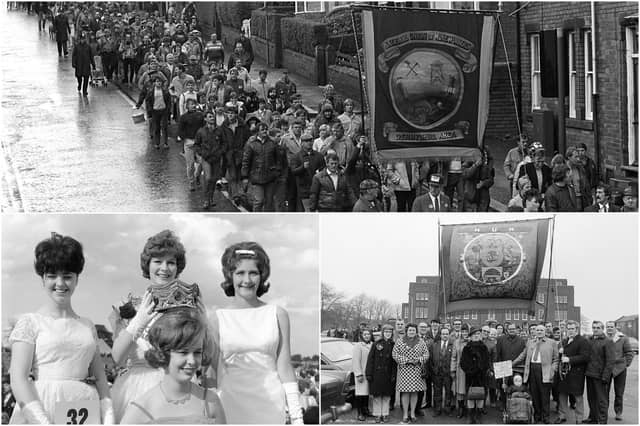

More than 65 percent of miners in north Derbyshire had downed tools in the 1984-85 strike. Their action was in protest against the threat to 20,000 mining jobs in the country’s pits. The National Coal Board had announced plans to cut coal output and stem a multi-million pound annual loss.
The strike lasted for 362 days, causing hardship and deep rifts in communities where some miners broke through picket lines to go to work. Wives and supporters rallied round to organise soup kitchens to feed the families of striking miners.
The previous decade, a strike by miners over pay led to the country being plunged into a three-day working week as businesses conserved electricity.
Mining began in Derbyshire in the 12th century and was so much more than a job, giving rise to many social enterprises including miners welfare clubs and brass bands.
We’ve dug deep into our archives to find these photos which look at Derbyshire colliers and the social side of pit communities…
MORE RETRO PHOTOS: Looking back at Chesterfield's Scarsdale Hospital down the years
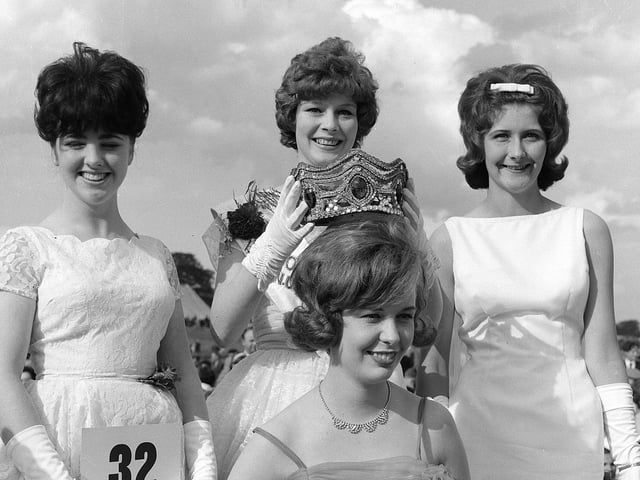
9. Bolsover
Monica Smith, representing Bolsover Colliery, is crowned Coal Queen at the 1963 Miners Rally and Gala by the previous incumbent Brenda Blood as runners-up Margaret Smith and Pamela Woodcok look on. Photo: Submitted
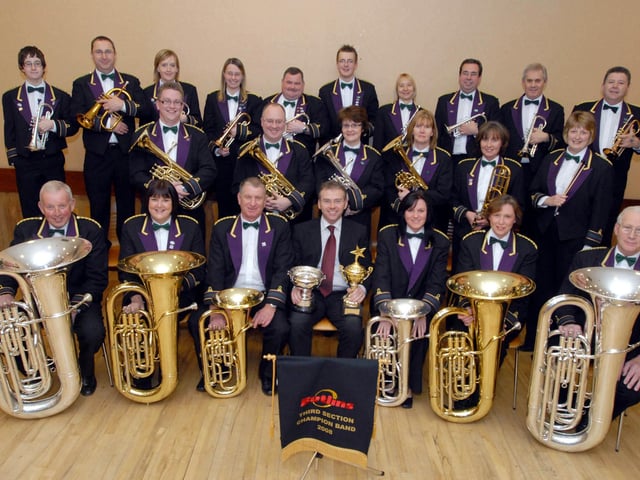
10. Shirebrook
The Shirebrook Miners Welfare UNISON Band celebrate their double success after winning the Butlins 2008 3rd section Championships and the Best Mineworkers Band in 2008. The band is still going strong and has dropped UNISON from its title. Photo: Angela Ward