
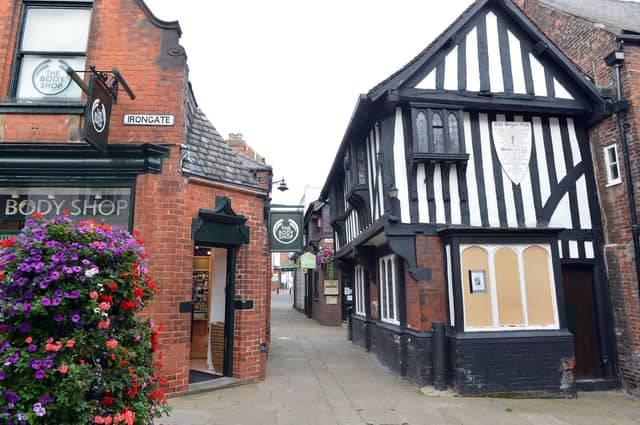

Chesterfield and District Civic Society has produced this list of some of the best-known thoroughfares and back alleys in our town, and the often long-forgotten background to their names.
Philip Riden, the society’s former chairman, previously told the Derbyshire Times: “The names of streets, whether they have existed since the Middle Ages or whether they have been devised in modern times, can throw a great deal of light on the history of a community, in Chesterfield as in any town.
"Also in Chesterfield, as elsewhere, some old names have disappeared, but remain clues to the past.”
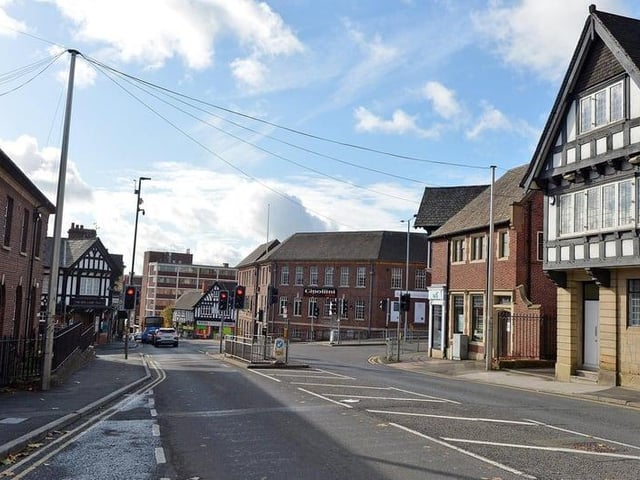
5. St Mary’s Gate
Chesterfield is unusual in that the name of the main road running from south to north through the town has changed completely. What are now St Mary’s Gate and Lordsmill Street were both called Soutergate until the 16th Century. The first element (‘souter’) means ‘shoemaker’ and illustrates how important tanning and shoemaking were in the medieval town. The second element does not mean ‘gate’ in the modern sense but ‘street’. Philip Riden, chair of Chesterfield Civic Society, said: "The northern half of Soutergate became St Mary’s Gate in the 16th Century, at the same time as the parish church acquired its modern double dedication to St Mary and All Saints." Photo: Brian Eyre
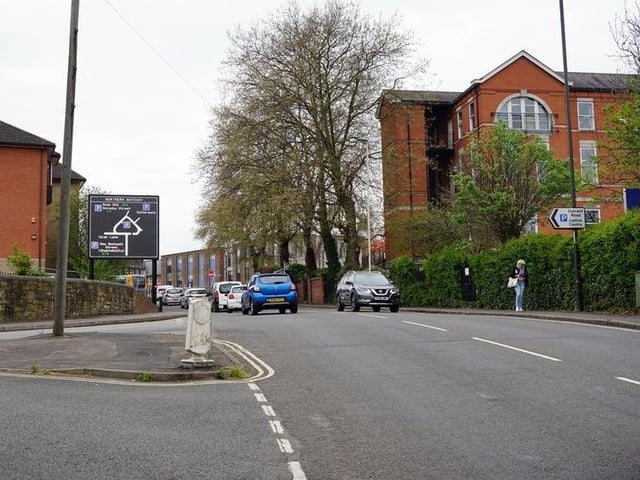
6. Durrant Road
Durrant Road is named from a family of wealthy medieval merchants whose name (usually spelt Durant) ultimately derives from the French Christian name Durand. Their house, known as Durant Hall, stood on the site of the Royal Hospital of 1859. Photo: Brian Eyre
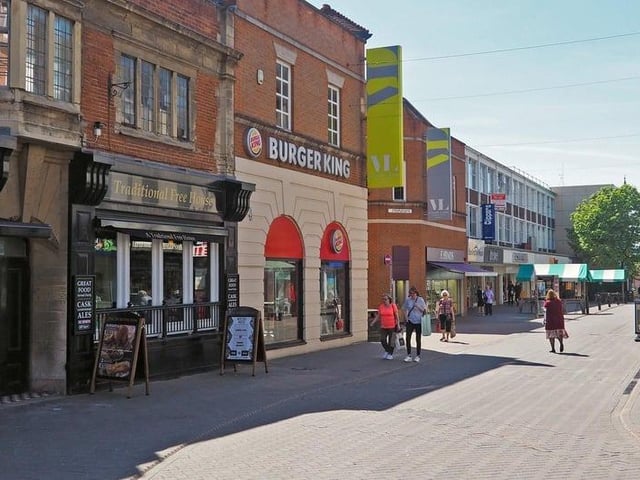
7. Burlington Street
Built in the 1830s, together with Cavendish Street, to provide better access from Sheffield Road. Cavendish Street was built by the 6th Duke of Devonshire, as were Devonshire Street and Abercrombie Street, as part of his attempt to improve to his Chesterfield estate, but despite its name Burlington Street was not. Photo: Brian Eyre
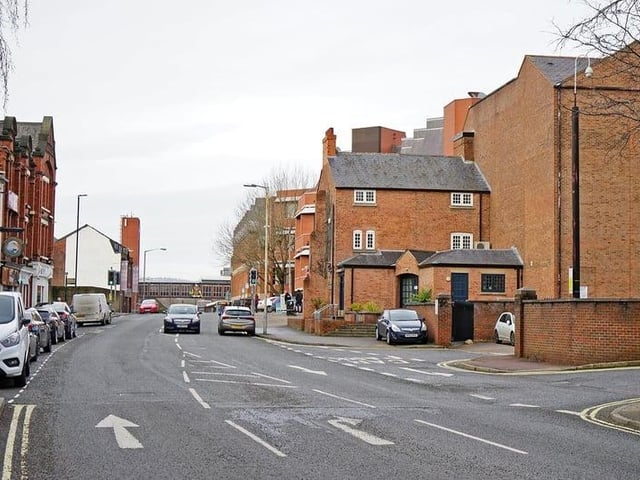
8. Beetwell Street
At the opposite end of the town centre, Beetwell Street seems to be named after a well belonging to a family named Bate or Bete, who must have lived there. Until the 19th Century South Street was regarded as part of Beetwell Street, which was sometimes called Nether Market Stead Lane. This meant the ‘lower road leading to the market place’ – Knifesmithgate being the ‘higher road’. Photo: Brian Eyre