
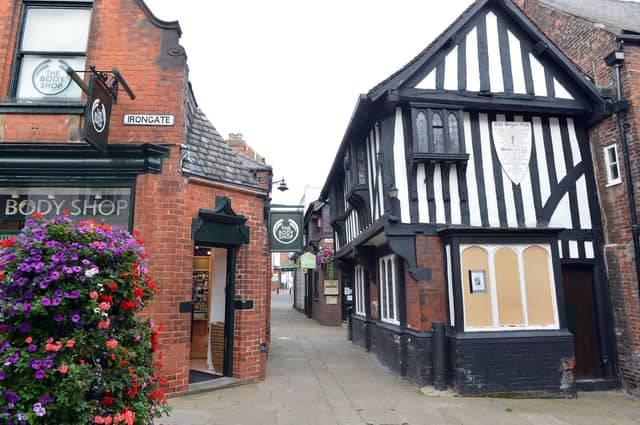

Chesterfield and District Civic Society has produced this list of some of the best-known thoroughfares and back alleys in our town, and the often long-forgotten background to their names.
Philip Riden, the society’s former chairman, previously told the Derbyshire Times: “The names of streets, whether they have existed since the Middle Ages or whether they have been devised in modern times, can throw a great deal of light on the history of a community, in Chesterfield as in any town.
"Also in Chesterfield, as elsewhere, some old names have disappeared, but remain clues to the past.”
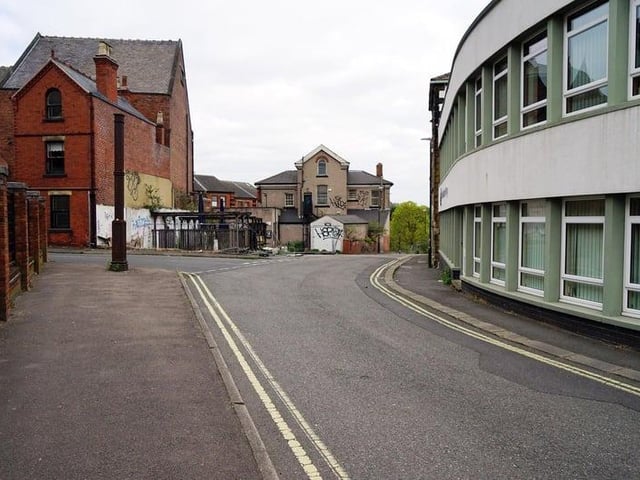
17. Station Road
Station Road hasn’t led to the station since 1870. Mr Riden said: "In the Middle Ages it was called Behindhand because it ran behind the houses on one side of St Mary’s Gate. Lots of towns have a Station Road, but how many have a Behindhand? This is another lost name that might be restored." Photo: Brian Eyre
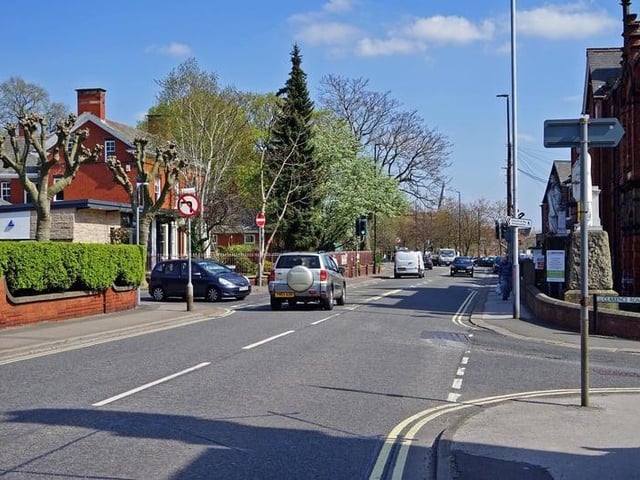
18. Saltergate
Saltergate, as is well known, refers to the trade in salt in the Middle Ages, which was carried from Cheshire to all parts of the Midlands and North on well-defined routes on which the word ‘salt’ has survived. ‘Saltways’ carried other traffic as well, including cheese which came from Cheshire into Derbyshire, and malt which went back to Lancashire and Cheshire to be used for brewing. Photo: Derbyshire Times
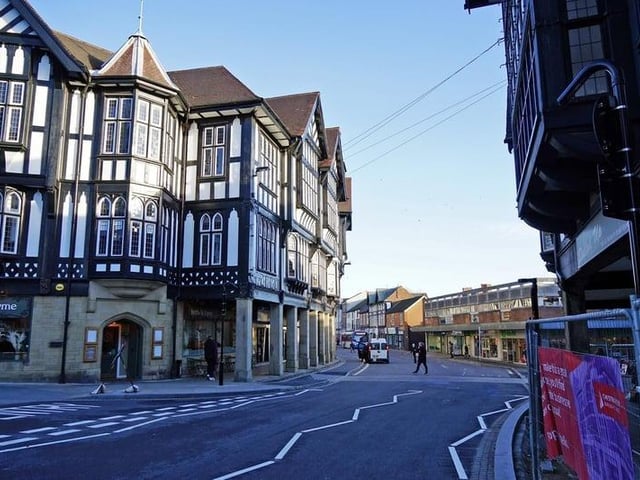
19. Knifesmithgate
Knifesmithgate was not a street occupied by knifemakers, but appears to be named after a Medieval family named Knifesmith, who probably did originally make knives. Photo: Brian Eyre
20. Low Pavement
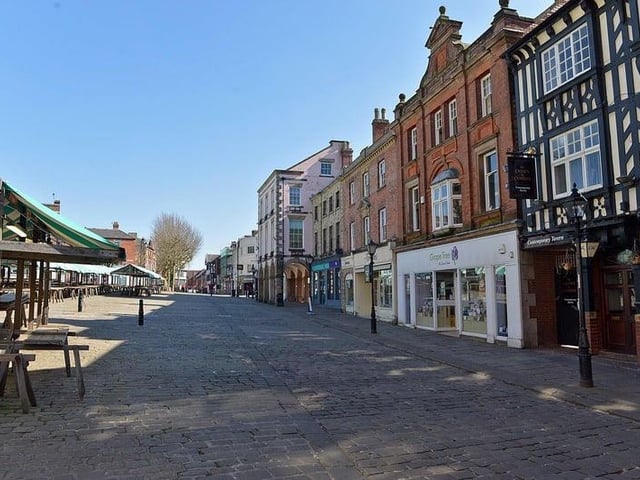
The name Low Pavement simply refers to the road on the lower side of the Market Place – the ‘new market’ laid out in the 1190s to replace Chesterfield’s original market place to the north of the parish church. What is now High Street was known as High Pavement until the 19th century. Photo: Brian Eyre