
Do you know which garden plants could harm your pet?
Dronfield veterinary practice shares the hidden risks every pet owner should look out for this season.
With summer on the way and gardens coming back to life, veterinary teams are seeing a rise in avoidable cases linked to toxic plants and grass seeds, hazards that many pet owners don’t realise are right on their doorstep.
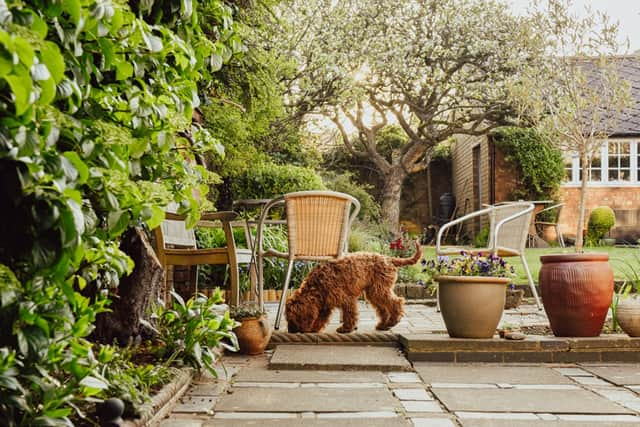

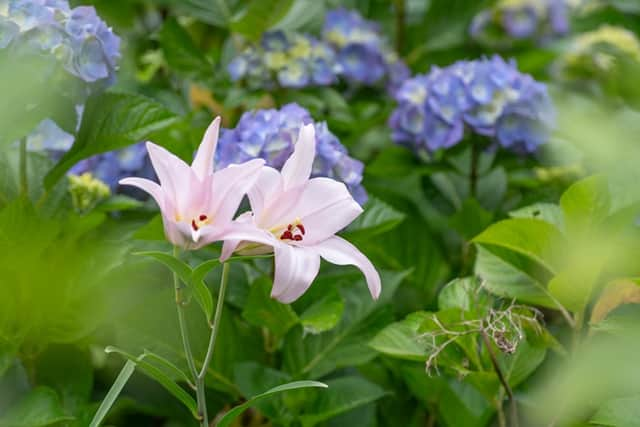
Many popular plants can be harmful if pets chew, lick, or dig them up. Some of the most common include lilies, rhododendron, tulips, hydrangea, and bluebells.
Curious dogs may nibble leaves or bulbs, while cats can be affected simply by brushing past certain plants and grooming themselves afterwards. Some plants cause mild tummy upsets, but others can lead to serious illness.
Signs of plant poisoning can include vomiting, diarrhoea, drooling, lethargy, loss of appetite, excessive drinking, or collapse. Symptoms don’t always appear straight away, so pet owners should contact their vet immediately if they spot their pet eating a plant they are unsure of.
Owners should check plants are safe for pets before adding them to the garden or bringing them into the home. Bulbs and seeds should also be stored out of reach of pets before planting.
Grass seeds are another seasonal risk, particularly for dogs, and can lead to pain, infection, and complex veterinary treatment. These small, sharp seeds can become lodged in paws, ears, eyes, noses, or under the skin. Common warning signs that owners should look out for include persistent licking of a paw, head shaking, limping, or a sore, weepy eye.
Owners are advised to check dogs thoroughly after walks, especially between toes, around ears and armpits, as removing grass seeds early can prevent big problems later on.
Maeve Turnbull, Clinical Director at Dronfield Veterinary Clinic, says “Our pets love exploring the garden as much as we do, but they don’t know what’s safe and what isn’t. Every spring and summer we see cases linked to toxic plants and grass seeds. Supervision and regular checks can make a huge difference to your pet’s health and comfort.
“At Dronfield Veterinary Clinic, we’re always happy to offer advice and reassurance. If you have any concerns about your pet’s health, behaviour, or something they may have encountered outdoors, please get in touch.”