
Woodhead Pass reopens after five weeks of devastating Derbyshire wildfires at Tintwistle Moor
A road through the Peak District has reopened after five weeks of wildfires on Tintwistle Moor.
The A628 Woodhead Pass, a busy Pennine route between the A616 at Langsett and the A57 near Hollingworth, near Glossop, was shut while Derbyshire Fire & Rescue battled to contain the blaze, thought to be one of the worst in England’s history.
Officers were first called on June 24, but a major incident was declared on July 13 and the route was shut to all traffic on July 20.
Firefighters remain at the scene, but all “visible flames” have reportedly been contained.
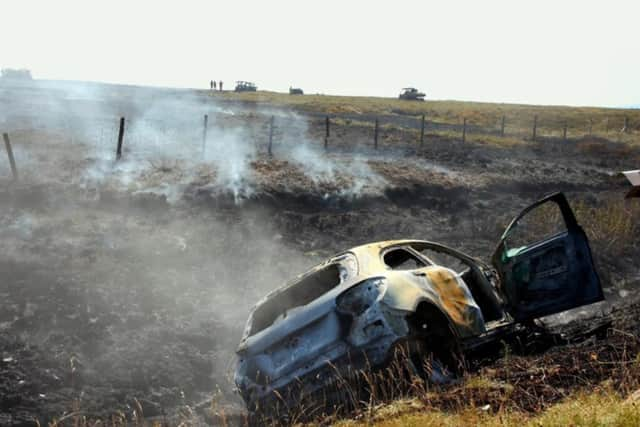

It comes as swathes of England are currently rated ‘very high’ on the Fire Severity Index - a system assessing how much of a risk a wildfire poses if one breaks out.
A spokesperson for Derbyshire Fire & Rescue said: “We are pleased to advise that the A628 will re-open to traffic Friday morning
“There will be three sets of temporary traffic signals in operation when the road re-opens to support the ongoing firefighting activity. These signals will be located between Tintwistle and Crowden and they are expected to cause some delays.
“Once again, we would like to express our thanks to local communities, businesses, and road users for their continued cooperation during the road closure and as work continues to ensure the fire is fully extinguished and the area is safe.”
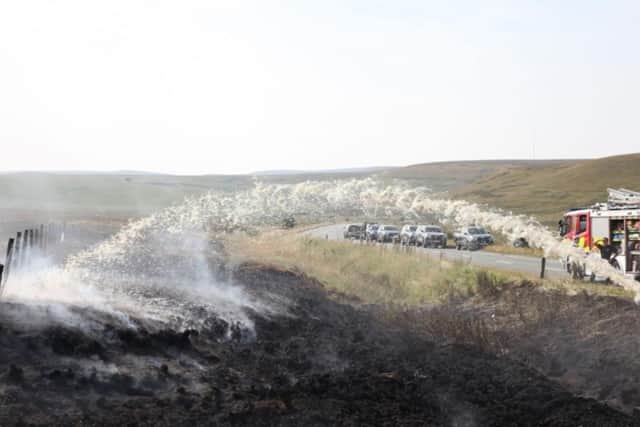
The force explained how the risk of further fires breaking out remains.
The spokesperson said: “Hotspotting operations remain a key focus across the fireground to identify and extinguish deep-seated pockets of heat and reduce the risk of re-ignition.
“The nature of peat fires means they can remain active beneath the surface for extended periods and require careful monitoring and treatment.”