
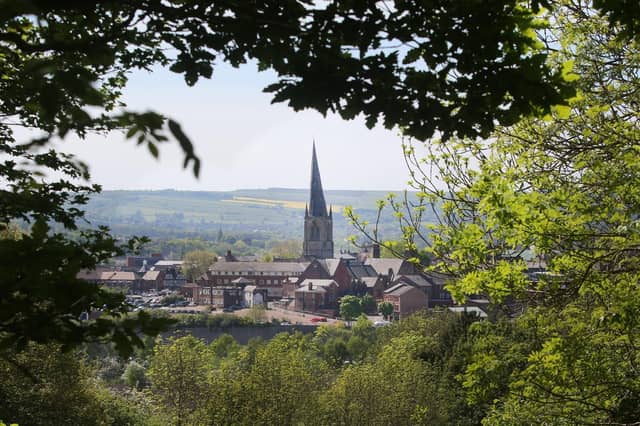

From Chesterfield’s Crooked Spire to the beautiful scenery of the Peak District National Park, there is plenty to love about the county – which is filled with unique attractions and historic landmarks.
As an outsider, I’ve been acclimatising to life here gradually – and have put together a list of some of the things that I’ve learnt in that time:
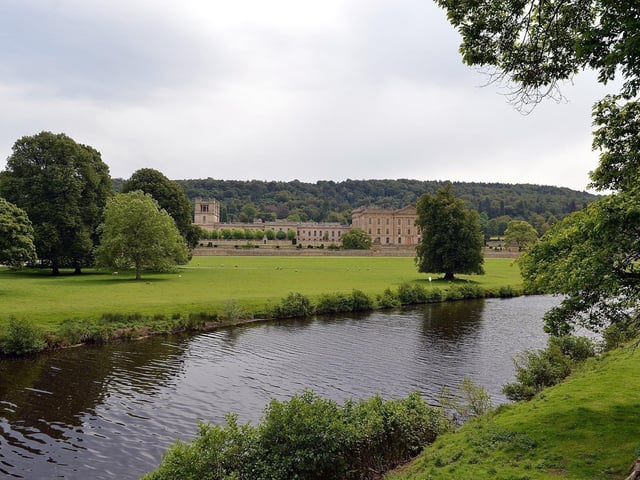
5. History
One thing that has struck me about Derbyshire since moving here is the area’s rich history. You only have to look at the likes of Chatsworth House, Hardwick Hall, Calke Abbey and Bolsover Castle to get a taste of Derbyshire’s remarkable heritage - and there are plenty more historic landmarks dotted across the county. One of Chesterfield’s most interesting historical sites is Revolution House. In 1688, three local noblemen – the Earl of Devonshire, the Earl of Danby and Mr John D'Arcy – met there disguised as a hunting party, to begin planning their part in the overthrow of James II. Photo: Brian Eyre
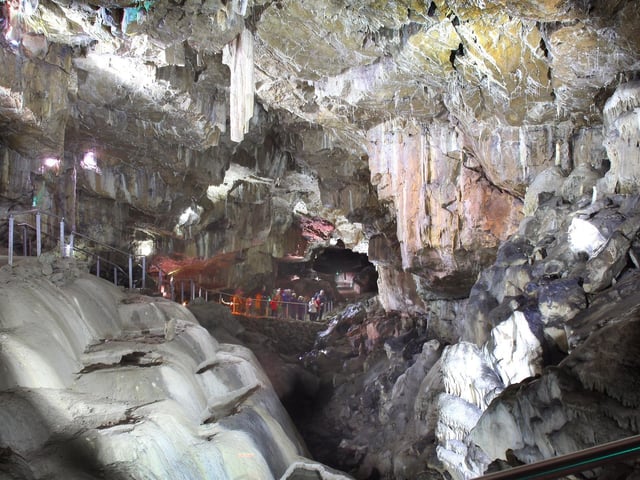
6. Unique areas of natural beauty
Derbyshire and the Peak District are home to some remarkably unique areas of natural beauty - including the likes of Poole’s Cavern and Lud’s Church. The remarkable ancient limestone caves at Creswell Crags are filled with history, including the only known example of ice age cave art in the country - which has been dated at around 13,000 years old. Photo: Jason Chadwick
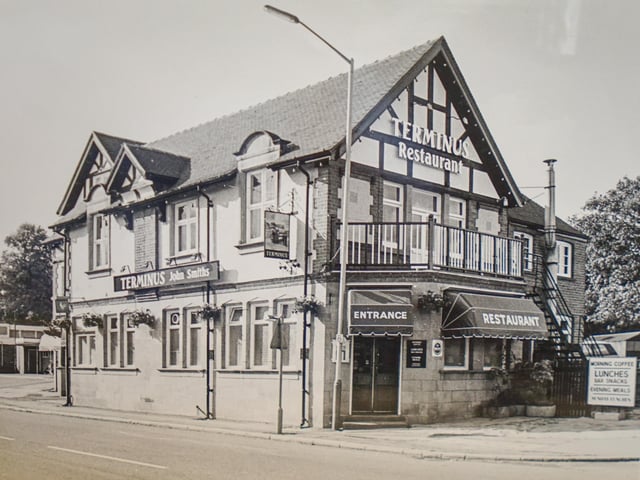
7. The Brampton Mile
Brampton Mile - Any true Chesterfield resident would know that the Brampton Mile is not a measure of distance and can in fact leave you with a serious hangover. I’m yet to take on the challenge myself - but perhaps it’s one I’ll tackle at some point in the coming weeks. Can you remember the Terminus pub, pictured here, which used to be the official starting point for The Mile? Photo: Derbyshire Times
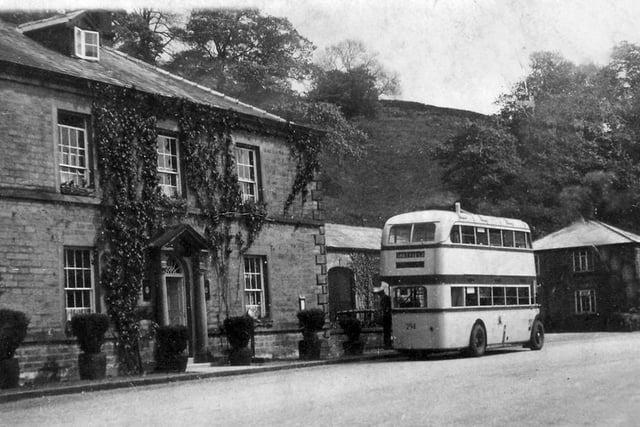
8. Derbyshire’s flooded villages
The fascinating tale of Derbyshire’s flooded villages was something I knew very little about until moving here. When water levels at Ladybower Reservoir are low, walkers may be able to catch a glimpse of Derwent - a village that was flooded as part of the creation of the reservoir. Derwent and nearby Ashopton (pictured here) were small villages but had tight-knit communities - and Ashopton’s inn was a popular stop on the route between Sheffield and Glossop. In spite of fierce local opposition, each building in the two villages was bought compulsorily by the Derwent Valley Water Board. Residents of both villages were moved to Bamford and their homes demolished, before the area was flooded in 1945 Photo: DT