
"Learn from the idiocy at Mam Tor": National Trust to pave popular Peak District trail amid concerns of overcrowding
The National Trust has begun a winter project to pave a trail across the Peak District’s Kinder plateau, in part to better protect the surrounding ecosystem – but those who appreciate the peak’s wild and rugged charms fear it could attract a new crowd of visitors less sensitive to the landscape.
Over the coming months, land workers and helicopter pilots will lay flagstones along a 1.4-kilometre section of an existing popular walking route – thought to be between Crowden Tower and Kinder Gates, and currently formed of exposed stone and bare earth – in the next stage of a wider peatland restoration effort.
Access will not be restricted during this period although people will be asked to avoid walking directly through the work area.
A spokesperson for the National Trust said: “The project aims to stop erosion of peat, primarily caused by pollution and historic land use. It will create a landscape that provides vital homes for wildlife, where the precious peat is covered in moorland plants and brilliant peat bogs. This will capture carbon, reduce flooding and help to improve water quality.
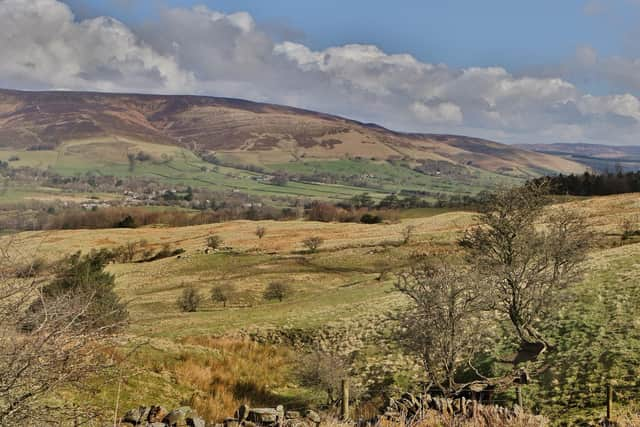

“Since the project started we have planted more than 800,000 sphagnum moss plants, spread seed and fertiliser and installed more than 4,000 gully blocks to help rewet the area and create the right conditions for moorland plants to grow – with more to do before March 2026.
“The flagstone path is the next step in the work to repair and prevent erosion at the same time as maintaining access for people at this historically important location.”
By paving the route with a more robust surface, conservationists say they can better protect the peat below, and also carry out work to restore vital moorland vegetation either side of the path to stabilise and cover the bare peat, benefitting wildlife and preventing carbon emissions.
According to planning documents for the project, submitted in 2024 and approved in October 2025, the plateau is one of the most popular walking areas within the Peak District National Park and the UK, already attracting 13.25million visitors every year via starting points such as Edale rail station.
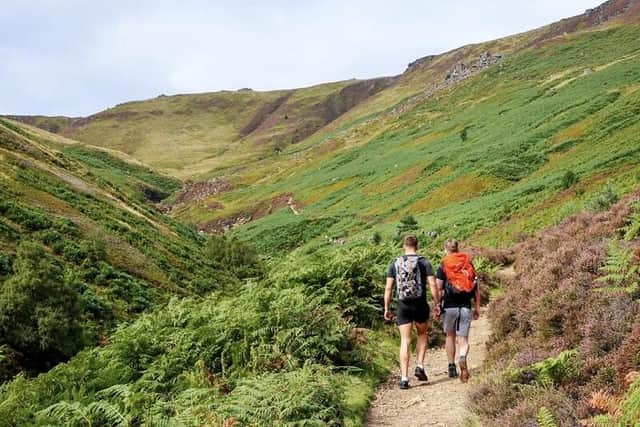
The planners note: “Visitor access pressure is now having a negative impact on this restored habitat. A significant increase in the number of visitors has led to new walking routes developing across the plateau.”
“The proposed flagged footpaths will help formalise pedestrian routes across Kinder Plateau and will provide a form of protection over areas of eroded and bare peatland.”
But some observers have raised the possibility that a more walkable path may result in a significant increase in footfall, bringing with it some of the other issues seen in other busier parts of the national park such as Mam Tor.
There authorities have had to intervene with new traffic management schemes and more casual visitors have been seen to dismantle ancient stone walls for the sake of social media posts.
As one objection to the plans put it: “Please leave beautiful Kinder alone. Leave the wildlife undisturbed, we humans leave enough of a footprint on this amazing place as it is.
“To have this kind of footpath installed also only encourages more inexperienced people calling themselves hikers to the area, who feel with a clear footpath they then don't have to learn to navigate with maps and arrive without any of the proper equipment. Please learn from all the idiocy going on a stones throw away at Mam Tor.
“Kinder works fine just as it, locals who love and appreciate it, and visitors who come and show the right level and kind of respect would agree. There is an epidemic happening recently with the problems of over tourism to the area, let’s not encourage more of this.”
Another agreed: “If this goes ahead, it will encourage more of the kind of people we have seen at Mam Tor – those who do not practice LNT [leave no trace], those who do not respect the Peaks and the local residents.”
While raising no objections, landscape officers for the national park authority have acknowledged the new path “will have a visual impact, paving the routes will detract from the area’s “quality of ‘wilderness’ and there being ‘few obvious signs of human influence’.”
Other parties have flagged their own concerns, with a number of local residents lodging objections which highlight the varying priorities of all those who use and serve the Peak District.
One respondent who wrote: “Paving the route from Crowden Tower path will only encourage further use by ill prepared parties into the moor, attempting the path to Kinder Downfall, and resulting in mountain rescue call out when people get lost or become tired.”
In its own submission, the British Mountaineering Council backed the plans and praised the National Trust’s consultation with relevant local partners, adding: “When these techniques have been sensitively and appropriately employed elsewhere in the Peak District, as appears to be the case with these proposals too, they have in most cases been shown to be successful in dramatically reducing path spread and harm to the surrounding vegetation in such a way as to be advantageous to both the landscape itself and also to the interests of the recreational visitors who seek to walk there.”
But not all walkers share that outlook, as one response states: “Another wrote: “In recent years, many day tourists (with less hiking experience) have started visiting the area. This is good for them and for the local economy.
“The present paved footpaths around Kinder edge (which have been added in more recent years) cater for these types of visitors. However, can we maintain at least one or two
places without paving for experienced/serious navigators/hikers?”
The Derbyshire Times asked the National Trust whether it shared those concerns.
The spokesperson said: “Across the Peak District we will continue our work, along with other partners and organisations in the national park, to welcome people so they can experience the benefits of connecting with nature and being active in the outdoors, at the same time as encouraging people to play their part in protecting and respecting this important place when they are here by leaving no trace.”