


There are a number of schools across Chesterfield where children are exposed to levels of pollutants that exceed World Health Organisation limits, according to the latest figures from AddressPollution.Org.
This data measures the level of three different pollutants at each address. The first is PM10, or inhalable particulates, which can cause wheezing, bronchitis and reduce lung development. It also records the level of PM2.5 – fine particulates which are smaller in size and can cause asthma, respiratory inflammation and promote cancers.
The website additionally provides figures for the amount of NO2, or Nitrogen Dioxide, in the air. Long term exposure to even low levels of this toxic gas increases mortality rates and contributes to the development of asthma, and other respiratory issues.
This list reveals the 15 most polluted schools in the Chesterfield area – and the levels of pollution at each site.
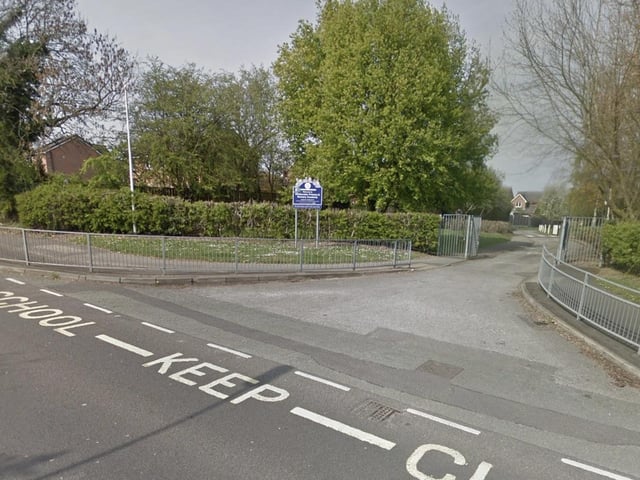
13. Walton Peak Flying High Academy, Whitecotes Lane, Walton
Walton Peak had an overall pollution score of 36. At this address, the annual average of the pollutant PM2.5 is 9.49mcg/m3 - nearly double the WHO limit of 5mcg/m3. The reading for PM10 at this address is 15.35mcg/m3 - just over the limit of 15mcg/m3. The reading for N02 was 15.25mcg/m3 - exceeding the limit of 10mcg/m3. Photo: Google
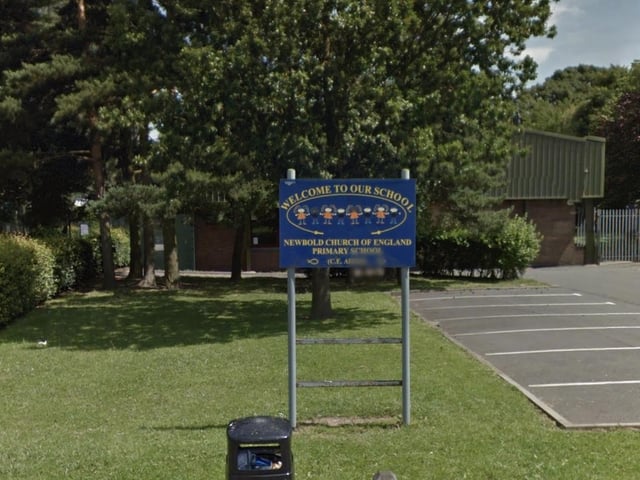
14. Newbold C of E Primary School, Cranborne Road, Newbold
Newbold had an overall pollution score of 35. At this address, the annual average of the pollutant PM2.5 is 9.44mcg/m3 - over the WHO limit of 5mcg/m3. The reading for PM10 at this address is 15.30mcg/m3 - also exceeding the limit of 15mcg/m3. N02 levels of 15.19mcg/m3 were recorded at the site - over the limit of 10mcg/m3. Photo: Google
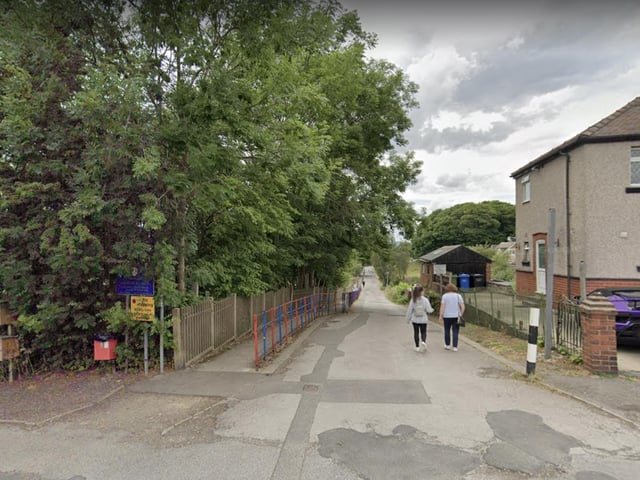
15. Hady Primary School, Hady Lane, Chesterfield
Hady had an overall pollution score of 35. At this address, the annual average of the pollutant PM2.5 is 9.53mcg/m3 - nearly double the WHO limit of 5mcg/m3. The reading for PM10 at this address is 15.37mcg/m3 - just over the limit of 15mcg/m3. The reading for N02 was 14.50mcg/m3 - exceeding the WHO limit of 10mcg/m3. Photo: Google