
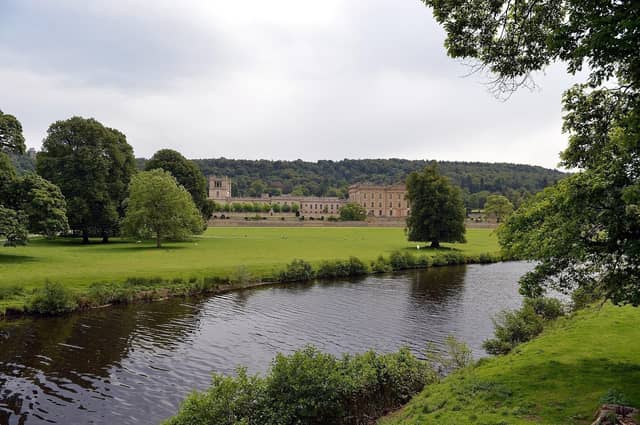

Derbyshire has a rich and storied history, and is home to some of the country’s most beautiful countryside – meaning unique attractions and landmarks can be found in every corner of the county.
We have compiled a list of some of the most unique places to visit across Derbyshire and the Peak District – which could not be mirrored in other parts of the country.
How many of these places have you visited – and are there any unique Derbyshire experiences you think should be added to our list?
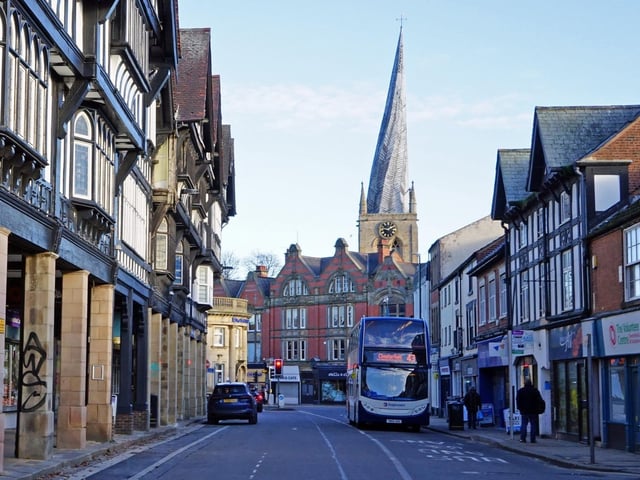
9. Climb the Crooked Spire
Chesterfield’s famous Crooked Spire has inspired many tales, seeking to explain the landmark’s unusual shape. Historians have put forward a number of different factors that may have contributed - including the use of unseasoned wood, a lack of skilled labour, and the later use of heavy lead sheeting in the 17th century. Whatever the reason, it would be find to hard a church quite like the Crooked Spire anywhere else - and you can also climb the tower itself for a great view over the town. Photo: Brian Eyre
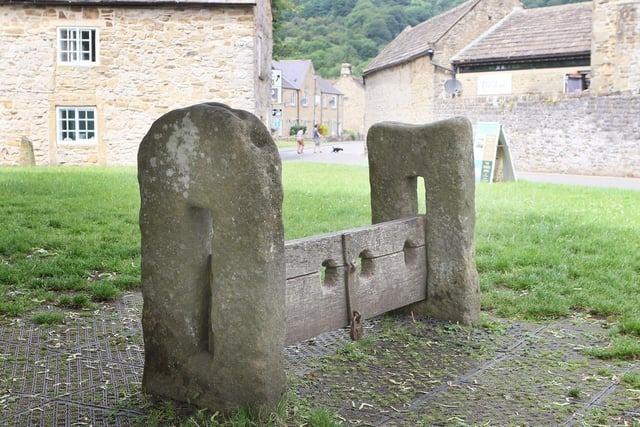
10. Explore the ‘plague village’
Eyam certainly has a unique place in history. It is known as the plague village, after residents quarantined themselves to stop the spread of a plague outbreak in the 17th century. If you want to learn more about the Black Death, Eyam is the perfect place to start - with a past unlike any other place in the country. Photo: Jason Chadwick
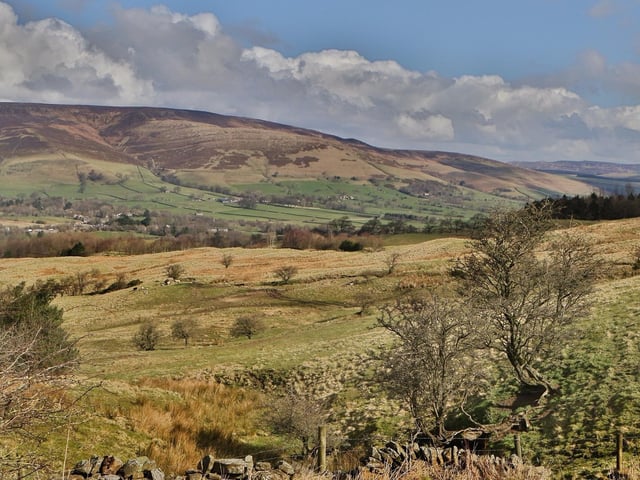
11. Visit the start of the Pennine Way
The Pennine Way is one of the UK’s best-known national trails - which begins in Edale and stretches some 268 miles to Scotland. If you want history and unique landscapes, look no further than a hike along this route. Photo: jason chadwick
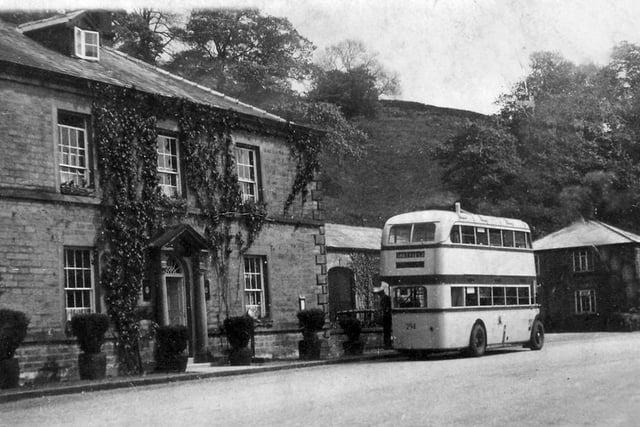
12. Try to spot the remains of Derbyshire’s flooded villages
When water levels at Ladybower Reservoir are low, walkers may be able to catch a glimpse of Derwent - a village that was flooded as part of the creation of the reservoir. Derwent and nearby Ashopton (pictured here) were small villages but had tight-knit communities - and Ashopton’s inn was a popular stop on the route between Sheffield and Glossop. In spite of fierce local opposition, each building in the two villages was bought compulsorily by the Derwent Valley Water Board. Residents of both villages were moved to Bamford and their homes demolished, before the area was flooded in 1945. Photo: DT