
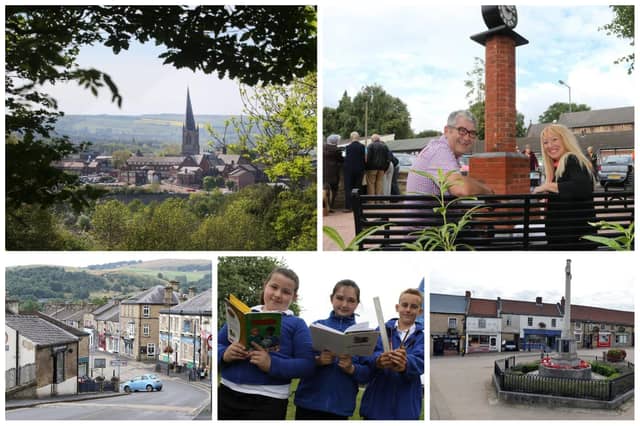

When it comes to British place names, Anglo-Saxon origins tend to dominate in the south and Scandinavian languages in the North, mixed in with Old British or Celtic terms for natural features such as hills and rivers. Derbyshire still shows the influence of all three factors in the names we find today.
Often towns and villages share common endings such as -tun (settlement), -ham (homestead), -feld (farmland), -by (village), -caester (Roman stronghold), -worthig (enclosure), -dun (hill), -halh (nook of land) – but these usually follow a first element which is much harder to define, especially when a personal name is concerned.
The famous Domesday Book – a land survey commissioned by William the Conqueror and completed in 1086 – shows Derbyshire names which have been modernised but otherwise changed very little in all that time.
To understand where they came from, we went looking in the Oxford Dictionary of British Place Names.
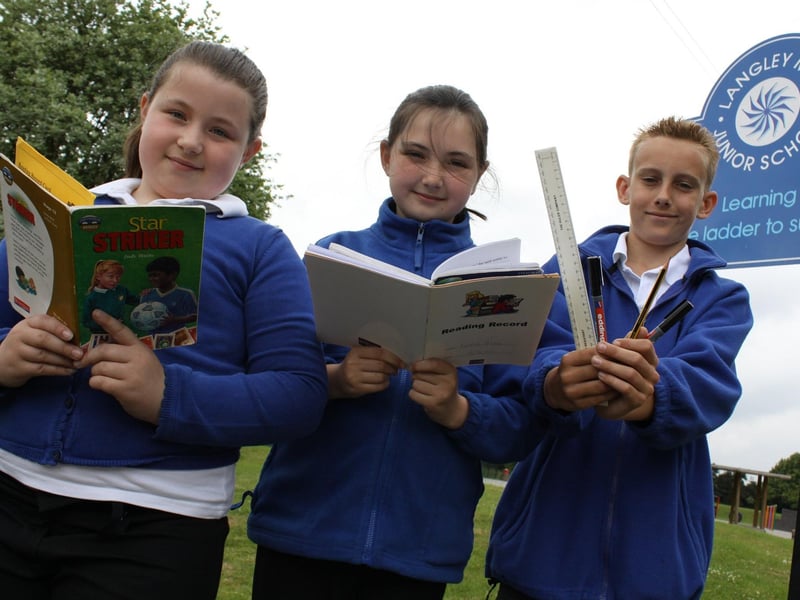
33. Langley Mill
Known as Langeleie in 1086, this fairly common name is derived from an Old English word for ‘long wood or clearing’. The mill addition came with the Industrial Revolution. Photo: Lindsay Colbourne
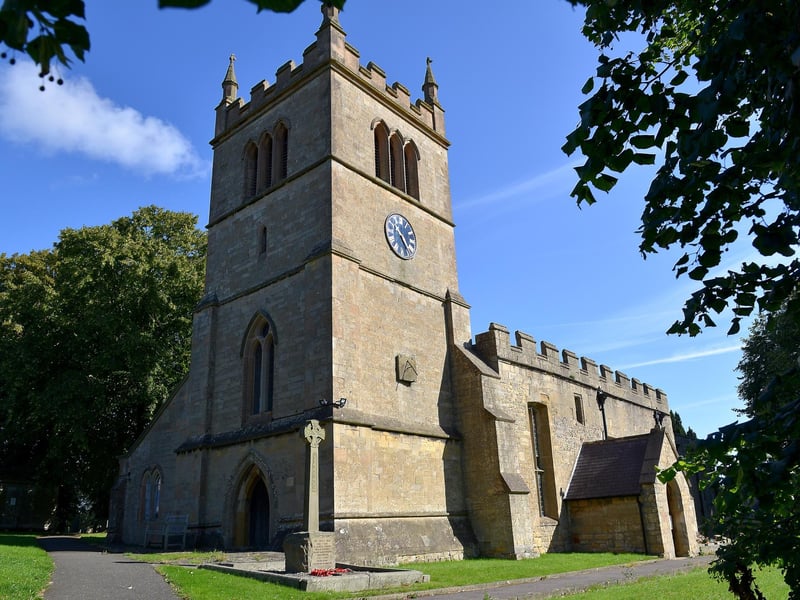
34. Scarcliffe
Known as Scardeclif in 1086, meaning: ‘Cliff or steep slope with a gap’. Photo: Rachel Atkins
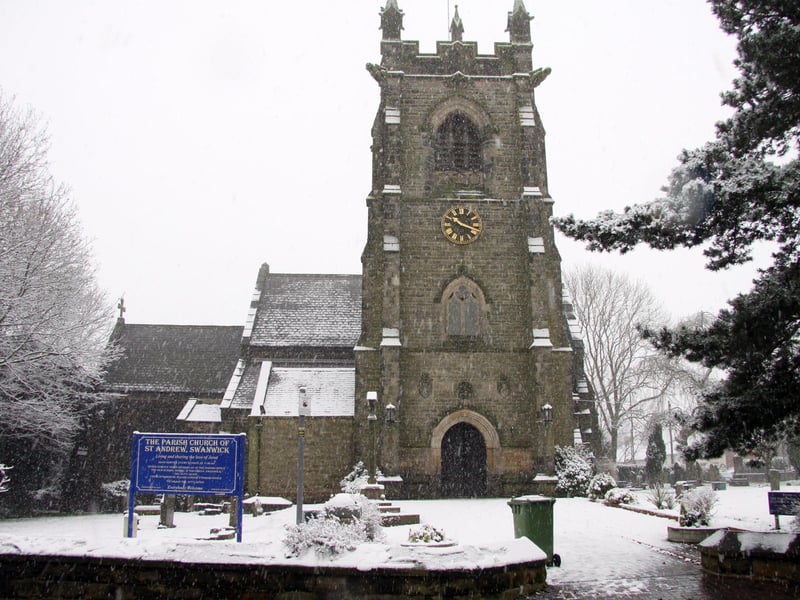
35. Swanwick
Recorded as Swanwyk in the late 13th century, meaning: ‘dairy farm of the herdsmen’. Photo: Lindsay Martin
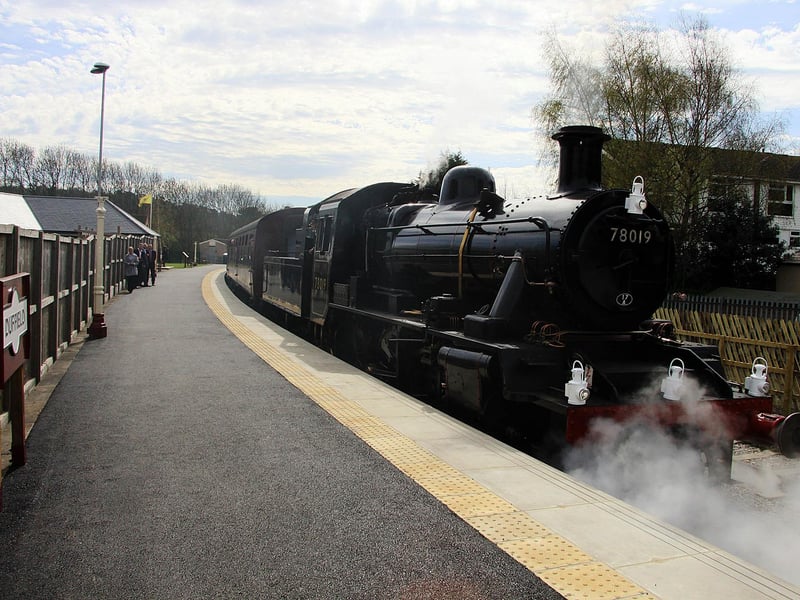
36. Duffield
Recorded as Duvelle in 1086 and Duffeld in the 12th century, meaning: ‘open land frequented by doves’. Photo: Brian Eyre