
Giving Britain better pies
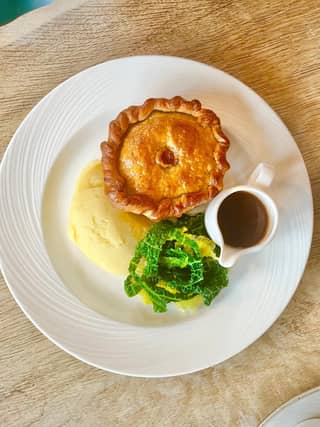

What are the essential characteristics of a truly authentic British pie? This debate has long captivated food enthusiasts across the nation. Does it need to be fully encased in pastry? Must it be served with traditional accompaniments, or is the filling itself the heart of the matter?
Pies are enjoyed in different forms all over the country. With Scotch pies handed out in Scottish football matches, minced beef pies drenched in liquor in East End pie & mash shops, and squab pies served with clotted cream in Devonshire – it seems there is a pie for everyone. But is there a common thread that can help answer, once and for all, the question: what makes a pie, a truly British pie, and where can we find it? The answer… the Great British pub.
Pubs across the country are known to honour the centuries-old pie-making methods and traditions, celebrating the heritage of British cuisine. A shining example of this dedication to tradition is the use of hot water crust pastry, a method that remains a hallmark of British pie-making. Perhaps the most famous of all pastry varieties, hot water crust pastry has been a staple since the 14th century and is widely recognised as the pastry for crafting the iconic Melton pork pie.
Robin Mitchell, Head Chef at The Langton Arms in Church Langton and an expert pie maker, is passionate about championing this classic method. He acknowledges its role not only in preserving history, but also in ensuring the structural integrity of the pie and maximising quality, encouraging other chefs to follow suit.
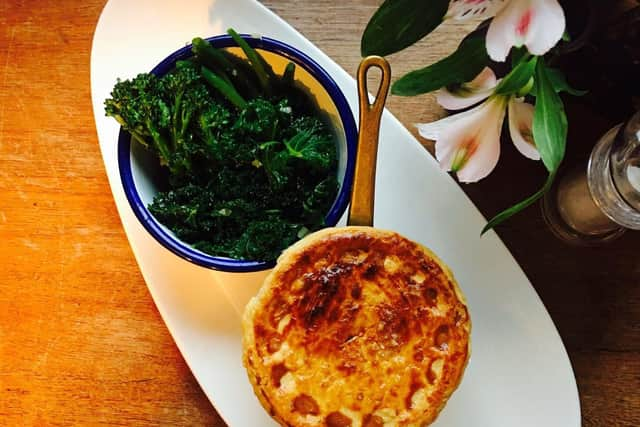
“I believe in the importance of celebrating our culinary heritage and the power of a traditional British pie,” says Mitchell. “Hot water crust pastry is an integral part of that. It's a method that ensures the perfect balance of texture and flavour, and it is something that truly elevates the entire pie experience.”
Further solidifying the argument for the Great British pie, David Peevers has been running pubs for over 20 years and currently works as Food & Beverage Director for a group of pubs across the country. He is putting an end to the ongoing debate by defining what a traditional pie truly is. “A pie must have a bottom!”, he states, adding that the distinction between a pie and a casserole is clear: “If it just has a lid of pastry, it is not a traditional pie.” Peevers' philosophy is rooted in the belief that traditional pastry, fully encasing delicious, locally sourced fillings, is the only way to deliver the classic British pie.
He explains that the focus for the food and drinks at the pubs he oversees is all about “classic cooking, confident and simple execution.” For Peevers, it's about embracing the fundamental principles of British culinary culture and ensuring that those principles are reflected in every dish served.
With British Pie Week 2025 beginning on 3rd March, Britons should take the opportunity to indulge in some of the finest pies that the nation has to offer - celebrating with the perfect pairing of ‘a pint and a pie’ at their local pub.
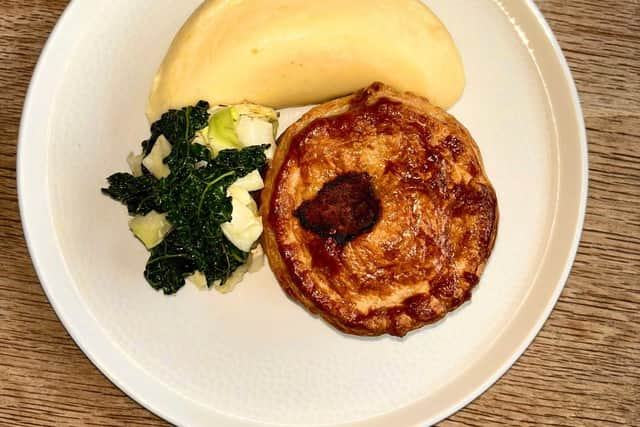
From The George and Pilgrims Inn in Glastonbury who are serving the finest real ales and local craft beers to accompany their hand-raised chicken & leek pie, to The Greenman in Fownhope, where guests can enjoy a decadent venison bourguignon pie paired with one of the region’s ciders, there is something for every pie lover.
So, what better time to gather friends, family, and colleagues to hash out the age-old debate over what makes the perfect British pie. Whether you’re a purist who believes in the classic form or someone looking to discover a new variation, British Pie Week promises to be a celebration of the rich culinary traditions that have shaped this beloved dish for generations.
Some of the UK’s best pubs offering hand-made, truly British pies:
The Broad Leys – Aylesbury, Buckinghamshire, George & Pilgrims Hotel – Glastonbury, Somerset, The Greenman – Hereford, Herefordshire, The Green Man Inn – Stanford, Bedfordshire, The Blue Bell Inn – Rothley, Leicestershire, The Bricklayers Arms – Flauden, Hertfordshire, The Bull Inn – Barton Mills, Suffolk, The Cock Inn – Muggington, Derbyshire, The Crown Inn – Old Dalby, Leicestershire, The Langton Arms – Church Langton, Leicestershire, The Lion Inn, Boreham, The Manor House Hotel – West Bexington, Dorset, The Meynell Ingram Arms – Hoar Cross, Burton-on-Trent, The Nags Head – Great Missenden, Buckinghamshire, The Rockingham Arms – Romsey, Hampshire.