
Derbyshire’s split economy: How remote work bridges rural and urban jobs - and employers no longer confined to hiring only those who live nearby
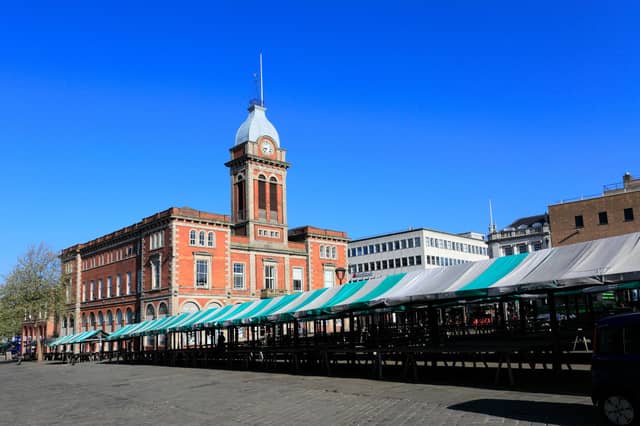

Derbyshire sits somewhere between two very different worlds of work.
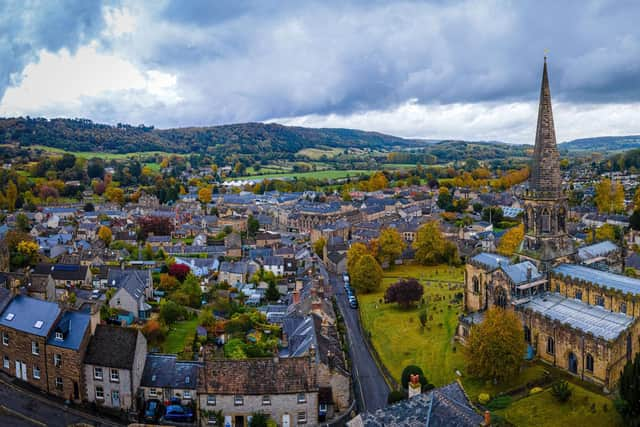
On the one hand, there are towns such as Chesterfield and Derby where many people commute to offices and workplaces. On the other hand, there are villages and rural communities where traditional local jobs are fewer and often tied to agriculture, tourism or small-scale services.
For years, this split has shaped the patchwork of opportunity across the county. But in the past few years, something significant has shifted in the wider UK labour market that matters for Derbyshire’s future of work: remote and hybrid employment has taken hold as a mainstream way of working.
Official Labour Force Survey data and analysis show that in 2025, a large share of the workforce now works outside a conventional office at least part of the time. Around 28% of working adults were engaged in hybrid working, meaning they split their time between home and an office, and about 14% worked fully remotely.
Taken together, that means over 40% of workers in the UK have part of their week that is not tied to a commute. This change did not happen overnight, but it has transformed where jobs can be done and who can access them.
For Derbyshire, which has always felt the contrast between its more urbanised pockets and its rural hinterland, that matters. Part of the reason is simple: remote work expands the notion of where a job can be done. In the past, people living in villages like Tideswell or Bakewell were limited to the jobs that existed within an hour’s drive or a practical bus ride.
For many, that effectively meant working in low-paying roles or relocating altogether. Now, remote work offers a bridge between those rural communities and the kinds of professional and technical roles that were once available mainly in cities.
And the appeal goes both ways. Employers in Derbyshire towns are no longer confined to hiring only those who live nearby. Firms that need specialist skills can now recruit from across the UK and beyond without the usual geographic constraints. For businesses looking to bring in international talent for technical or niche roles, there are solutions that make it easier to hire people abroad while staying compliant with employment law. An example of this type of option is available here, where reputable Employer of Record services help with payroll, taxes and contracts for remote international workers without necessarily needing a new legal entity abroad.

That flexibility in hiring can be a real advantage for Derbyshire companies. Too often, local employers have lamented that they cannot find people with certain digital, analytical or managerial skills because those workers are concentrated in cities like Manchester or Birmingham, or even further afield. Remote job adverts change that dynamic. A software developer living in a rural Derbyshire village could now apply to work for a firm based in Derby without worrying about daily commuting. Likewise, someone in Glasgow could take a role with a Chesterfield company without ever relocating.
This shift in how work is done has real economic implications. Commuting costs and the cost of living have been pressing issues for many workers in recent years. Travelling into a city every day can easily cost £10 or more in fuel or public transport expenses alone, and that is money that families have to find every week. Removing the daily commute can reduce pressure on household budgets and improve the quality of life for workers living outside urban hubs. Data from organisations tracking remote work trends find that British workers spend, on average, nearly two days per week working from home, more than in many other countries.
For Derbyshire residents, that can make living in a rural or semi-rural location financially viable while still accessing well-paid opportunities.
Some employers initially feared remote work would reduce productivity or weaken team cohesion. But many businesses that have adopted hybrid models report that outcomes can be positive when good practices are in place. Structured communication, clear expectations, and regular check-ins help distributed teams stay aligned even when they are not all in the same office every day. And for roles where collaboration on creative or strategic work matters most, hybrid models allow teams to come together in person when needed while still offering the flexibility employees value.
Workers themselves are clear about what they want. Surveys of employees in the UK repeatedly show that flexible arrangements rank highly in job choice criteria, especially among professionals and those in the mid to later stages of their careers. Organisations that fail to offer some degree of flexibility find themselves at a disadvantage when competing for talent. For a county like Derbyshire, where the local labour pool is spread out and where commuting to big cities is not always appealing, providing flexible work options is a way to make local firms attractive and competitive.
That is not to say that every role can be done remotely or in a hybrid way. Hospitality jobs in Bakewell, construction in Matlock Bath, and care sector roles in the city all require a physical presence. But even in sectors where the work must be on-site, there can be elements of flexibility in how teams are managed and how hours are arranged. More importantly, for jobs that can be done remotely, bringing them into rural communities helps reduce the economic gulf between towns and villages.
The benefits are not just economic. Remote work can strengthen community life in smaller towns and villages by keeping working-age adults in those areas. Instead of moving closer to cities, young people can stay near family and friends and still build careers. Local services benefit from increased footfall, shops and cafes see more business from home-based workers, and the social fabric of smaller communities becomes more sustainable.
As Derbyshire continues to grow and adapt its economy, recognising the power of remote and hybrid working to bridge rural and urban divides is essential. It does not replace the need for local investment, improved transport links, and skills training. But it does provide an immediate way for employers to tap into a wider pool of talent while offering residents more meaningful and flexible job opportunities. Embracing this shift with open arms will mean a stronger, more inclusive economy for all parts of Derbyshire.