
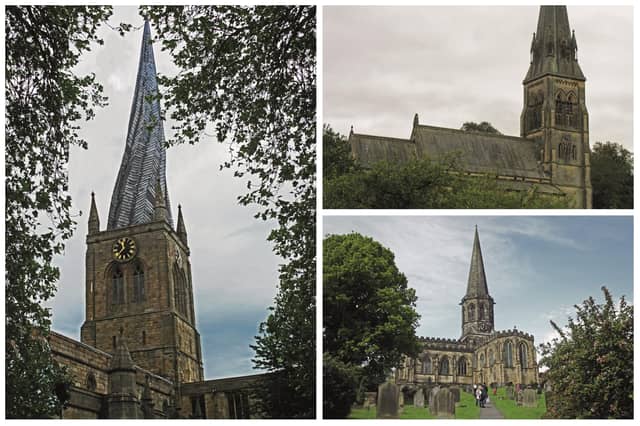

David Paul explores the history and architecture of the buildings, the tombs that are contained within their walls and the customs surrounding these centuries-old community meeting places.
His extensive research for the book ‘Churches of Derbyshire’ discovered a plethora of ancient and historically significant places of worship including St Mary and All Saints Parish Church in Chesterfield and All Saints Parish Church in Bakewell.
While it’s common knowledge that Chesterfield’s famed Crooked Spire church had its interior fittings destroyed by a serious blaze in 1961, it may come as a surprise that it wasn’t the first time that the church had caught alight. In 1861 a bolt of lightning started a fire in a beam next to the wooden roof of the chancel which was discovered by the sexton on his nightly round.
Over at Pentrich, a 500-year-old font went missing from St Matthew’s Church in the 19th century and was found in the cellar of a former churchwarden where it had been used to salt beef!
Traditions down the years have including placing a rope across the door of St Peter’s Church in Hope on a wedding day just before the newly-weds were about to leave the service. A payment in the form of a toll would be demanded of the happy couple.
And at St Michael’s Church in Hathersage, a Maiden’s Garland – a symbol of virginity and innocence – would be displayed at the funeral of an unmarried woman or girl in a tradition which extended into the early 19th century.
The Black Death sparked many health-related superstitions in Crich such as if anyone let blood in the left arm on April 11, he would not lose his eyesight for that year and if he let blood on April 3 he would be spared headaches for the remainder of the year.
David’s book even contains a ghost story involving the Rev William Blurton, vicar of Kirk Hallam from 1891 to 1911. The vicar was travelling home in his pony and trap from an evening engagement when he saw ‘a headless’ lady pass by.
‘Churches of Derbyshire’ will be on sale from August 15, 2022 and available from Amberley Publishing, priced £15.99. Go to www.amberley-books.com
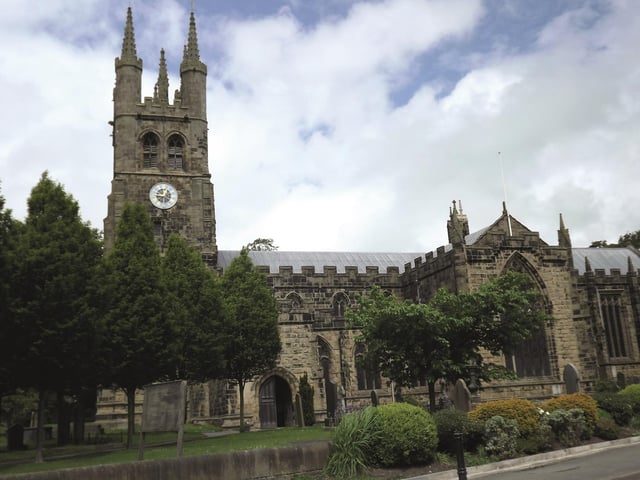
1. St John the Baptist Church, Tideswell
Renowned as the Cathedral in the Peak, the construction of this church is believed to have started around 1320 and work wasn't completed until the early 15th century. The lengthy building process could be attributed to the Black Death which ravaged skilled craftsmen. It is believed that a knight called Sir Thurstan de Bower and his wife Margaret are depicted in alabaster in a tomb in chapel in the church. Photo: David Paul
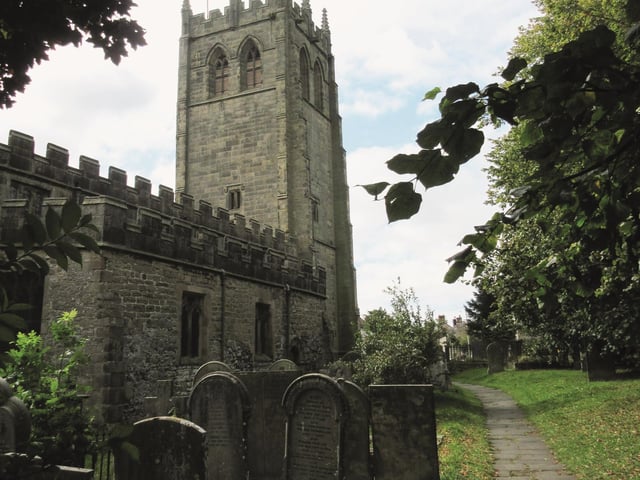
2. All Saints Parish Church, Youlgrave
The Norman architecture suggests that the church was built between 1150 and 1170. A 15th century tomb is dedicated to Thomas Cockayne who died in a duel in the 15th century. The great 19th century artist William Morris is believed to have had a hand in the creation of a painted glass window in the church. Photo: David Paul
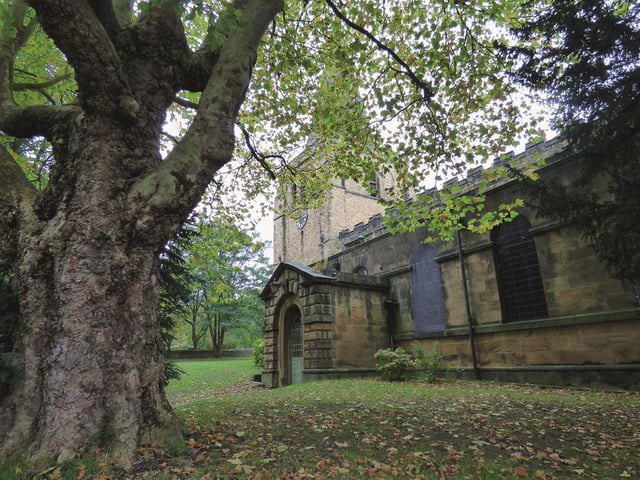
3. St Peter and St Paul's Church, Eckington
The joint name of the church is believed to have come from both saints losing their lives on the same day. Narrow arches in a Norman style on the side of the nave suggest that the church was built towards the end of the 11th century or the beginning of the 12th century. There is a well in a field behind the building where the priest used to draw water for the use of his church. Photo: David Paul
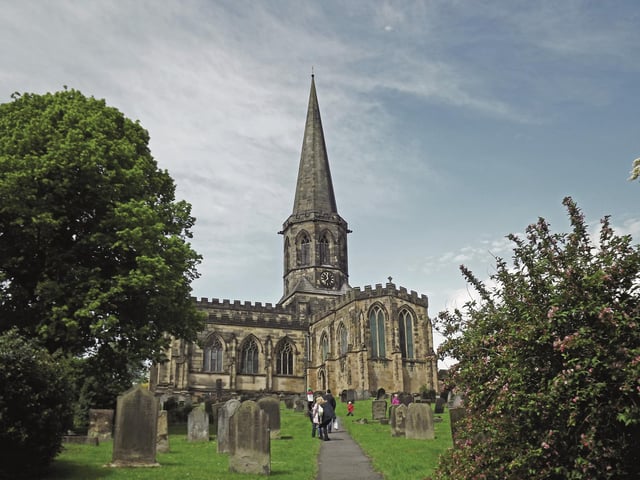
4. All Saints Church, Bakewell
William Peverel, who was the illegitimate son of William the Conqueror, commissioned this church to be built in the early part of the 12th century. The church had to be remodelled in the early part of the 19th century when an architect said that the weight of the steeple was pushing the walls outwards, putting the building at risk of collapse. The tower and spire were rebuilt and many of the Saxon and Early English building blocks were recovered and reused. The oldest tomb in the church is that of Sir Thomas Wendesley who was killed at the Battle of Shrewsbury in 1403. Photo: David Paul