
How cold is too cold to walk your dog? A vet reveals the exact ‘danger zone’ temperature
With temperatures set to plummet as low as -7°C this weekend, millions across the UK will struggle to see the mercury climb above freezing - putting the nation’s dogs at serious risk.
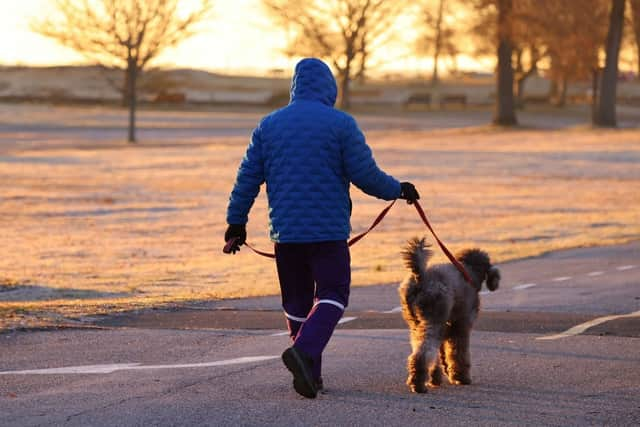

As weather maps turn icy blue ahead of an incoming cold snap, a veterinary expert has issued an urgent warning to dog owners, revealing the exact temperature where daily walks cross into the danger zone.
While a crisp winter walk can be enjoyed by both dogs and owners alike, Dr Charlotte Inness, vet and founder of VetMedi.co.uk, has urged responsible owners to check the thermometer before grabbing the lead.
“Before you grab the lead, have a look at the thermometer - it might simply be too cold to go for a walk,” warns Dr Inness. “Just because a dog has fur doesn’t mean they’re protected from freezing weather, especially smaller breeds or dogs with thin coats. Once the mercury drops into minus figures, outdoor walks quickly become hazardous for all dogs, regardless of their size or breed.”
To help owners navigate the freeze, Dr Inness breaks down the thermometer into three key thresholds:
Above 7°C (Green zone): Safe for all dogs under normal conditions.
4°C to -1°C (Caution zone): Small breeds, puppies and senior dogs require extra care. Small dogs lose body heat rapidly due to their high surface-area-to-mass ratio, while short-coated breeds lack natural insulation. Elderly dogs also struggle, as cold, damp air quickly aggravates arthritic joints.
Below -4°C (Danger zone): High risk of hypothermia and frostbite for all breeds. Outdoor exposure should be limited strictly to brief, essential toilet breaks.
“If the thermometer dips into the minus figures, keep your outings short and sweet,” says Dr Inness. “Look out for early warning signs like shivering, lifting paws off the ground, whining, or walking stiffly. If you spot any of these, turn around and head home immediately.”
Watch for the warning signs (Hypothermia Progression)
Prolonged exposure can rapidly trigger clinical hypothermia. Owners should monitor for these five progressive warning signs:
Shivering and hunched stance: The body’s initial reflex to generate warmth.
Reluctance to walk: Lifting paws continuously and trying to pull towards home.
Severe drowsiness and lethargy: Walking slowly or appearing unusually sleepy.
Weakness and slowed respiration: Shallow, reduced breathing rates.
Pale gums and unresponsiveness: A critical medical emergency.
“If your dog becomes weak, their breathing slows down, their gums turn pale, or they become unresponsive, these are severe symptoms of hypothermia, not just a dog that is a bit chilly,” warns Dr Inness. “Any of these signs warrant an immediate call to your vet.”
5 ways to protect your pooch
When temperatures plummet, it’s vital to think about the welfare of our animal companions and prepare our dogs for the cold snap, and small routine changes make the difference between a safe walk and a veterinary emergency.
From essential grooming and hazard checks to indoor enrichment, Dr Inness shares five key steps to keep your four-legged friends safe:
Rinse paws immediately after every walk: De-icing rock salt and road grit cause chemical burns on bare paw pads and pose a toxic risk of sodium poisoning if licked off. “Wash your dog’s paws, belly, and legs with lukewarm water, never boiling, as soon as you get home to clear away toxic grit, dry thoroughly between the toes, and check the webbing for embedded gravel or ice.”
Create a warm, draft-free resting zone: Cold tile floors and drafty hallways rob recovering dogs of body heat quickly after coming in from the cold. “When dogs come in from a chilly walk, make sure they have an insulated, raised bed away from drafty exterior doors, with plenty of extra blankets to help them warm back up safely,” advises Dr Inness.
Layer up thin-coated and vulnerable breeds: Low-fat and single-coated dogs such as Whippets, French Bulldogs, and Greyhounds lose body heat rapidly without an extra insulating layer. “Don’t assume fur is always enough,” says Dr Inness. “If you're putting on an extra winter layer, dogs with thin coats, young puppies, and senior pets need a well-fitted coat too, alongside high-vis gear for dark mornings.”
Shovel a toilet patch in the garden: Sub-zero frost and snow can make elderly or toy breeds (Chihuahuas, pugs, Yorkshire Terriers) refuse to relieve themselves outdoors altogether. “If it’s too freezing for a walk, clear a small patch of frost or snow in the garden right down to the bare grass so they can go to the toilet comfortably without freezing their pads on icy ground.”
Swap outdoor miles for indoor brain games: Missing a walk during sub-zero conditions won't harm your dog if you substitute physical miles with mental energy burn. “Keep them mentally stimulated inside with scent-tracking games, snuffle mats, or puzzle toys,” says Dr Inness. “Enrichment games tire a dog out just as effectively as a 30-minute walk in freezing winds.”