
Derbyshire mum backs campaign for greater awareness of rare life-limiting condition affecting her daughter
A mum is raising awareness of a rare, life-limiting form of epilepsy
A Derbyshire Mum, whose 20-year-old daughter has Dravet Syndrome, a rare, life-limiting form of epilepsy, is backing a UK-wide campaign to raise awareness of the condition to help improve diagnosis and care.
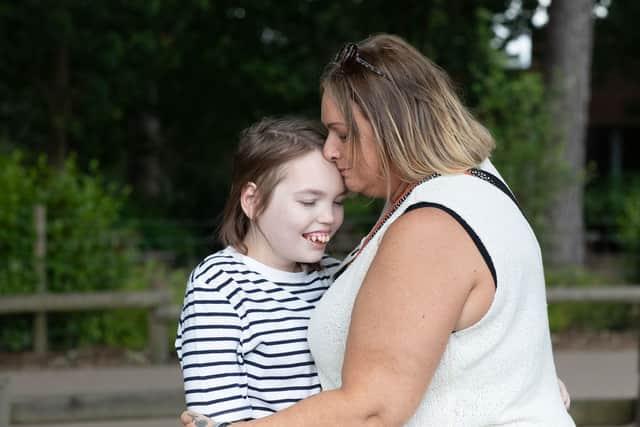

Rachel Spray, who lives in Ripley, is among those helping charity Dravet Syndrome UK to spread the word and raise vital funds by sharing their stories during June, which is Dravet Syndrome Awareness Month.
Although officially a ‘rare’ condition, occurring in around 1 in every 15,000 live births, Dravet Syndrome is one of the most common genetic epilepsies, as well as one of the most treatment resistant. In around 85% of cases, it is caused by a mutation in a gene known as SCN1A.
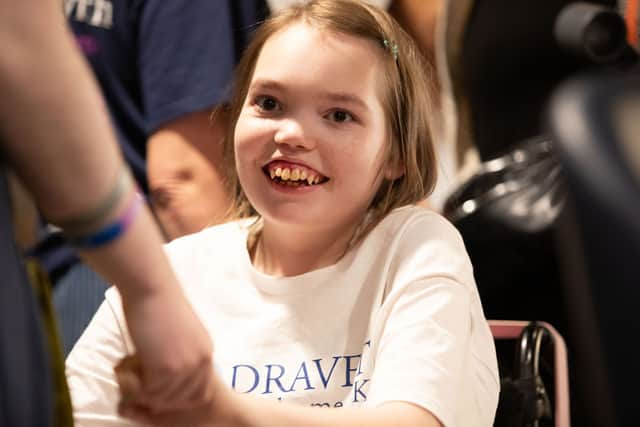
It's not uncommon for individuals to have multiple seizures day and night, in some cases hundreds. There is also a much higher risk of SUDEP (Sudden Unexpected Death in Epilepsy) compared to other epilepsies.
Epilepsy is just one part of the condition. As well as seizures, Dravet Syndrome causes learning disability and a spectrum of associated conditions, which may include autism, attention-deficit hyperactivity disorder (ADHD), challenging behaviour, and difficulties with speech, mobility, feeding and sleep.
Rachel’s daughter, Jessie, had her first seizure at ten months old and was diagnosed with Dravet Syndrome when she was aged five.
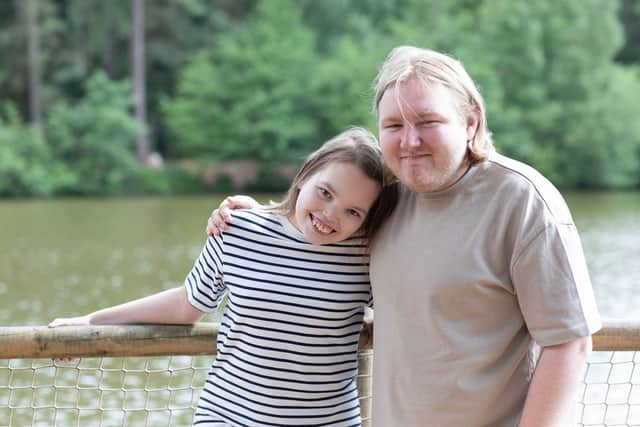
Rachel says: “When Jessie had her first seizure at 10 months, it was terrifying to see. We went to hospital but after a quick check-up we went home. Jessie’s older brother Thomas, had had a seizure at aged 18 months, so we thought it was just a febrile convulsion and nothing to worry about. We were sent home.
Two weeks later she had another seizure, but this time it wouldn’t stop and after a blue-light ride to the hospital and many drugs, she had to be intubated.
We had a very experienced consultant who first told us the words “Dravet Syndrome”. When Jessie was aged one, we had a blood test sent for genetic testing. The test came back negative for Dravet Syndrome, or so we thought. It turned out, however, that there was a mix up and her blood was never tested. So, four years later, she was tested again and was diagnosed with Dravet Syndrome.
Over the next few years, Jessie continued to have many seizures. She also developed other problems including ataxia and hypermobility. Now aged 20, she has a diagnosis of Autism and Pathological Demand Avoidance and her behaviour can be very difficult to manage. She is fully tube fed and has mobility problems.”
Because children and adults with Dravet Syndrome have such complex medical needs, often requiring emergency care, lack of awareness can make living with this devastating condition even more challenging for families. For example, some commonly used epilepsy medications, known as sodium channel blockers, can make seizures worse for those living with Dravet Syndrome.
By raising awareness of the condition, Dravet Syndrome UK hopes more people can receive an earlier diagnosis and get timely access to the treatments, therapies and support they so desperately need. The charity also wants to increase understanding about the huge impact that Dravet Syndrome has on the lives of families, as they often struggle to get enough help.
Rachel continues: “The transition to adult services has been a horrendous time. When Jessie turned 18, it felt like everyone backed off and no one was interested anymore, almost as though they were washing their hands of her.
Jessie will always need 24/7 care and I’ve had to fight long and hard to get personal assistant support for her. I was told at one point that there was no provision available because ‘Jessie wasn’t expected to be here’.
The past two years and the stress of pushing for the support I know Jessie deserves, has taken its toll. I now have my own health problems and my next ‘battle’ will be to secure some respite for Jessie, which will be hugely beneficial for both me and her.
Dravet Syndrome UK has been a lifeline. The seizure monitor provided by Dravet Syndrome UK has helped us immensely and gives me some peace of mind.
Caring for someone living with a rare condition can feel extremely isolating. It’s been wonderful to meet with other parents and carers at the charity’s Annual Family Weekend Away. If it wasn’t for the charity, I wouldn’t have met other families, going through similar experiences, who just ‘get it’. I’ve made life-long friends by joining the Dravet Syndrome UK community.”
Rachel and her family are among those helped by Dravet Syndrome UK. As the only UK charity dedicated to supporting those with Dravet Syndrome, they provide emotional, practical, and financial support for nearly 600 families with the condition. The charity provides education and information for professionals and also funds research into the condition, bringing hope for the future.
Galia Wilson, Chair of Trustees at Dravet Syndrome UK, says: “Dravet Syndrome is a rare and devastating condition which has a huge impact on those affected. We are joining with families across the UK, who are bravely sharing their stories, to raise much-needed awareness, with the aim of reaching even more people in need of our vital support.”
Early signs of Dravet Syndrome include prolonged seizures (often triggered by fever) in early infancy. If you suspect that your child has Dravet Syndrome, you can ask your GP, paediatrician, or epilepsy consultant if you have one, for a genetic test.
To find out more about Dravet Syndrome or to support families living with the condition by making a donation to Dravet Syndrome UK, please visit www.dravet.org.uk or email the charity at: [email protected]
Join the conversation during Dravet Syndrome Awareness Month in June at #DravetAwarenessMonth