
Chesterfield housebuilder’s Derbyshire developments put sustainable homes in focus
Stancliffe Homes is growing with three new residential developments across the county
A Chesterfield housebuilder’s latest Derbyshire developments have put sustainable homes in focus, as buyers, planners and construction firms place greater emphasis on energy efficiency, lower running costs and long-term design.
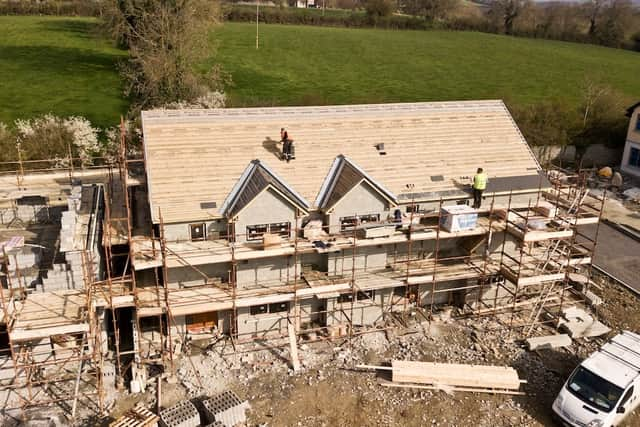

Stancliffe Homes is growing with three new residential developments across the county, including schemes in Wingerworth, Bolsover and Darley Dale. Its Kingswood Park development in Wingerworth includes 17 stone-built bungalows for the over-55s market, with air-source heat pumps, solar PV panels and electric vehicle charging points included as standard.
For Derbyshire, the schemes reflect a wider shift in how new homes are being planned and delivered. Sustainability is no longer a minor extra. Increasingly, it is becoming part of the core offer, shaping everything from heating systems and insulation to power generation, parking, materials and construction management.
Energy-efficient homes matter because household costs remain a major concern. Buyers are not only looking at the price of a property; they are also thinking about how much it will cost to heat, power and maintain. Features such as air-source heat pumps and solar panels can help reduce reliance on traditional fossil-fuel heating and support lower energy use over time.
For older residents, the focus on sustainable bungalows is particularly relevant. The over-55s market often includes people who want to downsize without compromising on comfort, quality or location. A well-designed bungalow can offer easier access, lower maintenance and a layout better suited to later-life living. If it is also energy-efficient, it can help residents manage bills more confidently.
The Wingerworth scheme also shows how traditional design and modern technology can work together. Stone-built homes can reflect local character, while renewable energy systems and EV charging points prepare properties for changing expectations. In areas such as Derbyshire, where village character and landscape sensitivity matter, this balance can be important.
New housing in Bolsover and Darley Dale also highlights the need to support different types of communities across the county. Derbyshire’s housing demand is not confined to major towns. Smaller settlements also need homes that meet changing needs, whether for downsizers, families, first-time buyers or people wanting to remain close to local networks.
However, sustainable housebuilding brings added complexity for construction teams. Developers must coordinate design, utilities, specialist installations, supply chains, regulations, warranties and customer expectations. Installing heat pumps, solar panels and EV chargers requires planning from the start, not as a last-minute addition.
That is why construction project management is central to delivery.
For housebuilders working across several sites at once, strong project visibility can help keep sustainable features, contractor workflows and handover requirements aligned.
Multi-site delivery is especially demanding. A developer building in Wingerworth, Bolsover and Darley Dale must manage different site conditions, planning requirements, subcontractors, local concerns and delivery timelines. Materials need to arrive at the right time, specialist installers need to be scheduled correctly, and quality checks must be consistent across each scheme.
Sustainability also requires attention to detail. A heat pump will only perform well if the home is properly designed, insulated and commissioned. Solar panels need correct specification and installation. EV chargers require suitable electrical capacity. If any part of the process is poorly managed, the benefits promised to buyers may not be fully realised.
Planning authorities and buyers are also likely to scrutinise environmental claims more closely. Developers need to show that sustainable features are not just marketing language, but properly integrated elements of the build. This means documentation, quality assurance and aftercare become more important.
The wider construction industry is under pressure to adapt. New regulations, changing consumer expectations and climate goals are pushing builders to improve energy performance and reduce carbon impact. Smaller and regional housebuilders may have an important role because they often understand local design preferences and can deliver schemes that feel appropriate to their setting.
There may also be benefits for local skills. Sustainable construction requires workers who understand modern heating systems, low-carbon technologies, airtightness, insulation standards and smart energy features. As more developments include these elements, demand for trained installers, electricians, engineers and site managers is likely to grow.
That could create opportunities for apprenticeships and upskilling across Derbyshire. Local colleges, employers and training providers may need to ensure that workers are ready for the shift towards greener homes. The future of housebuilding will require both traditional trades and new technical knowledge.
For buyers, the main question will be whether sustainable homes deliver practical benefits. Lower running costs, warmer rooms, better ventilation and future-proofed infrastructure can all make a difference. But clear information is needed. Residents should understand how systems such as heat pumps work, how to use them efficiently and what maintenance is required.
Community design also matters. Sustainable homes should be supported by good layouts, safe access, green space and connections to local services. A home may be energy-efficient, but residents still need to reach shops, healthcare, public transport and community facilities.
The Derbyshire developments show how housing delivery is changing. New homes are increasingly expected to be efficient, adaptable and prepared for a lower-carbon future. This shift brings opportunities, but also raises the bar for construction planning and delivery.
If schemes in Wingerworth, Bolsover and Darley Dale are delivered well, they could provide more than new addresses. They could show how regional housebuilding can combine local character with modern sustainability, supporting residents who want homes that are comfortable, efficient and ready for the years ahead.