
Campaigners push for wild camping laws in Peak District after Dartmoor victory
After the Supreme Court overruled private landowners to allow wild camping in the Dartmoor National Park this week, campaigners have vowed to keep fighting to establish similar legal rights in the Peak District and other wild places.
On Wednesday, May 21, the UK’s highest court ruled in favour of the Dartmoor National Park Authority and conservation charity the Open Spaces Society (OSS), and found that multimillionaire hedge fund manager Alexander Darwall was not entitled to block wild camping on his 4,000-acre Blachford estate.
The case rested on 19th century laws which currently only apply to areas of Dartmoor concerning the right to “open-air recreation” on common land, which the judges determined should include camping without a landowner’s permission.
As it stands, anyone wanting to pitch a tent in many parts of the Peak District National Park would run the risk of prosecution, but now those involved in the case want to challenge the status quo and open up more of the countryside for public use.
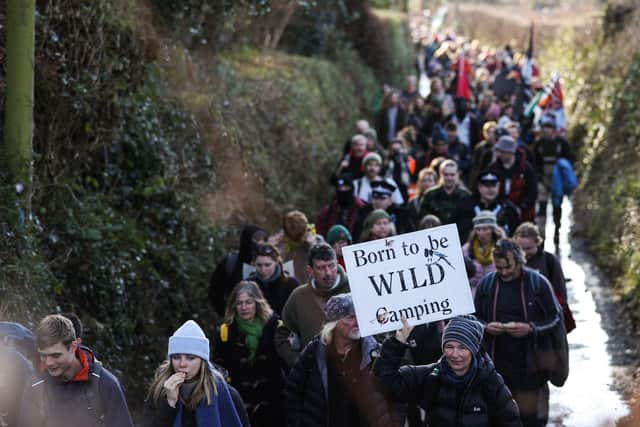

OSS general secretary Kate Ashbrook said: “If Darwall v Dartmoor is to be a truly landmark decision, the government must act to ensure a right to sleep under the stars applies to all national parks and wild country.
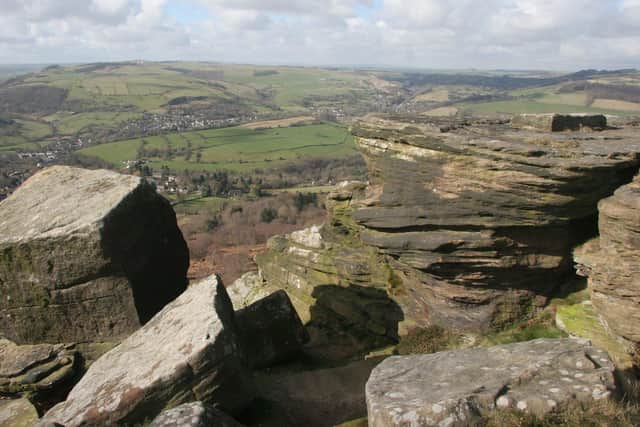
“The Peak District has very few commons, and a lot of access is instead determined by the Countryside and Rights of Way Act, where camping is excluded. If you go backpack camping in those places, it would be trespass.
“On Dartmoor, it’s been tolerated until this one landowner decided to fight it. But as a philosophical point, now that we have established there’s a right to camp on Dartmoor, why shouldn’t there be a right in other places?”
In 2023, Labour abandoned a previous pledge to legislate for a ‘right to roam’ in England – similar laws were established in Scotland in 2003 – which would give people an assumed right to walk on any area of countryside.

Any move to codify new rights for access to open land would offer an opportunity to include or exclude camping.
Labour’s reversal followed opposition from farming and lobby groups, with Tim Bonner, chief executive of the Countryside Alliance, describing it as an “attack on the countryside.”
At the time, Labour MPs working on environmental policy said they would pursue other avenues to create more access to countryside, but what that means is still to be spelled out in Government.
Kate said: “There’s no evidence that landowners are the main obstacle here but they may now misguidedly think there will be a flood of people coming on to their land and become hostile.
“People like to have confidence knowing what they can and can’t do, so it’s much better to have that enshrined in law with penalties for over-stepping the mark.
“We shall campaign with other organisations to achieve this. The government is dragging its feet on the issue of improved public access.
“There has been vague talk about a consultation but nothing solid yet. The supreme court’s decision is generously and robustly argued. We must now stimulate ministers to legislate in the same spirit across our countryside.”
She added: “If the Government is nervous about it, there’s a possibility they could test out new rights somewhere.
“The Peak District has often shown they way. The Kinder Trespass was an important moment and then there followed a lot of access agreements. Perhaps it could pioneer something again.”
In response to questions from the Derbyshire Times, a spokesperson for the Peak District National Park Authority said: “The Supreme Court's decision to uphold wild camping rights in the Dartmoor National Park does not have any immediate implications for the authority, as the legislation is different in the Peak District National Park.
“There is no provision under the Countryside and Rights of Way Act for camping on open access land. If visitors wish to wild camp in the Peak District National Park they must first obtain permission from the landowner before camping otherwise they will be committing a trespass. We do not allow wild camping on any land that we own.
“However, we do often encounter unauthorised wild camping, and the impacts of the risks this brings like litter and the wildfires we have just had in the national park.
"These risks and other matters would need to be fully considered when debating and formulating any new legislation. The authority would need to see the details of any new legislation to be able to form a view of the potential impacts of it on the Peak District National Park.”