
WASPI campaign: Union leaders urge Prime Minister to change course on pension compensation refusal
Union bosses have written to the Prime Minister accusing ministers of setting “a dangerous precedent” in failing to compensate WASPI women, one year on from a landmark Ombudsman report.
The union chiefs state that the Government’s decision to refuse a payout to 50s-born women campaigning for pension reimbursement is “eroding public trust”. They urge Keir Starmer to change course, citing that WASPI women have “worked tirelessly” throughout their lives.
Signatories on the letter to the Prime Minister include leaders of some of the biggest trade unions including UNISON’s Christina McNae, the GMB Union’s Gary Smith and CWU general secretary Dave Ward.
Their calls come exactly one year on from the publication of the Parliamentary Ombudsman’s report in March 2024.
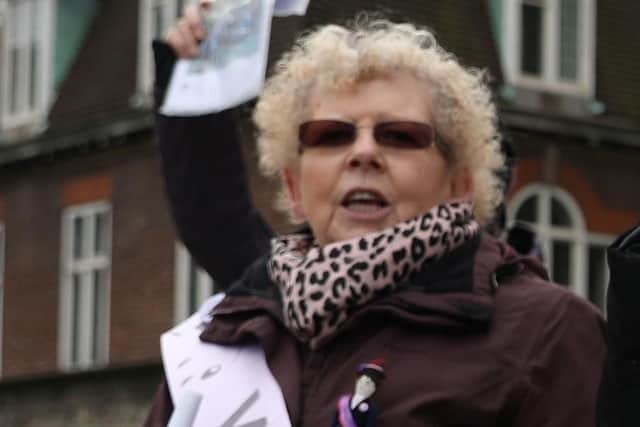

In December, Work and Pensions Secretary Liz Kendall stunned MPs in the Commons when she confirmed that there would no compensation for those affected by a Government department’s delay in communicating changes on state pension age eligibility. Despite issuing an apology to WASPI women and acknowledging that there had been maladministration, the Government chose to reject the Parliamentary Ombudsman’s recommendations to deliver a financial remedy, which would cost between £3.5bn and £10.5bn.
Campaigners have vowed to fight on for justice, while Keir Starmer has faced widespread criticism in recent days from MPs and trade unions opposed to PIP and welfare spending cuts.
Chesterfield based Angela Madden, who chairs Women Against State Pension Inequality (WASPI) said: “We are incredibly grateful for the strong support we continue to receive from across the trade union movement, and indeed in Parliament and every corner of the country.
“Nobody would have expected that one year after the publication of the Parliamentary Ombudsman’s report we would still have to be asking 1950s-born women to raise funds for a legal case to secure justice, especially under a Labour government that is meant to fight for social justice and equality.
“With the launch of a judicial review on Monday, the Government now has an opportunity to get around the table and engage meaningfully with us. If they don’t, they will have to continue to defend the indefensible, but this time in front of senior judges.”
Many of the affected women were plunged into poverty after the changes to state pension eligibility left them with little time to make alternative arrangements for retirement. Some of the hardest hit individuals received just a few months’ notice of a six-year increase to their state pension age.
Christina McAnea, General Secretary of UNISON, said: “These women lost out on their pensions through no fault of their own. Many now face a much poorer retirement. Ministers should do the right thing and grant the compensation that’s owed.”