
Under-pressure Chesterfield Royal Hospital still at highest alert level - as it calls on patients to avoid visiting A&E unless in an ‘emergency or life-threatening condition’
Chesterfield Royal Hospital is still seeing the highest level of pressure on its services.
Today (Monday, November 25) the hospital said it was at Opel level 4 – the highest level of pressure – and is incredibly busy.
A spokesperson said waiting times remain high and staff are having to prioritise the most poorly patients.
On Friday the hospital appealed to patients to avoid visiting the emergency department today unless in an ‘emergency or life-threatening condition’ and said the estimated waiting time to be seen at the emergency department was more than 11 hours.


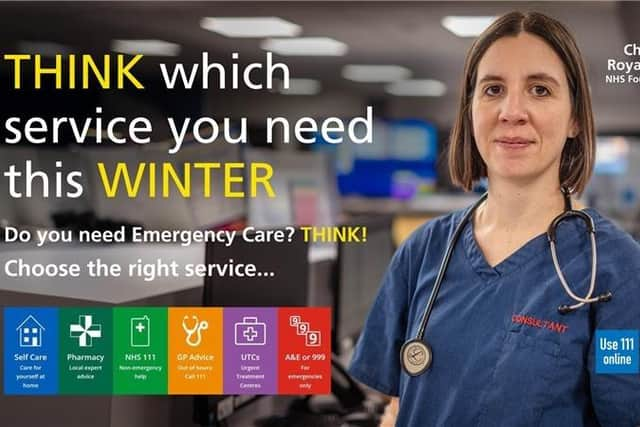
To help alleviate pressure the hospital is issuing a reminder to the community about the availability and benefits of using local walk-in centres for non-emergency situations and self-care and pharmacies.
The spokesperson added that the significant increase in patient volume on Friday was perhaps influenced by the adverse weather conditions but the hospital is continually having seasonal peaks and it is incredibly important people use the right place.
They added: “We encourage everyone to consider using urgent treatment centre (UTC) for non-emergency medical needs. This helps ensure that our A&E department can focus on the most critical cases.”
Frequently asked questions:
- What is the current situation at Chesterfield Royal Hospital? As of today, Chesterfield Royal Hospital is at OPEL level 4, which is our highest level of pressure. We are incredibly busy, and waiting times remain high. We are prioritising our most critically ill patients.
- Why is the Emergency Department (ED) at Chesterfield Royal Hospital under so much pressure? The ED is experiencing high pressure due to a combination of factors, including an increase in seasonal illnesses such as flu and respiratory infections, weather-related injuries, and a higher number of patients with chronic conditions requiring urgent care. Additionally, some patients visit the ED for non-emergency issues that could be treated at Urgent Treatment Centres (UTCs) or through self-care.
- What are Urgent Treatment Centres (UTCs) and when should I use them? Urgent Treatment Centres (UTCs) are facilities you can visit for non-emergency medical needs. They can handle minor injuries and illnesses that require immediate attention but are not life-threatening. Using UTCs helps reduce the pressure on our A&E department, allowing them to focus on the most critical cases.
- How can using Urgent Treatment Centres (UTCs) help reduce pressure on the ED? UTCs are designed to handle non-emergency medical issues such as minor injuries, infections, and illnesses. By using UTCs for these conditions, you help ensure that the ED can focus on patients with life-threatening emergencies. UTCs often have shorter waiting times and offer free parking, making them a convenient option for non-emergency care.
- What are the current waiting times at the ED and UTCs? The ED is currently experiencing high waiting times due to the increased patient volume. In contrast, UTCs typically have shorter waiting times, allowing you to receive care more quickly for non-emergency issues.
- What types of conditions should be treated at a UTC instead of the ED? Conditions that can be treated at a UTC include: Minor cuts and wounds, Sprains and strains, Minor burns and scalds, Infections (e.g., ear, throat, and urinary tract infections), Minor fractures, Skin rashes Using UTCs for these conditions helps keep the ED available for more serious emergencies.
- How can I help alleviate the pressure on the hospital? You can help by using self-care and pharmacies for non-emergency situations – then urgent care centres and your GP. This ensures that our ED department can focus on emergencies. Sharing this information with your community can also make a significant difference.
- How can I stay informed about the hospital's status and updates? We will be sharing updates through our social media channels and local press. You can also contact our helpline for the latest information. If you need more support on choosing the right care, please contact NHS111 – either online or over the phone.
- Is there free parking available at the UTCs? Yes, UTCs offer free parking, making them a convenient option for accessing non-emergency medical care without the added stress of parking fees.
- How can the community help alleviate pressure on the ED? The community can help by: Using UTCs, self-care, and pharmacies for non-emergency medical needs. Educating friends and family about the appropriate use of medical services. Following public health advice to prevent seasonal illnesses, such as getting vaccinated and practicing good hygiene. Only visiting the ED for true emergencies.
- What should I do if I'm unsure whether my condition is an emergency? If you're unsure whether your condition is an emergency, you can call NHS 111 for advice. They can help you determine the best course of action and direct you to the appropriate service.