
Sewage discharged into Chesterfield river Chesterfield for ten hours in one day
Yorkshire Water has explained the reasons behind multiple sewage discharges in one day in the Staveley area.
Newly revealed monitoring station data show that on Sunday, May 3, Yorkshire Water discharged sewage into River Doe Lea in the Staveley area for 10 hours and 30 minutes.
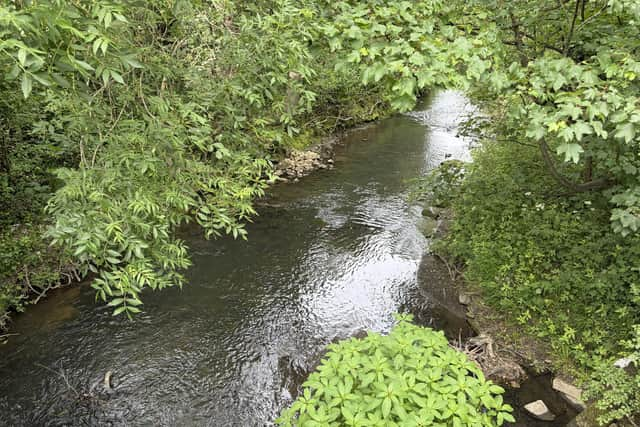

Records confirm multiple discharges throughout the day, including the longest one recorded between 7.24 am and 12.38 pm – which lasted for five hours and 14 minutes.
The reports have left local campaigners and residents concerned – with many worried about health and safety of children who are often seen playing on the river banks, or entering water, especially during the warm weather.
Local campaigner Gary Jackson Hillgrove said: “This is a public health emergency.
"Our children are literally swimming in their waste. It is disgusting, and it is dangerous.”
Campaigners have also called for warning signs to be put in place along the riverbanks – saying sewage poses a public health risk to unaware residents and children.
The data comes just three months after Yorkshire Water was hit with a massive £733,333 fine at Derby Crown Court for polluting the watercourse at Poolsbrook Country Park.
The court heard that between 2018 and 2019, the water provider polluted the Poolsbrook Country Park stream, which flows directly into River Doe Lea, on three separate occasions.
The spills killed fish including tench, pike, and roach, and turned the water toxic for hundreds of meters .
At the time, Environment Secretary Emma Reynolds slammed the behaviour as “appalling,” stating that the fine sent a message that “polluters will pay” .
Despite this, locals say the most recent discharges have raised new concerns that pollution cannot be prevented even if water companies face whopping fines.
When approached by the Derbyshire Times, Yorkshire Water said that the discharges recorded on May 3 were weather-related due to heavy rain.
The company said that the storm overflow was operating “as it should and within permit”.
Storm overflows operate as a relief valve for the combined sewer network, which carries both wastewater and rainwater, during periods of heavy or prolonged rainfall to prevent the sewer from going over capacity and backing up into homes and gardens, the company explained.
A Yorkshire Water spokesperson said: “Although in this instance the CSO was operating as it should, we understand that storm overflow discharges are not what our customers want to see and we’re working hard to reduce the frequency and duration of them.
“Yorkshire Water is making the biggest investment in its history - £8.3bn over the next five years - to reduce pollution, leakage and protect the county’s rivers and coasts.
"A key part of this programme is tackling storm overflows, with £1.5bn investment plan between 2025 and 2030, to tackle more than 450 overflows across the region.
"This includes 19 projects in the Chesterfield, Bolsover and Staveley areas that are to specifically reduce storm discharges, improve performance and water quality in the river catchment areas of Rother, Readmill Brook and Doe Lea.
“Our river health team also work closely with the Doe Lea environmental strategy group, led by Don Catchment Rivers Trust and Chesterfield Canal Trust to create a long-term strategy for improving water quality, access and biodiversity of the Doe lea watercourse.”
Asked about the lack of warning signs at the river bank, a spokesperson for Yorkshire Water said that currently River Doe Lea was not recognised as a designated Bathing Water – and therefore did not qualify for the designated poor status signage to be put in place to state that bathing is not advised in that particular location.
The water provider highlighted that river quality can be impacted by many different sources beyond storm overflow discharges, such as agriculture, highway run-off or misconnections, and it’s important that these are considered by partners and stakeholders to collectively and holistically understand where efforts need to be targeted to improve river quality.
Commenting on the recent court ruling, a spokesperson added that the latest storm overflows were completely unrelated to the pollution incidents at Pools Brook seven years ago for which Yorkshire Water was fined.
The spokesperson added: “We have since invested over £2.5 million to relocate the two sewers involved in these incidents, as well as identifying key learnings which have been embedded across our business.
"We have also looked carefully at our company processes to enhance these where necessary, so we make sure a similar incident doesn’t happen again.
“Protecting the environment is a key part of what we aim to do, so when incidents occur that fall far below our normal standards, we ensure they are thoroughly investigated and put actions in place to make sure they don’t happen again."