
Derbyshire town's historic buildings are focus of free public exhibition
Visitors to a landmark building in a Derbyshire town will discover the stories behind the front doors of the old houses that line its streets.
A new exhibition, Dronfield’s Historic Buildings, looks at the rich legacy that owes much to the town’s location on the edge of the Peak District’s lead-ore geology, the local mineral wealth of coal and iron, and the entrepreneurship of Ralph Burton and John Rotheram in the 18th century and the Lucas family in the 19th and 20th century.
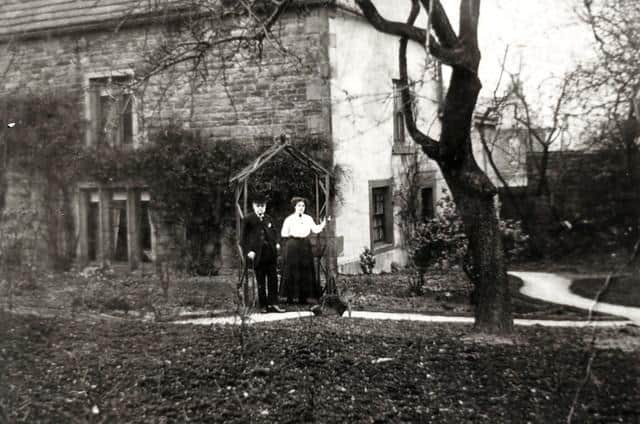

The exhibition focuses on the buildings left behind and the people who lived, worked and used them.
Dronfield Hall Barn, will host the exhibition from March 6 to 28, 2025 when it will be open from Thursday to Sunday, 9am until 3pm.
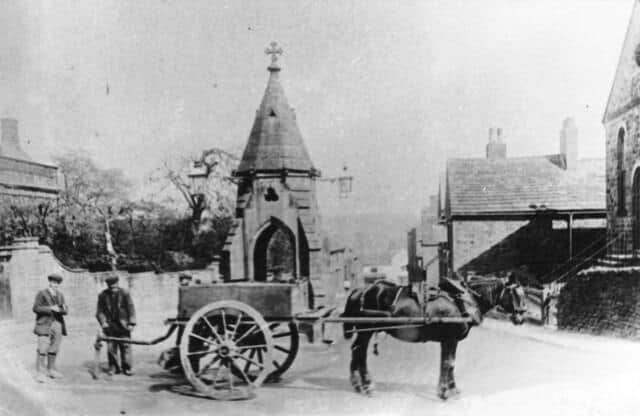
Local historian John Harvey leads the project in which volunteers for the charity Dronfield Heritage Trust (DHT) have been involved. John said: “Walk round Dronfield and you can see how each decade, and century, has changed the built environment from a small 16th century village to an expanding 20th century town. As local historians we have a fascinating time going through residents’ wills and home ownership records to forensically uncover who lived where and why.”
Cllr Steve Pickering, portfolio holder for environment and place at North East Derbyshire District Council said: “The depth of this work by the DHT Archives team demonstrates how listed buildings are a repository of cultural, economic and social history as well as a fragile resource. Research of this kind enables us to make informed decisions when managing change to Dronfield’s historic environment. It is also hoped that it will lead to a greater awareness of the town’s listed buildings, encouraging appropriate stewardship and safeguarding the associated traditional building craft skills.”
Alan Powell, who chairs the trustees of DHT, said: “It is most appropriate that this exhibition is being held in one of Dronfield’s oldest buildings. Dronfield Hall Barn dates back to 1430 and was brought back to life for the community in 2015. I am very grateful to the team of archivists who give their time to research and present fascinating findings to the public.”