
Derbyshire farmers and residents consider carbon capture underground pipeline plan across Peak District
Derbyshire farmers and landowners are being urged to engage with an on-going consultation on a proposed ground-breaking scheme to protect the environment and secure jobs by using lime and cement works in Derbyshire’s Peak District to capture, transport and store carbon dioxide.
Chartered surveyors and planning consultants Wilson Fearnall are encouraging early engagement with the consultation into Peak Cluster’s plans for a project that aims to build an underground pipeline to carry captured carbon dioxide from four cement and lime producers across sites in Derbyshire and Staffordshire out to the Irish Sea.
A spokesperson for Wilson Fearnall, which advises landowners, stated: “A major carbon capture pipeline project is progressing across parts of Derbyshire, Staffordshire, Cheshire and the Wirral, with landowners now being approached for surveys and access.
“With consultations starting in early 2026 and a Development Consent Order planned for 2027, rural specialists are warning that many farmers may be unaware of the project’s statutory powers, or their full compensation and negotiation rights.”
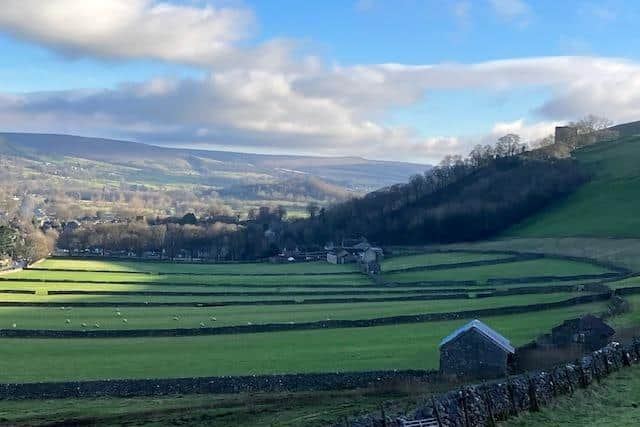

Peak Cluster, which is a collaboration between cement and lime producers in Derbyshire and Staffordshire, aims to oversee the project to capture carbon dioxide from four cement and lime producers across sites in Derbyshire and Staffordshire.
The proposed work plants in the scheme include Buxton Lime’s Tunstead lime plant, at Tunstead Quarry, off Waterswallows Rd, in Buxton, Breedon’s Hope cement plant, at Pindale Road, in the Hope Valley, near Castleton, Tarmac’s Tunstead cement plant, at Waterswallows Road, Tunstead House, in Buxton, and Holcim’s Cauldon plant between Cauldon and Waterhouses villages in Staffordshire.
If approved, the plans will see carbon dioxide transported and stored permanently beneath the East Irish Sea which Peak Cluster claims will help to secure the future of Britain’s cement and lime industries while safeguarding and creating jobs and ensuring a reliable, ‘homemade’ supply of essential materials.
This supply of essential materials would include building material for the UK’s hospitals, homes, rail and essential minerals to purify tap water and maintain healthy soil to graze animals and grow crops.
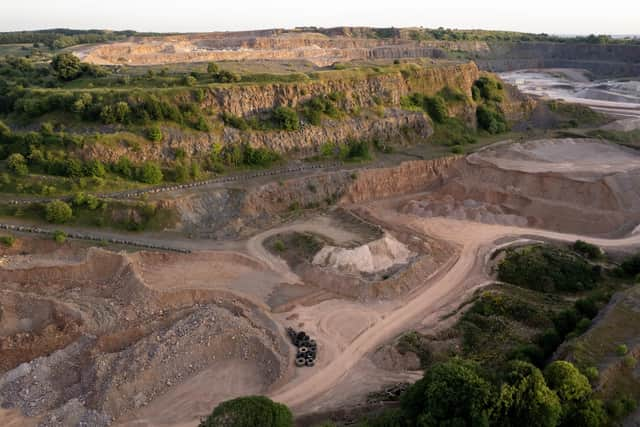
Peak Cluster says the scheme will use carbon capture technology to lock away carbon dioxide emitted at Holcim’s Cauldon plant, Tarmac’s Tunstead cement plant, Buxton Lime’s Tunstead lime plant and Breedon’s Hope plant which will help secure the future for 40per cent of the nation’s cement and lime industries.
Spirit Energy’s Morecambe Net Zero project, which plans to transform gas fields in the Irish Sea into carbon dioxide storage sites, and Peak Cluster are expected to work together to jointly safeguard and create 13,000 jobs by 2050, according to Peak Cluster, with around 1,500 jobs created across the East Midlands and North West during construction.
Peak Cluster says that cement production is responsible for 7.5per cent of global CO2 emissions but it claims its plans will prevent over three million tonnes of CO2 from entering the atmosphere each year while strengthening the industry’s resilience and opening up new opportunities for growth.
Derbyshire County Council said it was looking forward to taking part in Peak Cluster’s six-week consultation launched on January 12, and the Peak District National Park Authority also aims to continue to be actively involved in the process, saying that it hopes to balance the benefits of carbon capture against any potential impact to the national park.
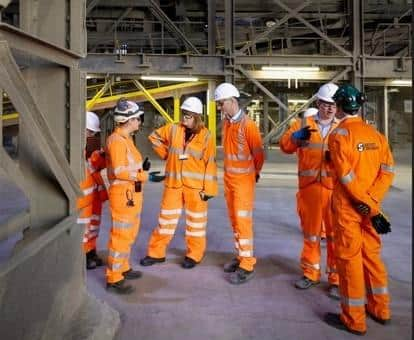
The consultation is giving organisations, landowners and residents an opportunity to address any issues at an early stage including the potential impact the pipeline may have on land titles and property sales and the exact pipeline route and the location of any Above Ground Installations.
Section 1 of the scheme includes the Breedon Hope Cement Works with a newly-built capture facility and a pipeline carrying captured CO2 to the North Feeder Above Ground Installation to the south of Chapel-en-le-Frith.
Section 2 would feature a Tarmac Tunstead Cement Works capture facility, and a Buxton Lime capture facility, located at Tarmac’s Tunstead site, to the north east of Buxton, in Derbyshire with a pipeline to the Chapel-en-le-Frith North Feeder AGI.
Section 3 includes a pipeline which runs from the Chapel-en-le-Frith North Feeder AGI to the Whaley Bridge area and onto a Central Feeder AGI, south west of Macclesfield.
Section 4 includes the Holcim Cauldon capture facility, in Staffordshire, and a pipeline which passes north of Leek and Congleton before reaching the Macclesfield Central Feeder AGI.
Section 5 will run from the Central Feeder Macclesfield AGI to an AGI in Holmes Chapel, to Section 6 from Cranage to Tarporley, with Section 7 from Tarporley to Picton, and Section 8 from Picton to Ellesmere Port.
Section 9 will run from Willaston to The Wirral before Section 10’s offshore pipeline runs from Leasowe on the north coast of the Wirral.
Peak Cluster recognises the production of cement and lime generates CO2 which it says is the single largest contributor to climate change and with 40per cent of all British cement produced in Staffordshire and Derbyshire it says the industry accounts for as much as 23per cent of the counties’ CO2 emissions.
But Peak Cluster aims to use carbon capture technology to lock away CO2 emitted at Holcim’s Cauldon plant, Tarmac’s Tunstead cement plant, Buxton Lime’s Tunstead lime plant and Breedon’s Hope plant which will be safely transported in an underground pipeline to the Morecambe Net Zero central CO2 storage facility, operated by UK energy company, Spirit Energy.
Peak Cluster Chief Executive Officer, John Egan, has said the Peak Cluster scheme will be the world’s largest cement and lime decarbonisation project it will be important for Staffordshire and Derbyshire’s economy helping to protect vital industries and skills, creating a shared clean-growth corridor, accelerating decarbonisation and driving regional prosperity.
Derbyshire local authorities expected to have an interest in the scheme include Derbyshire County Council, Derbyshire Dales District Council, High Peak Borough Council, the Peak District National Park Authority and the East Midlands Combined County Authority.
Those interested in taking part in the first of two consultations, which closes at the end of February 27, or wishing to contact the project team, can visit www.peakcluster.co.uk for details.
Once the proposals – for what Peak Cluster has described as a ‘nationally significant infrastructure project’ – are finalised, Peak Cluster aims to submit a Development Consent Order application in 2027 for Government approval.