
Derbyshire contenders mull bids to be named first UK Town of Culture
After the Government launched a search to identify the UK’s first official Town of Culture, communities across Derbyshire will have pricked up their ears at a possible £3million windfall.
Envisioned as a rootsier counterpart to the City of Culture programme which has brought year-long festivals of arts and heritage activity to Derry, Hull, Coventry and Bradford since 2009, the Town of Culture scheme was announced last month by Lisa Nandy, Secretary of State for Culture, Media and Sport.
She said: “Great culture is not confined to our largest metropolitan centres; it is everywhere, rooted in communities across the country. But for too long that talent and contribution has gone unrecognised.
“Every town has its own story and unique contribution. Our government believes it should be seen and valued, and reflected in the story we tell ourselves about ourselves as a nation.
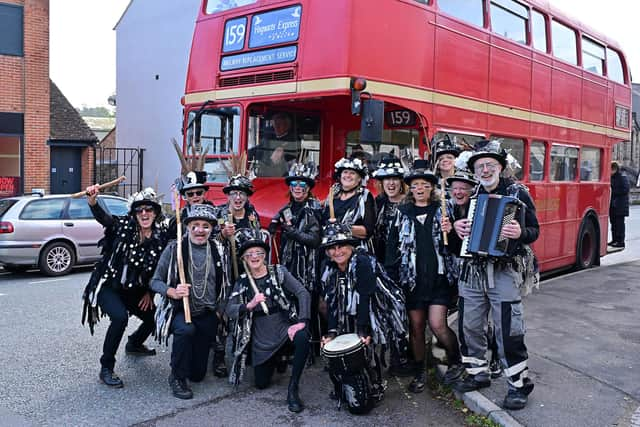

“In my town, Wigan, we are fiercely proud of the contribution we have and continue to make to the UK’s cultural life, from brass bands and Northern Soul to the Verve and Ian McKellan.”
“Everybody deserves the chance to share their pride in the place they call home and to have access to quality art, music, dance and drama wherever they live.”
With a number of smaller communities boasting famous sons and daughters, and proud histories of forging their own entertainment, the competition could give Derbyshire residents a great way to celebrate their neighbourhood and show its best face to the rest of the world.
From the tentpole names such as Chesterfield and Buxton, to the character players like Belper, Bolsover and Wirksworth, our towns have countless stories to tell, traditions like no other, and a richness and depth of culture to rival anywhere else on the map.
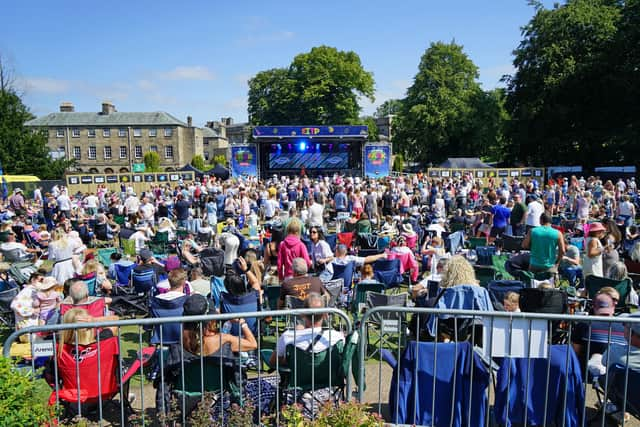
The Derbyshire Times has learned organisations in a number of localities are already in the very early stage of weighing up their chances and, while none are ready to reveal their hand just yet, reader support and public engagement may help give them the confidence they need.
Councillor Rob Reaney, the county’s cabinet member for economic development and regeneration, said: “We’d encourage community groups to take a look at this scheme to see if they would be interested in applying for their town.
“We are aware that a number of towns in Derbyshire are currently looking at the scheme and deciding whether to apply to the programme. We will look to support any bids made from towns in the county and will provide assistance where we can.”
The word ‘culture’ might first conjure thoughts of opera houses, concert halls and theatres, but applicants are encouraged to include activities encompassing a broad definition of culture and its creative industries and how that relates to the town.
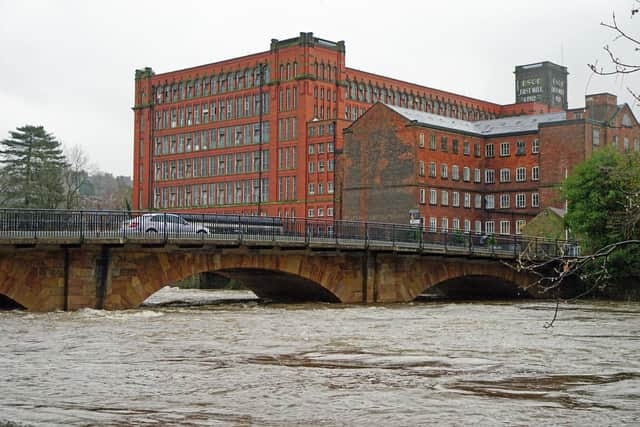
That could include visual arts, literature, music, theatre, dance, architecture, crafts, design, heritage and the historic and natural environment, museums and galleries, libraries and archives, film and broadcast media, video games, animation, visual and special effects, photography, and publishing.
There is an even broader definition too, expressed by the writer Raymond Williams – ‘culture is ordinary’ – consisting of a whole way of life, everyday experiences and social practices like homemade recipes and local dialects which add up a sense of belonging in any place.
Once bids are submitted, officials and experts convened by the Department for Culture, Media & Sport (DCMS) will lead a selection process to decide the best-presented small (population under 20,000), medium (20,000-75,000) and large towns.
Only one will be named UK Town of Culture 2028 and receive £3million, while the other two finalists will each receive £250,000, to deliver an ambitious programme of cultural activity over the course of the year.
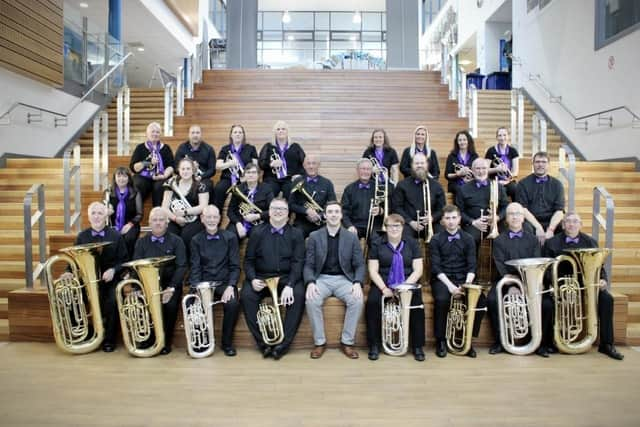
Research presented by DCMS suggests that competing for the title, irrespective of whether or not a place wins, can have a hugely positive impact on the local community – fostering a sense of local pride and strengthening collaboration among local partners.
The competition begins with a relatively simple Expression of Interest stage up to March 31, with a shortlist of contenders then selected to receive a £60,000 grant to fully develop their bid by the autumn.
Judges will review the bids and visit each town before finally announcing the winner, expected in early 2027.
Bidding towns must demonstrate their capability to successfully manage, fund, and deliver a programme that clearly meets a dozen criteria, from a compelling local story to local strengths and needs, accessibility factors and local buy-in.
For full details of the competition and bidding process, go to https://tinyurl.com/UKToC2028.