
Chesterfield daughter’s campaign to create memorial at Hardwick Hall - in memory of war veterans
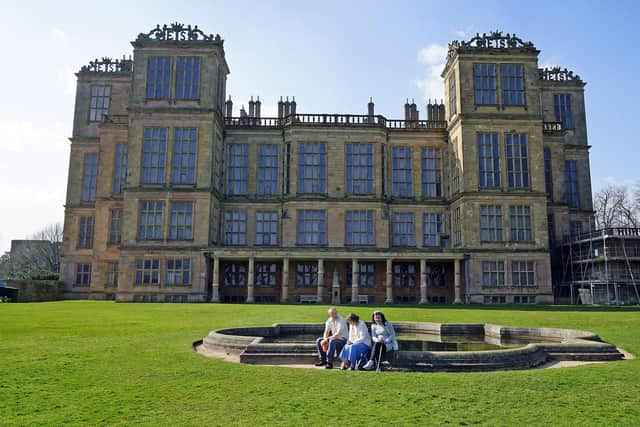
A Chesterfield woman is campaigning for a special war memorial to be created at Hardwick Hall.
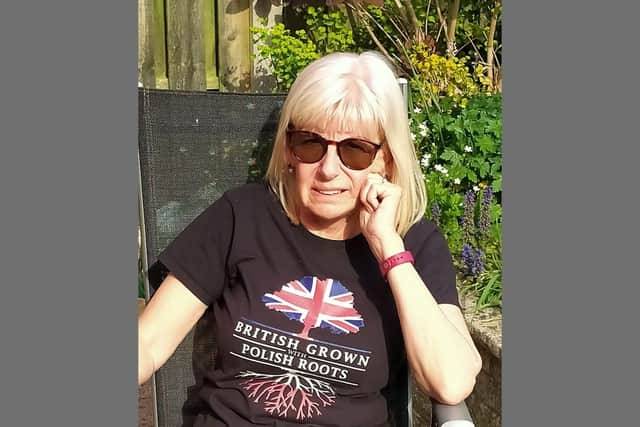
To mark the 80th anniversary of D-day on June 6, Rita Schmidt, from Chesterfield, will visit Shirebrook cemetery and place a wreath on the grave of her father Jan Schmidt, a veteran of the Free Polish Army that fought alongside the Allies.
Rita said: “D-day was a turning point in the war and indirectly it led to my father escaping from the Nazis and joining the Polish forces. The sacrifices made by him and by all those who fought should be remembered.”
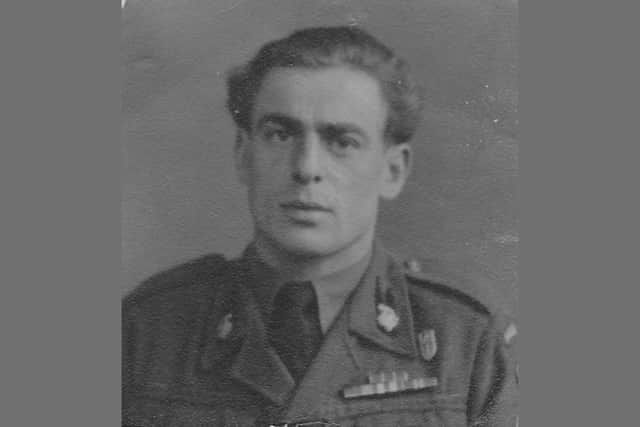
Jan, who had just turned 17 when Germany invaded Poland in September 1939, fought in Italy with the Polish 2nd Corps during the war. After the war, like many of his countrymen, he did not wish to return to Poland under Soviet rule and chose to settle in Britain.

He was sent to the Polish Resettlement Camp on the grounds of Hardwick Hall, where he met Rita’s mother. He found work at Pleasley Pit and settled in Shirebrook.
Today nothing remains of the site of the former resettlement camp and there is no mention of the Poles.
Rita, who has been trying to get the memorial set up since 2020, said: “I have been talking to the National Trust staff at Hardwick Hall about the memorial and they responded positively. But it has been dragging on for some years and I am keen to involve local people, especially those with Polish ancestry, so we can get things moving forward.”
Rita and her partner Carl Clayton have recently contacted the Polish consulate in Manchester to pitch their idea for a memorial.
In his response letter, the Consul General Michal Maurek, said: “I have read your email regarding the commemoration of the resettlement camp and the members of the Polish Resettlement Corps at Hardwick Hall with great delight. Your proposal to install a memorial plaque or information board is well-thought and timely. The story of your father, Jan Schmidt, and his service with the Polish 2nd Corps in Italy is deeply moving. It highlights the sacrifices and contributions made by Polish servicemen and their families during WWII.”
Jan Schmidt was one of many residents of western Poland who officially became German citizens after part of the country was annexed by Germany in 1939. In 1944 he received his call up papers – and it was not an offer he could refuse for to do so would have meant that he and his family would have ended up in a concentration camp. After a short training, he was given a uniform and a rifle and sent to France.
The German army thought they were sending reinforcements to fight the Allies, but the Polish soldiers saw it as a road to freedom. As soon as they could, they deserted or surrendered to the Allies. Once they were registered as POWs they declared their Polish nationality and volunteered to join the Free Polish armed forces.
Soon Jan was posted to the 2nd Warsaw Armoured Division and the Corps advanced north, eventually liberating Bologna in April 1945. General Anders had hoped that his army could liberate Poland from the south but when the war ended on May 8 they were still in Italy.
Britain and America had to concede that Poland would become a Soviet satellite state with a pro-Russian Communist government. Poles felt that they had been betrayed again, especially after the Polish Armed Forces were not allowed to take part in the 1946 London Victory Parade.
Bolsover MP Mark Fletcher said: “Upon the formation of the Polish Resettlement Corps in 1946 many members of the Polish Armed Forces, who had so valiantly supported our country during the Second World War, settled in and around Hardwick. My grandfather was part of the Polish Army during the Second World War and resettled in Scotland, so I am particularly pleased back this campaign.
“A memorial plaque would be a fitting and permanent tribute to recognise the service of those members of the Corps who played a key role in defending our country and who then went on to settle locally. A memorial would also enable those family members, many of whom still live in the local area and play an integral part in our communities, to have somewhere to go and remember their loved ones.
“The campaign has my full support and I hope progress can be made to ensure a memorial becomes a reality before too long.”
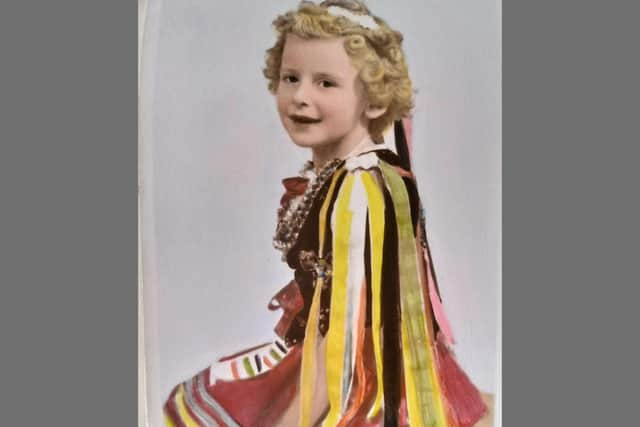
Rita added: “I would love to see a memorial erected to these brave men in May 2025. It would be a tragedy if yet again the Poles were ignored at this event”.
Hardwick Hall’s General Manager Nikki Waters said “The team at Hardwick is committed to recognising a wide range of histories and telling a full spectrum of stories about our special place. Like most organisations, many areas of our work were paused during and immediately after the Covid-19 pandemic and we are now excited to be able to pick up those conversations again and begin to take action.
“We are currently undertaking a Whole Estate Planning process at Hardwick which is designed to help us explore what is important to our visitors, neighbours and communities and how we can best serve them into the future. As part of this process, we have had many conversations with members of the community who have a personal connection with our post-war history and have been delighted by the positive engagement.
“In the meantime, a group exploring “Hardwick’s 20th Century History” has been set up, led by Property Curator Liz Waring, and this group will be working with members of the community to explore what we can do to recognise the more recent histories that Hardwick has witnessed. The immediate priority of this group will be to discuss ways in which the post-war residents of the resettlement camp can be memorialised.”