
These sites provide evidence of early settlement, ceremonial practices and the development of our society. They are also important for their cultural value and offer insights into past ways of life in Derbyshire.
The structures are also crucial for conservation and needing protection as part of the county's heritage.
We have put together a list of notable ancient heritage assets across the county which are great places to visit over the winter months.
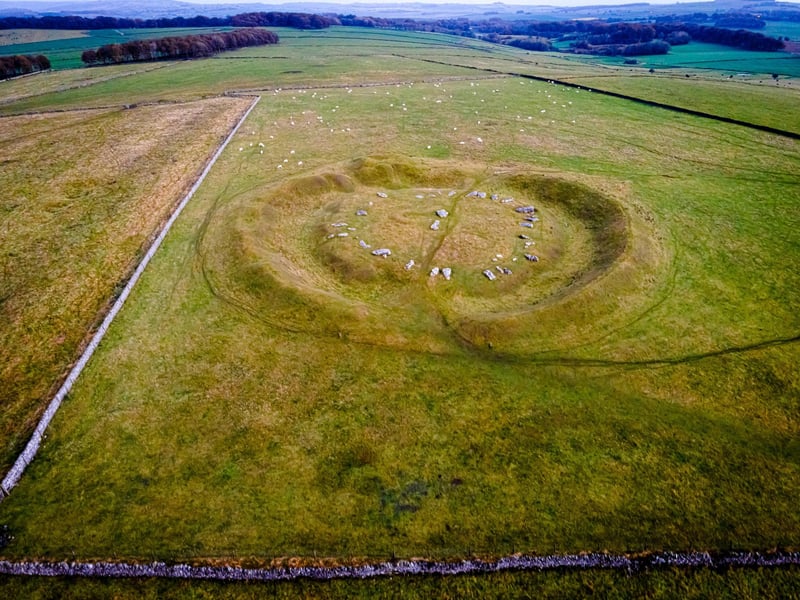
1. Arbor Low stone circle
Arbor Low Stone Circle is a Neolithic henge monument located in the Peak District, often called the "Stonehenge of the Peak District". It features a large circle of approximately 50 fallen white limestone slabs surrounding a central stone "cove" on a high moorland, with a nearby large Bronze Age burial mound called Gib Hill. The site is managed by English Heritage and requires a small entry fee paid via an honesty box for access through private land. Photo: Alexey Fedorenko Adobe
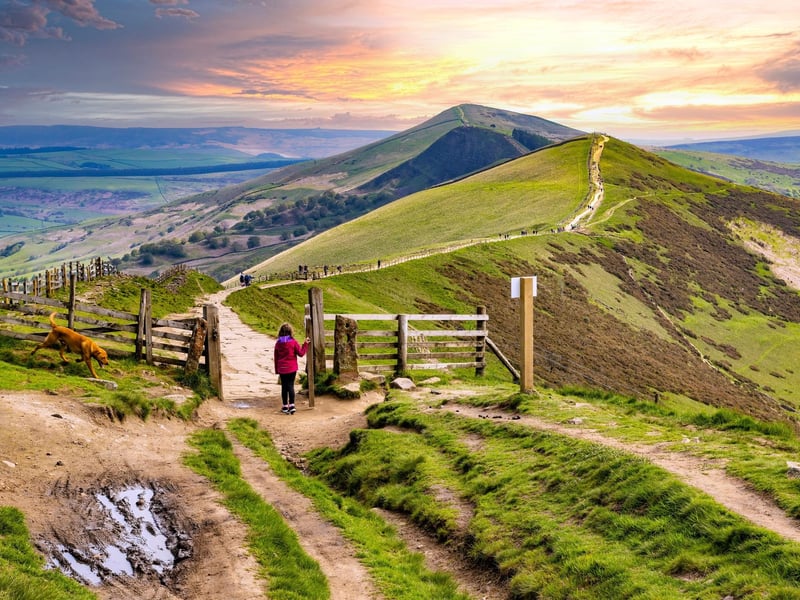
2. Mam Tor
Mam Tor, located in the Peak District, is the site of a substantial prehistoric hill fort with visible earthworks. It does not have a specific proper name other than the Mam Tor hill fort, which is a Scheduled Ancient Monument. Photo: U-JINN Photography Adobe
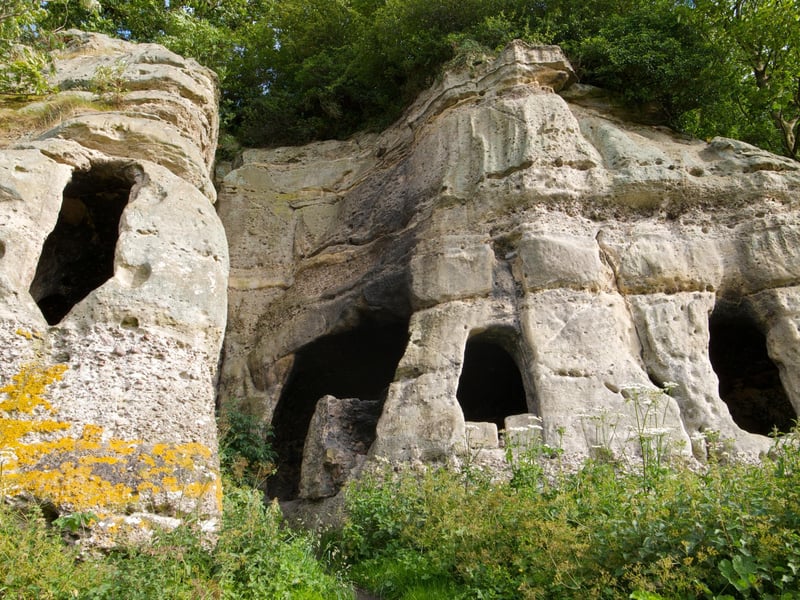
3. Anchor Church
The Anchor Church hermit's cell, a series of caves in a sandstone cliff, is located near the village of Ingleby. It is accessible to the public via public footpaths along the River Trent and is thought to be the oldest intact domestic dwelling from the Anglo-Saxon period in the UK. Photo: Brian Whittaker
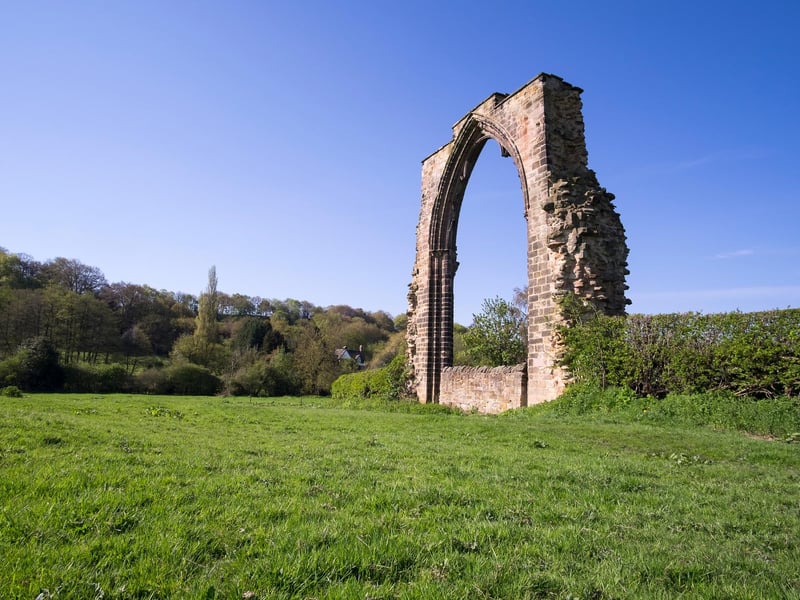
4. Dale Abbey
Dale Abbey is a ruined abbey in Derbyshire, most noted for its prominent 40-foot high east window. While much of the original structure has been dismantled for reuse in other buildings, visitors can see the remains of the great window and the very small All Saints' Church, which was once part of the abbey's infirmary. The site also includes a 12th-century hermit cave carved into the rock in a nearby woodland. Photo: SJA