
Natalie Fleet MP Column: School phone ban will help kids be kids

The number of hours that children and young people spend in front of a screen has been a hot topic for some time now.
From developmental delays in toddlers, to mental health problems in teenagers, we are constantly hearing about the dangers of excessive screen time on health, wellbeing and educational attainment.

This Labour government is unashamedly tough on smartphone use and clamping down on the dangers of the internet for our children.
Earlier this year, we issued guidance which made schools and academy trusts be phone-free during the school day.
Now we have toughened up these measures, which will take the next step towards truly phone-free schools.
This strengthened statutory guidance will mean that pupils will not have access to their phones at any point in the school day from September 2027.
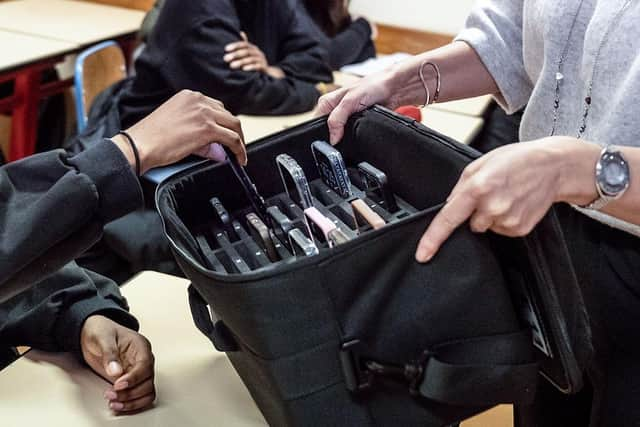
This will require schools to collect up phones at the start of the day, provide secure storage or a lockable pouch or even ban phones altogether.
This isn’t about denying children access to technology that is part of everyday lives now.
But this ban is about encouraging proper face-to-face interactions between young people, taking away unhelpful distractions and generally wanting to see our kids socialise like we used to, instead of sitting and scrolling.
There also needs to be consultation with parents about what method works for individual communities.
What a school does whose pupils mostly live a short walk away, may well need to be different from one whose pupils have a lengthy journey to school on public transport.
However the damage that too much time on smartphones causes young people has been well documented, not least in dramas such as Adolescence.
That is why I believe that banning phones during the school day and banning social media for under 16s are such important steps.
It is not that in themselves, phones or social media are bad.
But with unregulated usage there are avoidable consequences that can have lifelong effects.
This might be tough to hear, especially if like me you have given your children a smartphone at a relatively young age, but none of this is about judgement – it is about recognising the issues and addressing them.
----------------
Also on the topic of schools, I was also really pleased to hear about the Education Secretary’s new plans for Key Stage 3.
Years 7 to 9 seem to have become just a stepping stone between primary school and GCSEs, and the effect of this is that too many students are becoming disengaged from school.
The Government wants Key Stage 3 to become more exciting in order to boost participation and progression.
Schools will be told to stop narrowing their offer of subjects and starting GCSE courses earlier and earlier, instead helping students master the fundamentals such as reading for pleasure, developing confident speaking skills and numeracy.
There will also be a more engaging offer in subjects like drama, PE, music, and modern foreign languages, alongside technical and digital skills.
I really hope this will enthuse more students who might otherwise turn away from school in their early teen years, and ensure fewer children are left behind without the skills they need for life.