
Hospice care is much more than a building - the innovative Derbyshire services reshaping end-of-life care
When many people hear the word "hospice", they picture a building. Yet while hospice inpatient units can be most appropriate for people with very complex needs, hospice care is much more than this.
Hospice care is an ethos of care that can be delivered wherever someone needs it, whether that's in a hospice, a hospital, a care home or a person's own home.
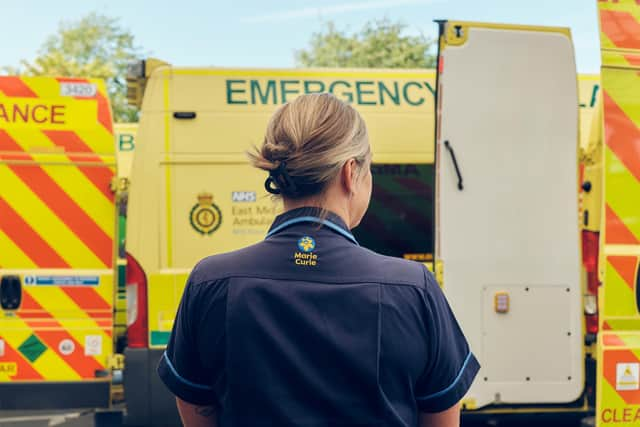

This Hospice Care Week (5 – 11 October), I want to shine a light on some innovative palliative care services and partnerships across Derbyshire making a difference for families, outside of physical hospices.
Every day across the Midlands our specialist hospice care nurses support people in their homes, help manage symptoms, provide medication and emotional support, arrange specialist equipment and ensure patients and families can access the practical and financial help they need.
We are also working increasingly with NHS partners to bring hospice care and expertise into hospitals and community settings in new and innovative ways.
The need for this specialist palliative support within these settings is clear. We know that almost one in three people currently die without the end of life care they need and that there is a high demand for palliative care support in hospitals. One in eight people who died in England and Wales in 2023 spent more than 30 days in hospital during their last three months of life, and almost half visited the emergency department once or more.
Many people nearing the end of life rely on ambulance and emergency services during periods of crisis, but most are not known to palliative care services. Sadly, this often leads to delays in receiving the correct care, which can be deeply distressing for the individual, their loved ones, and the staff who care for them.
Our recent partnership with University Hospitals of North Midlands NHS Trust places specialist palliative care nurses within emergency departments at both Royal Stoke University Hospital and County Hospital to increase palliative care nursing capacity over the next two years. This enables these hospitals to expand their specialist team and build on their care model in the emergency department. This in turn helps improve patient and family experience, supports personalised care planning and strengthens the connections between hospital, community and hospice services.
It means that more proactive, coordinated care and support can be given to some of the most vulnerable patients, while helping ensure their wishes and priorities remain at the centre of decision-making.
Another service I'm proud to be involved with is Marie Curie's Identification and Support Service, which operates across GP practices in North East Derbyshire and within the emergency department at Chesterfield Royal Hospital.
Funded by Marie Curie, this service has reached over 900 patients in their last year of life, to date, by bringing specialist palliative nursing expertise into settings where people often first come into contact with health services. It helps identify patients with palliative care needs earlier, including during emergency admissions, through the expertise of a Marie Curie Advanced Specialist Nurse working within the emergency department. It's also supporting GP practices to facilitate important conversations between patients, families and healthcare professionals about future care wishes, helping ensure care reflects what matters most to the individual.
Alongside innovative partnerships, Marie Curie continues to provide Hospice Care at Home services across Derbyshire, supporting people to receive expert care in familiar surroundings.
We know from our own research that over half of people in the UK say home is where they would prefer to be at the end of life. From my team's experience delivering palliative care across the Midlands, it's clear that being surrounded by familiar belongings, enjoying favourite foods prepared by loved ones and remaining close to family and friends can make an enormous difference during some of life's most difficult moments.
This Hospice Care Week let's acknowledge the full spectrum of hospice care needed to fix our current end of life care crisis. Care that's defined by compassionate expert support that helps people live as well as possible until the end of life, whether that's in a hospice, a hospital, a care home or at home.
This challenge extends far beyond any one hospital or community. And the solution is not simply more hospices, it's ensuring specialist hospice and palliative care expertise is available wherever people need it.