
"This is a once-in-a-generation opportunity": Derbyshire Wildlife Trust calls for public support in £1.2m rewilding project
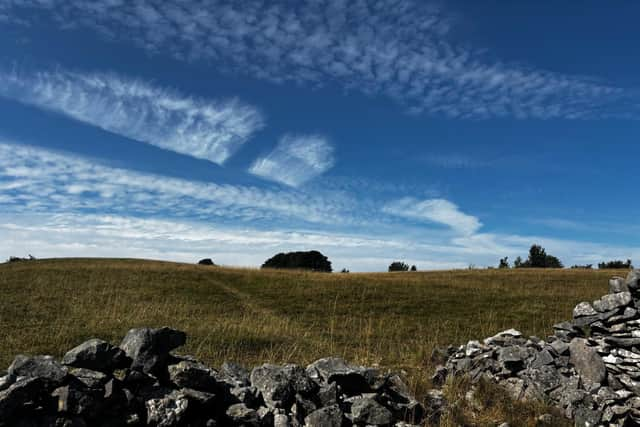
A stretch of overgrazed Derbyshire farmland could be handed back to nature under plans to create a vast new reserve which would allow wildlife to thrive – but the charity behind it is seeking urgent public support to realise that vision.
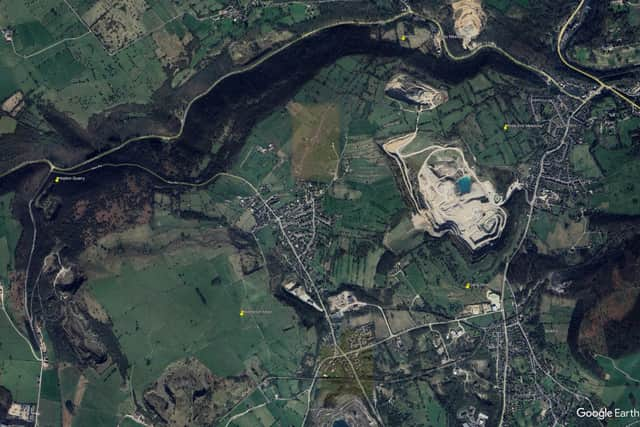
Derbyshire Wildlife Trust is racing to raise £1.2million to buy the 135-acre Middleton Moor, near Wirksworth, and begin rewilding it as a crucial junction between five neighbouring nature reserves to form a 1,000-acre corridor of nature-rich habitat open to the public.
The current owners of the moorland, who wish to remain anonymous, are keen to work with the charity in realising that vision, offering DWT a period of exclusivity to complete the purchase.
If the money cannot be secured from donors and grants by November 30, the land will be placed on the open market. Though planning restrictions mean the prospect of built development on this stretch of open countryside is unlikely, there are other possibilities which the charity say would work against nature.

Danielle Brown, DWT’s deputy director of community action and campaigns, said: “This is very rare, once-in-a-generation opportunity so when it came up we were really keen. If it does go back on the market we don’t know how it will be managed but it’s likely to remain the way it is.
“Right now it’s species-poor grassland, there’s very little life there. That’s the opposite of what we need it to be. This is our chance to help nature and create wildlife meadows, healthy grassland and woodlands full of bees, butterflies and barn owns – and a place people can really connect to nature.”
Lying between the popular High Peak Trail and the edge of the Peak District National Park, the moor would complete a ring of nature reserves along with Dunsley Meadows, Gang Mine, Rose End Meadows, Slinter Woods and Hopton Quarry, all of which offer success stories in DWT’s conservation work.
Ecologists predict that by stitching them together, wildlife and plant populations in each location would spread out across the area and other creatures who need more territory to roam will make new homes around Middleton.
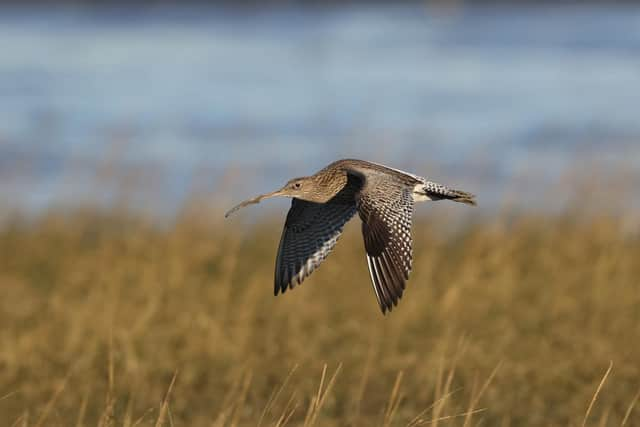
Project plans paint a picture of skylarks and lapwings circling overhead, while curlews forage across the floor in summer and bullfinches flit in and out of the woodland edges.
Danielle said: “It would be a phenomenal amount of land left to nature, and one of the biggest areas we manage. The phrase used in the 2010 government Lawton Review was ‘bigger, better and more joined up.’ That’s what nature desperately needs to thrive, when habitats are fragmented it’s no good.
“Our rewilding approach is nature-led, so in the early stages it will be more about monitoring and tracking what happens, and encouraging that, rather than actively intervening with new plants and animals.”
As evidence for that approach, DWT can point just down the road to Allestree Park, where a golf course was reclaimed in 2021 as the largest urban rewilding project in the UK.
Danielle said: “It’s already thriving with very little intervention. It shows how nature can come back when it’s left to do what it needs to do.
“Perhaps we would introduce some Exmoor ponies to Middleton, because they’re really good at eating grass and brambles, but otherwise this is a natural process on nature’s timescale.”
In the short term however, the challenge is man made. Though the land itself is costed at £856,000 the fundraising target has been set to include adaptations for improved public access and initial ecological work – surveys, restoring populations of the endangered burnt tip orchid, and preparing the ground to become a mosaic of different habitats.
At the time of writing, a few weeks into the campaign, the total pledged by 1,200-plus people via the online donation page stood around a tenth of the way to £1.2m. DWT says the reality is much more promising.
Danielle said: “We will absolutely need support from corporate sponsors or funding bodies to reach the goal, and the wheels are already in motion for that.
“But we need as much public support as possible. Every donation brings us closer to securing Middleton Moor and strengthens our ability to unlock additional support from those grant funders and corporate partners.”
The idea has obviously struck a chord with Derbyshire residents, those with links to the area and visitors who have come to love the place, with numerous donations pledged in memory of loved ones or as a marker of some special occasion in people’s lives.
As one donor, Renata Teal, put it: “This is the only opportunity for a diverse piece of nature to be in the hands of trustworthy guardians.”
Explaining his reason for donating Mark Downing said: “Let's hope we can secure this for us and future generations to enjoy.”
Another support, Nikola Matulewicz-Evans said: “Our wildlife is disappearing. It’s never coming back. We have to cherish what we have.”
If the campaign does not succeed in securing Middleton Moor, all funds will be diverted towards DWT Wilder2030 fund, a five-year plan to raise £5million for similar investments and rewilding projects.
Danielle said: “Nature needs us more than ever before. We want a wilder Derbyshire where people and wildlife can thrive. This is about more than buying land.
This is about securing a future where wildlife thrives, people reconnect with nature, and future generations inherit a landscape alive with possibility.”
To learn more about the project and how to support it, go to derbyshirewildlifetrust.org.uk/appeals/middleton-moor.