
National Trust Peak District wildlife report finds climate extremes killed 40 per cent of new trees in 2025
With the Met Office confirming last week that 2025 was the hottest year on record in the UK, the National Trust says the effects of the climate crisis are being seen on plants and wildlife across its Peak District estates.
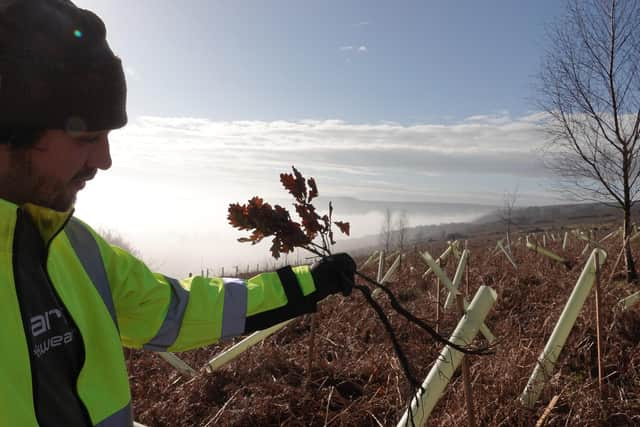
The end-of-year Weather and Wildlife Review, published on December 29, describes how drought conditions saw up to 40 per cent of newly planted trees die at National Trust properties in and around the national park over the year – far above the expected failure rate of 10-15 per cent.
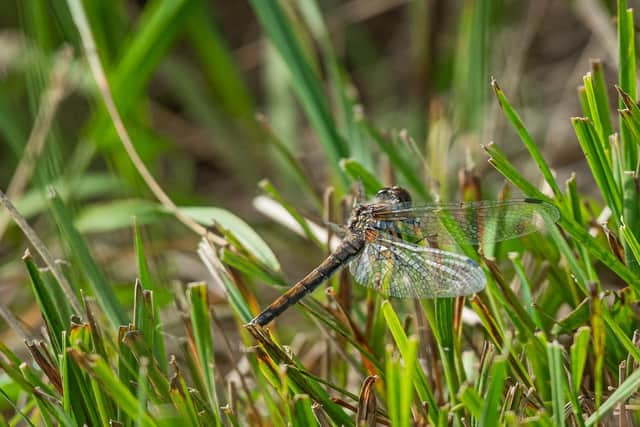
Ongoing breakdown of traditional climate patterns also caused a dramatic crash in vole populations on parched grassland – creating food scarcity for owls, hawks and other predators – the disappearance of dragonflies from dried out ponds, and unseasonal patterns such as the reporting of frogspawn in October that would usually be seen in January or February, and the arrival of snowdrops a month earlier than usual at Kedleston Hall.
Craig Best, general manager for the National Trust in the Peak District, said: “This report really demonstrates how vital our work is, tackling the effects of climate change and making our natural environment more resilient to extreme weather.

“This year alone, we’ve seen dramatic weather events seriously affect wildlife and people, across the Midlands and beyond. As we’ll likely see drought and extreme rainfall continuing in future, this report is a stark reminder that we need urgent action to mitigate and increase our resilience in a changing climate, and that’s what we’ve been doing in the Peak District.”
Bookended by storms Éowyn and Bram, 2025 delivered a sun-soaked spring and baking summer followed by autumn floods – a rollercoaster of conditions that has tested nature’s resilience like never before.
Ben McCarthy, head of nature conservation at the National Trust, said: ““Extremes in weather is nothing new, but it’s the compounded impact of several drought years in a short period - 2018, 2022 and now 2025 - which is putting untold strain on habitats and making life even more difficult for UK wildlife. These are alarm signals we cannot ignore, and we need to work faster, smarter and in a more joined up way.”
The impact on trees was particularly pronounced with oaks – already threatened by acute decline – and the relatively low rainfall in the Midlands makes them particularly vulnerable to dry years.
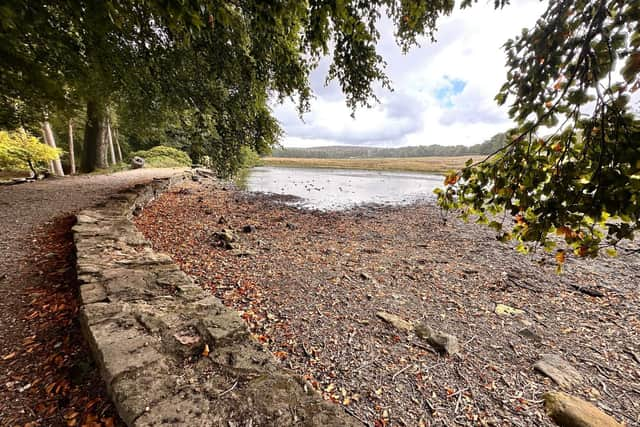
Heat stress due to the drought caused early leaf loss for mature trees at at Calke Abbey, along with limb drop and reduced canopy colour.
The drought also meant rangers at Hardwick Hall in Derbyshire had to aerate the Great Pond in July when low water levels combined with rapid cold stormwater saw oxygen levels crash resulting in around 150 fish deaths.
While there is much cause for concern, the report does highlight the delicately balanced nature of the national park by noting how some species actually benefitted from the dry summer, after a wetter one in 2024.
Surveys recorded the highest butterfly numbers in nearly 20 years with marbled-white and small heath butterflies particularly abundant and sightings of the elusive purple emperor increasing.
This was seen at Longshaw, where rangers reported “great” butterfly numbers overall, supporting wider ecosystem health.
The mild, wet autumn triggered a second flush for a range of plants, such as the summer flowering harebell was spotted blooming in parts of the White Peak in November.
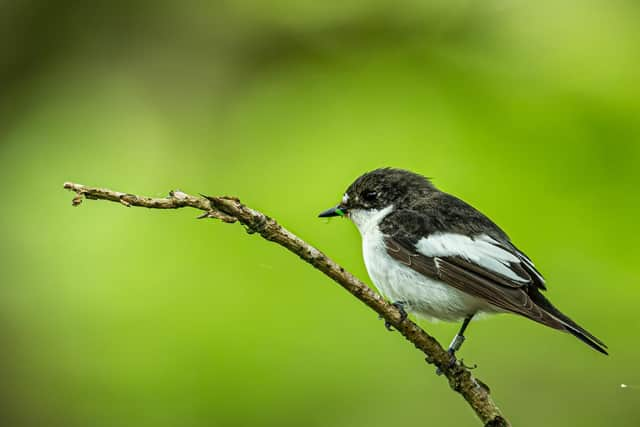
Longshaw also continued to provide a stronghold for the pied flycatcher, a summer migrant on the UK amber list of conservation concern. Thanks to a dedicated nest box project, 308 chicks fledged last year—the most successful season in a decade.
Ongoing research is now investigating how microhabitat conditions and food availability influence nesting success, aiming to secure the future of this declining species across the UK.
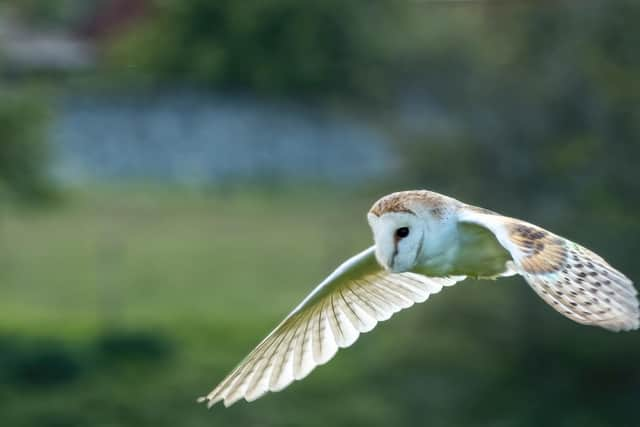
Though barn owls and tawny owls struggled to support more than single-chick nests in 2025, there is some hope that reduced predator numbers will allow the vole population to rebound and thereby sustain a better year for other species in 2026.
National Trust have taken many reactive steps to all these events, but they continue to be pro-active in addressing the changing climate too.
Craig said: “In good condition, the moorlands of the Peak District can offer part of the solution, by capturing carbon and reducing the risk of flooding, so it’s vital that we continue to do as much restoration as quickly as we can.
“We’ve already planted over 900k plugs of Sphagnum Moss in the last two years across the Peak District to help improve peat health, and to act as ‘speed-bumps’ to slow the flow of water across the landscape, which reduces the flood risk to local towns currently at high risk. The sphagnum moss will also help create the right conditions for peat to actively form, allowing the site to better lock up carbon and provide unique habitats for wildlife.”
“Planting sphagnum moss, along with other peatland restoration techniques, also helps to improve water quality by filtering out the peat sediment before it reaches reservoirs."
“This restored, and more resilient, wetter habitat will reduce the risk of spring-summer fires and create the right conditions for moorland plants like heather, bilberry, and cotton grass to grow. This will help to protect the landscape for future generations, at the same time as creating homes for wildlife like dragonflies, golden plover, frogs, and lizards.
He added: “We are also aiming to plant one million trees in the Peak District, storing even more carbon. The droughts this year have unfortunately made it harder for newly planted young trees to establish, so we will adapt our methods and double down our efforts to increase the chances of future success.”
To read the report in full, go to nationaltrust.org.uk/our-cause/nature-climate/weather-and-wildlife-review.