
As previously reported, the county was officially declared to be in drought conditions on Monday, August 10, before the arrival of the fifth heatwave in an alarming summer of broken records.
While the main water supplier to most of Derbyshire has yet to issue a formal hosepipe ban, it could be on the horizon as Severn Trent works through its staged response to falling levels in storage sites and water courses.
Doug Clark, water resources planning lead for Severn Trent, said: “This is exactly the sort of thing that we plan for. We have a drought plan that we follow and, actually, the planning for drought and the planning for summer starts right back in the springtime.
“What we're seeing at the moment is reservoir levels and river levels are lower than would be normal. That's because we've had exceptional shortage of rainfall in July, only around about five per cent of typical rainfall for the region.”
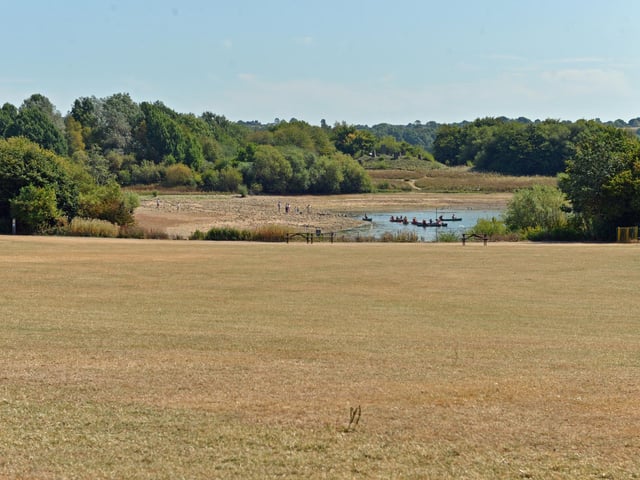
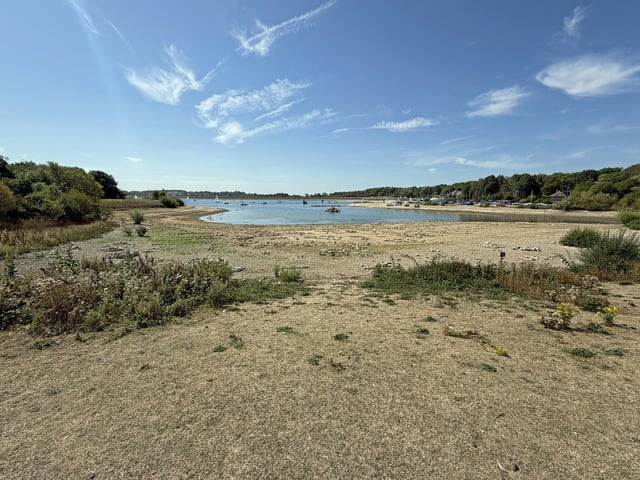
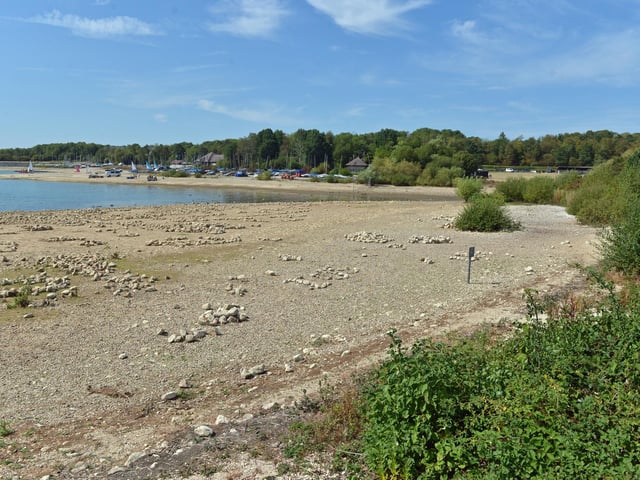
Speaking on the shores of Carsington Water, near Wirksworth, the changing climate is measured in the growing distance of dry earth between the water and the boat sheds and shoreline paths usually enjoyed by visitors and leisure users.
Doug said: “We're seeing reservoir levels drop. We're around about 65 per cent on average, a little bit more here, about 80 per cent at Carsington, but overall 65 per cent on average, and river levels are especially low.”
“That's exactly why we need to be super careful with how we're using water, but always would ask people in the home what they can do as well to help.”
There are wider conversations to be had about the management of Britain’s water. Opened in 1992, and planned prior to privatisation, Carsington Water remains the last major reservoir built in England.
Next month Parliament is set to debate the idea of a referendum on renationalising the industry, after a public petition gained more than 100,000 signatures.
In the immediate future however, drought response demands a different form of national effort.
Doug said: “We all need to play our part. We're doing what we can fixing 60,000 leaks a year, but we would ask people in their homes to look at where they can save, too.
“Our top tips for saving water around the home: first, leave the lawn. Those go crispy and brown but we know they bounce back. A hose can use more water in an hour than a family uses in several days.
“If you've got a paddling pool, we don't want to say ‘no’ and be killjoys, but please keep it as a paddling pool. Keep it shallow. Have a bucket of water by the side so you can wash your feet so you can use it for longer. And, at the end, use that water on your garden.
“Inside the home, look out for those leaking loos, those push buttons that can get stuck. That can use hundreds of litres of water a day - double the sort of typical use that you'd expect from a home.
“Also, when it's so hot like this, stay hydrated. A jug of cold water in the fridge means you don't have to run the tap each time you need a cold drink. If everybody did that, think how much we could save.”
As well as managing supply resources, Severn Trent is alert to people looking to cool off in its waters.
There have been a number of drowning deaths across the country this summer, peaking around its hotter days, so the message is clear.
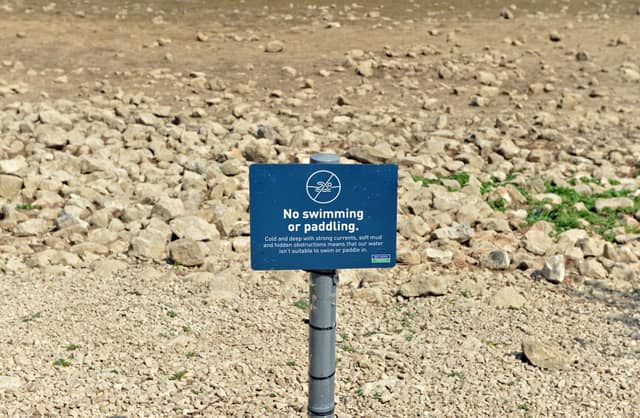
Doug said: “Reservoirs like this can look really inviting, but actually there are lots and lots of hidden dangers. There's really strong currents. We have pumps and pipe work in there. So, we do ask that people come and enjoy the sites, but please don't go into the water.
“If you happen to find yourself in the water by accident and and and you're getting into trouble, the advice from Swim England is to lie back, get your head back in the water and float to live. Stay calm and and relaxed and gather your thoughts. For people on the bank side, call 999. Don't go in to recover them.”