
Derbyshire MP calls for action to tackle pharmaceutical pollution across the Peak District – with Derbyshire river ranked as second worst for contamination in the UK
A Derbyshire MP has called on the Government to tackle the issue of pharmaceutical pollution in the Peak District National Park - with one river being ranked as second worst for this particular type of contamination across the UK.
John Whitby, MP for the Derbyshire Dales, has raised concerns regarding the widespread contamination of rivers across the Peak District National Park.
A research project from the University of York and the Rivers Trust detected pharmaceutical pollution in a number of Peak District waterways - with antidepressants, anticonvulsants, antimicrobials, anti-inflammatory substances, lipid regulators and diabetes treatments being identified.
Although researchers found that levels of pharmaceutical pollution were generally lower in national parks than in rivers in UK cities, it did identify alarming exceptions. Some rivers in the Peak District were found to have concentrations of pharmaceuticals higher than seen in major cities such as London.
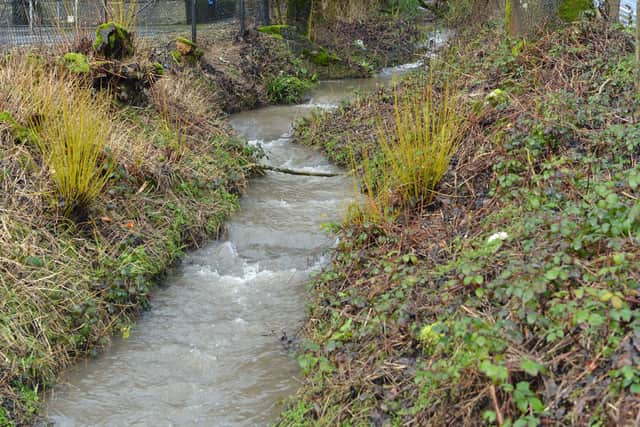

Professor Alistair Boxall, from the University of York’s Department of Environment and Geography, previously told the Derbyshire Times that Tideswell Brook was the second worst river for pharmaceutical pollution that they had studied across the entirety of the UK.
He said: “We focused on the Derwent and the Wye. For the Derwent, we had sites near Chatsworth House and at Froggatt Edge, and for the Wye, we had sites at Miller’s Dale down to Bakewell and Ashford in the Water.
“There’s a small river that comes down from Tideswell to Miller’s Dale. That was the most polluted of all the rivers we looked at across all the national parks. We’ve done a lot of this sampling in cities, and when we rank it against all of the sites that we’ve monitored, it comes in at number two in the entire country. It was beaten by one site in Glasgow, which is downstream of a sewage treatment works that has about 300,000 people feeding into it.”
John expressed his concerns over the levels of pollution detected in Tideswell Brook and other Peak District rivers. He said: “Everyone should be able to swim and paddle in our rivers without having to worry about the threat of antimicrobial diseases.
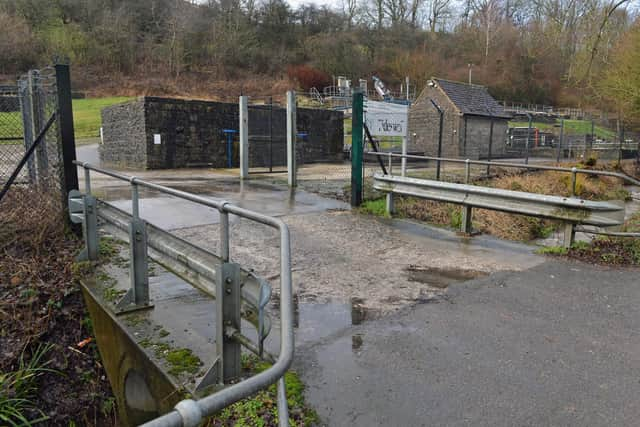
“It is therefore shocking that Tideswell Brook has concentrations of chemicals such as clarithromycin that are 2.8 times higher than annual average environmental standards. This is leaving local residents at risk of antimicrobial infections and threatening the unique ecosystems that exist in our rivers.
“This also makes Tideswell Brook the second most pharmaceutically polluted river in the UK, despite it being a Site of Special Scientific Interest and in the Peak District National Park.”
John added that he would continue to push for the Government to mirror the European Union’s requirements around sewage treatment works to help reduce the levels of micropollutants found in waterways across the Peak District.
He said: “Last week, I raised this issue in Parliament, and the plan to address ‘forever chemicals’ launched by the Government is an important step forward, which will help reduce the presence of these harmful chemicals in our rivers.
“However, I want to see the Government go further and ensure that the sewage treatment works are required to treat micropollutants, as will be required in the European Union.
“As part of my work on the Environmental Audit Committee, we are also continuing our investigation into ‘forever chemicals’, and I will continue to urge the Government to go further and faster to ensure that we keep our rivers and streams healthy and safe.”
The study found pharmaceuticals in river water at 52 out of 54 locations monitored across all ten national parks in England. Some pharmaceuticals were found at levels of concern for the health of freshwater organisms and for humans who come into contact with the water, highlighting the need for tighter regulation and greater monitoring of some of England’s most cherished landscapes.
The study found that in the Peak District, Exmoor, Lake District, South Downs and the New Forest, some pharmaceuticals were at levels that were potentially harmful to fish, invertebrates and algae.
Concentrations of antibiotics at locations in the Peak District and on Exmoor were higher enough to potentially cause antimicrobial resistance in bacteria. This is concerning for the health of humans enjoying the aquatic spaces for wild swimming, canoeing and other water sports.
National Parks often have ‘low flow’ receiving water bodies. This means there is less water to dilute the pollutants coming from wastewater treatment plants. As a result, the concentration of pharmaceuticals can be higher compared to rivers with a larger volume of water.
Wastewater treatment plants in national parks often have older or less sophisticated treatment technologies which are far less effective at removing pharmaceuticals from wastewater. Due to constraints on infrastructure, these places are also more likely to have septic tanks and other more basic water storage and treatment facilities.
Importantly, national parks also see huge seasonal fluctuations in population numbers, with high volumes of tourists visiting during peak seasons. This puts a strain on wastewater treatment infrastructure, potentially leading to increased levels of pharmaceutical discharge.