
"45 years of our lives, and it counts for nothing": conservationists heartbroken as Derbyshire butterfly reserve 'destroyed'
Volunteers who spent 15 years establishing Derbyshire’s first butterfly reserve say their efforts have been laid to waste after the landowner carried out earthworks on the site without prior consultation.
The small team from Butterfly Conservation East Midlands, who have guided the ecological development of Hoe Grange Quarry near Brassington since the reserve’s official creation in 2011, now fear they will never see it return to the levels of life and biodiversity recorded last year.
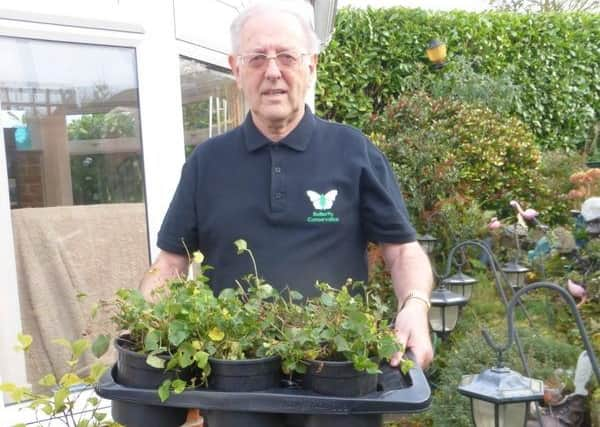
Ken Orpe, his wife Pat and reserve warden Ray Walker, all in their 80s, were shut out of the site for several months by owner Longcliffe Quarries Limited, citing safety risks from unstable cliff faces, and on their return the trio were devastated to find giant soil bunds installed around the site without consultation.
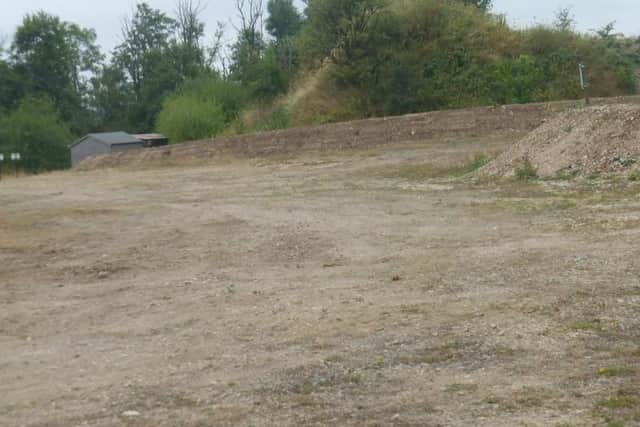
Ken said: “The habitat has been destroyed. The quarry floor has been trashed by heavy machinery so there are no flowers left. They’ve dumped huge amounts of soil on the old, smaller limestone bunds killing the flowers there too.
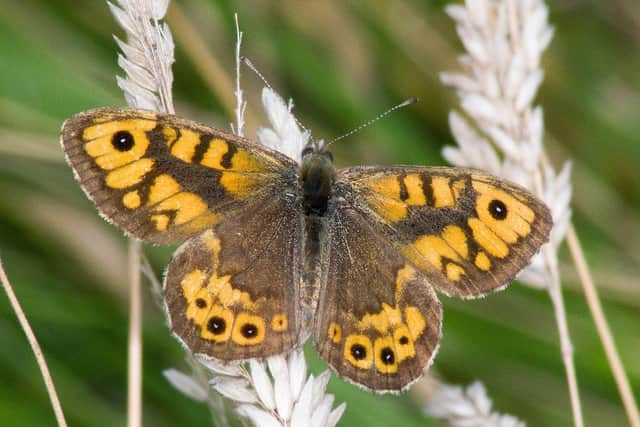

“That means eggs, caterpillars and pupa have been buried or flattened too. If you put a ton of soil on top of a caterpillar it’s dead, and once that life cycle is interrupted, it’s all over.”
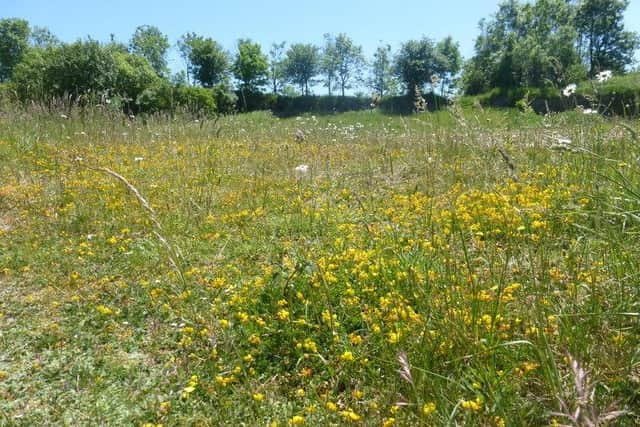
He added: "The site was last quarried in the 1980s, so really it took 35 years to reach the point it was at. If it ever recovers, it’s not going to be in my lifetime. I won’t ever see it again the way it used to be.
“It’s like the rug has been pulled from under us. A combined 45 years of our lives trying to create the perfect habitat for insects, and butterflies in particular, and it doesn’t count for anything.”
Early inspections by the trio suggest a dramatic fall in butterfly numbers already, with Ray counting around 20 on one visit where he would normally expect to see hundreds.
A full account of the damage will take some time, and may be impossible because the new bunds have cut off routes around the quarry which have always been used to collect transect survey data.
Longcliffe has stressed that only 4.5 per cent of the five-hectare site is is affected, but Ken says the bunds have cut off those routes which must be followed to ensure the data is comparable from one week to the next, and blocked access to some areas altogether.
Managing director Paul Boustead said: “Regards consultation on how we undertook the safety work – we employed a third-party geotechnical expert to advise and guide us on how we manage this risk – neither Butterfly Conservation nor Derbyshire Wildlife Trust (DWT) have the knowledge relevant to quarry regulations, hence they were not consulted on how we planned to protect people at the site.
“On balance, we could have asked for their respective inputs. However, we felt the urgency required to act and the experience and knowledge we have in constructing safety bunds, the use of limited natural materials suited to the site, the relatively small intervention required, and the sensitivity with which we undertook the work to minimise impact – that we would undertake it as an expedient way in order to be able to reopen the site as soon as possible.”
It highlights a fracturing relationship between Longcliffe and its charity partners, Butterfly Conservation and the trust, which manages the reserve. Both organisations were informed of the plan, rather than involved in it.
Ken said: “The relationship had always been good, but there was a change in the management of the company in the last few years and they seem to have no interest in the wildlife. There’s been a complete breakdown in communication.
Dave Savage, head of landscape recovery north for DWT, added: "The damage to Hoe Grange Quarry is deeply disappointing. For more than ten years we've managed the site on behalf of Longcliffe Quarries, helping to make it one of Derbyshire's most important wildlife sites for wildflowers, butterflies and other pollinators.
"While we fully recognise that health and safety must come first, we're disappointed the work was carried out without consulting us. We believe a solution could have been found that kept people safe while avoiding such significant impacts on this important habitat."
Longcliffe decided to act following a rockfall from one of the quarry faces during heavy January rains, prompting concerns about similar hazards in other parts of the site.
The bunds are intended as a barrier to block any more falling rocks, and to stop people coming to close to the cliff faces.
Opinions differ over whether that was the only remedy available, and the materials used. Soil was trucked in from company stores at nearby Brassington Moor quarry.
Previous bunds in some parts of the site were around three feet high and had been layered with limestone native to the quarry, to create an environment in which wildflowers could take seed and encourage other species.
Now estimated at around six-feet high in some places, Longcliffe says the scale is proportionate to the risk.
Ken said: “The rockfall was at the far end of the quarry, it wasn’t an area of interest to us and there were already rocks on the floor. They could just have put a little fence around it.
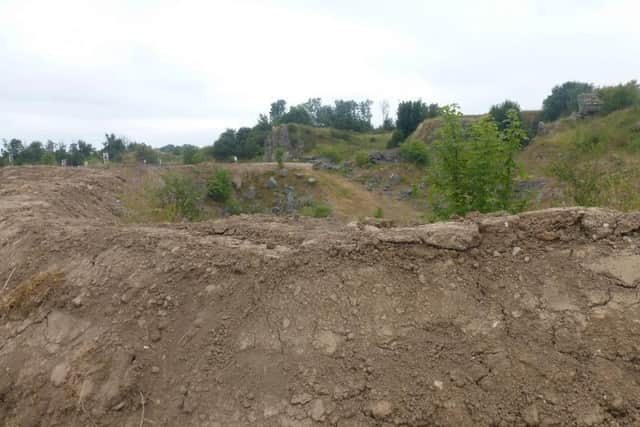
“Even now they could maybe remove some of the soil and open the site up again, but as far as the quarry floor goes it’s completely knackered, and it will soon be covered by rose bay willowherb, an invasive species we had secured funding from Severn Trent Water to eradicate.”
In response to questions from the Derbyshire Times, Paul said: “We recognise the considerable amount of conservation and monitoring work that has taken place on this site. Longcliffe is committed to protecting and developing biodiversity across all its sites – working and former operational quarries. However, safety will always come first.
“Other options for making the site safe were considered. However, this was the best option for minimising disturbance and ensuring the site could be kept open into the future.
“We are confident that the area in which the bunds have been installed will quickly re-establish itself as a habitat. The material used is a low nutrient sub-soil which is the most suitable for encouraging wildflower development. Indeed, in our visits during July, flowers were already spotted growing in area areas traversed by the vehicles that installed the bunds.”
He added: “Butterfly Conservation East Midlands was informed that this work had to be done; and that the site had to be closed whilst the work took place and until the area was again deemed safe. The site is now available for them to again host guided visits.
“Flora and fauna continue to thrive there and there is huge potential for it to continue to be a haven for biodiversity and in particular butterflies.”
Asked whether the company shared Ken’s verdict that the situation could be terminal for the reserve, Paul said: “We are disappointed that Butterfly Conservation have taken this view. On a visit only days ago to the site, the abundance of butterflies, dragonflies, swallows, other wild birds and other invertebrates was fantastic to observe.
“The site remains an absolute haven for wildlife and whilst we accept that visitors will not have the access in close proximity to the rock faces, they once had, we believe that survey transects can still take place on the site to allow numbers of species to be recorded.
“We welcome further discussion with BC on how they could continue their transects in a modified route to adhere to the new safety measures. However, if they feel that they can no longer record at the site, we respect their decision.
“This would be very disappointing given the time that BC, DWT and Longcliffe have committed to the site and the significant investment that has been put into running Butterfly Open Days and into general management of the site since Longcliffe initiated the idea of the site becoming a wildlife haven.”