
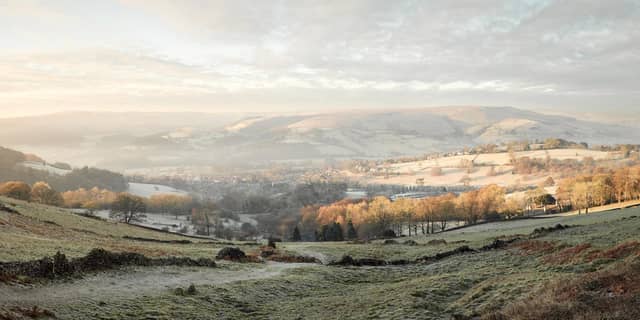


Eyam can in fact trace its proud roots all the way back to the ancient Britons, with evidence of early occupation by our forefathers on the surrounding moors having been discovered.
It resulted in a settlement being founded on the present site by Anglo-Saxons, before lead was mined in the area by the Romans.
Eyam was first recorded in the Domesday Book as Aium, with historians believing the name probably refers to a noun for a patch of cultivable land amidst the moors or else to the settlement's situation between two brooks.
The delightful village however is best known as ‘The Plague Village’ after the extaordinary self-sacrifice by its brave residents during the Great Plague of 1665/66.
The heroic locals famously quarantined themselves for 14 months during a 1665–1666 bubonic plague outbreak to prevent the disease spreading further. That self-sacrifice, resulting in the death of 260 residents or a third of the village, helped save surrounding areas from the disease.
Subsequent scientific research has also shown than some of the village population were genetically unique and naturally immune to the deadly disease.
Eyam recovered in the following the years and had 954 people living in the parish, according to the 1841 census. Locals were chiefly employed in agriculture, lead mining, and cotton and silk weaving.
By the 1881 Census, most men either worked as lead miners or in the manufacture of boots and shoes, a trade that only ended in the 1960s.
Nowadays Eyam is known as a beautiful and charming village – and one that attracts thousands of toursits each year keen to soak up the stunning surrounding views and relaxing vibes.
There’s plenty to do around the village, whether it’s peaceful walks in the surrounding hills, a quiet cuppa in a local cafe, browsing through second hands books or heading to some points of historic significance.
Here we look at just a few things that make Eyam such a brilliant place.
If you love to visit Eyam, we’d love to hear from you. Tell us why you find the village so special via our social media channels.
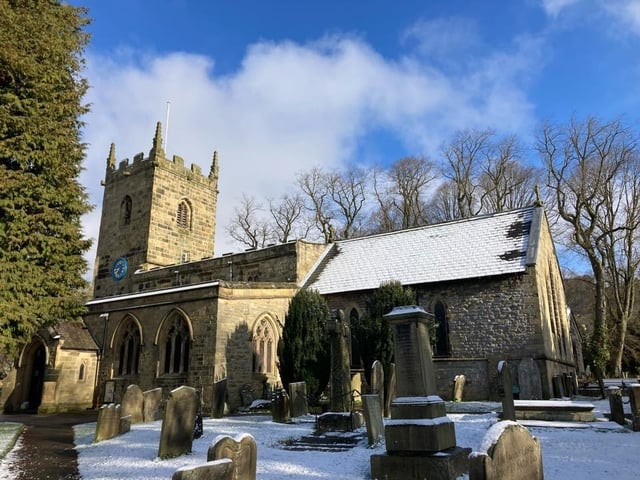
1. Eyam Parish Church
The historic church is medieval with elements from the 13th and 15th centuries. It was partially rebuilt in 1619 and restored in 1868–70 by George Edmund Street. Rich in history and the perfect place for some quiet reflection. Photo: Eyam Parish Church
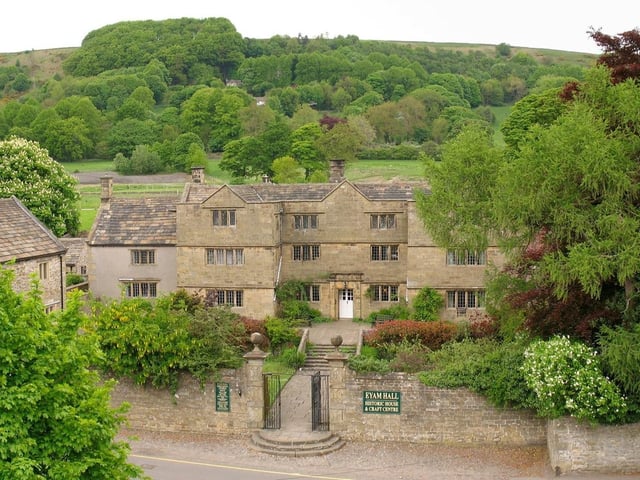
2. Eyam Hall
Eyam Hall was built in 1672, just six years after the plague in Eyam and is a wonderfully unspoilt example of a small Jacobean Manor House. The historic manor house has an adjacent courtyard, restaurant and shops. Photo: Eyam Hall
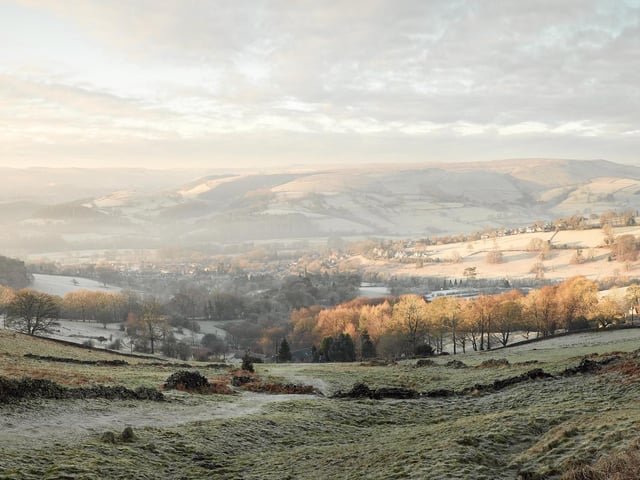
3. Eyam Moor and Shatton Moor
Eyam Moor and Shatton Moor above Hathersage on a frost morning at dawn. It is charming views such as this that continue to attract thousands of tourist each year to the village. Eyam offers wonderful scenic walks to get back to nature. Photo: stock.adobe.com
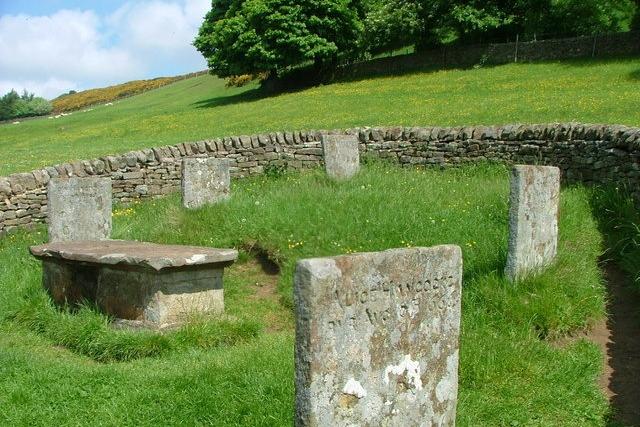
4. Riley Graves
Riley Graveyard is a 17th-century grade II listed cemetery. It contains the graves of members of the Hancock family. ho died during the outbreak of the plague that spread from London to the village in 1666. Elizabeth Hancock buried her husband and six children, carrying the remains up the hill to the burial site. Photo: Sam and Ned/Wiki