
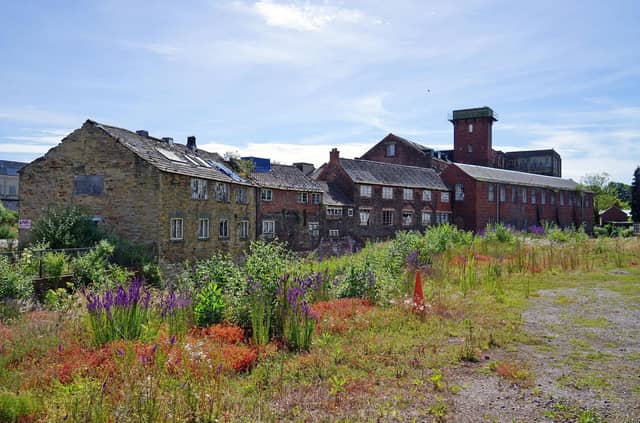

Historic England’s Heritage at Risk Register offers an annual snapshot of the critical health of England’s most valued historic places, and highlights those most at risk of being lost as a result of neglect, decay or inappropriate development.
There are 470 sites across the East Midlands that feature in the Register because of concerns about their condition – with Historic England granting £800,870 to repair 15 East Midlands sites during 2023/2024.
Historic England’s Regional Director for the Midlands, Louise Brennan, said: “Heritage is so important to the East Midlands. From our historic cities and towns, to treasured parish churches, windmills, and archaeological monuments, the heritage and character of these places plays a vital role in our society and boosts the regional economy.
“This year, we have seen partners and communities come together to help save the historic buildings and places that need it the most. Together, we can save our places and find new ways to enjoy the heritage that people value so much.”
A photo gallery of key heritage sites across Chesterfield, Derbyshire and the Peak District that are at risk can be found below.
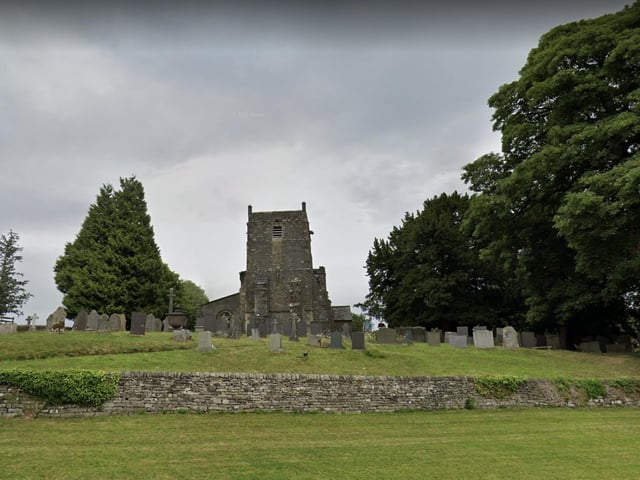
13. Church of St Mary, Tissington
Historic England said that this medieval church is well-maintained, but there is localised damp staining (including to the tympanum over the south door), and the nave roof covering is at the end of its economic life. The shallow pitched slopes will require re-slating soon - subject to potential fundraising avenues. Photo: Google
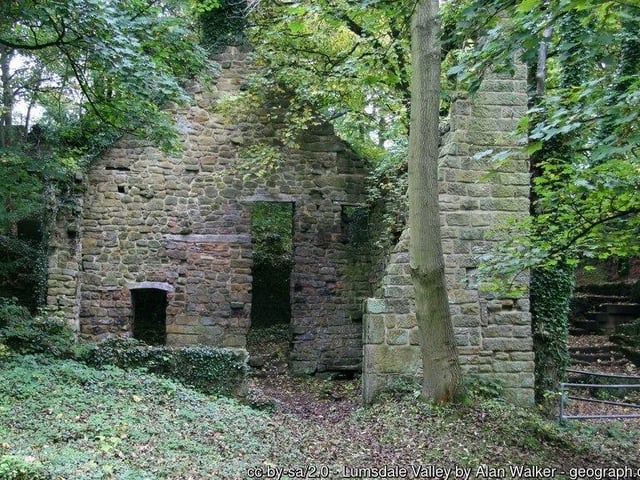
14. Lumsdale Mills, Matlock
Lumsdale Mills and its associated water management features is a scheduled monument - and features on the list of Derbyshire heritage sites at risk. It has extensive, significant problems - with the main risk being collapse. Photo: Photo © Alan Walker (cc-by-sa/2.0)
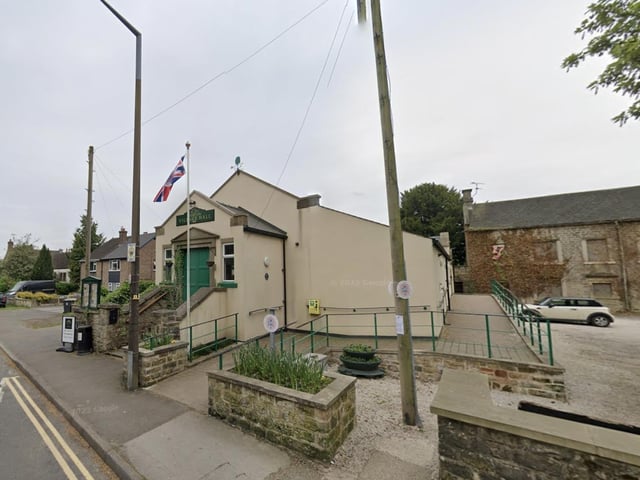
15. Morton Conservation Area, Morton
Morton Conservation Area is also described as being in poor condition by Historic England. Photo: Google
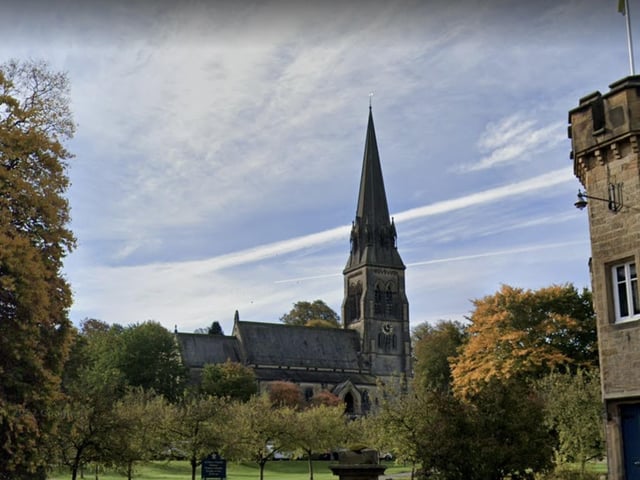
16. Church of St Peter, Edensor
The condition of this listed building is generally fair except for the north nave wall which has suffered from water ingress over a sustained period. Guttering has been repaired and stonework continues to dry out. Rainwater goods elsewhere have been repaired and renewed through a Historic England Covid-19 Emergency Heritage at Risk Response Fund grant. Aisle, chancel and chapel roof coverings are at the end of their lives, and failures are addressed as they arise, but slate roofs need re-covering when funding permits. Photo: Google