
Erected sometime between 1900 and 1922, the one-of-a-kind limestone building is such a distinctive part of the scenery that its £91,000 restoration received support from the Government’s Farming in Protected Landscapes (FiPL) programme which funds many kinds of projects across England’s most treasured beauty spots.
Judges for the 2025 Derbyshire Historic Buildings Trust architecture awards were so impressed with the results that they presented the project team with a commendation in the ‘restoration of a historic garden or landscape’ category at the annual ceremony a few weeks ago.
Suzanne Fowkes, a senior farm advisor at the Peak District National Park Authority, said: “The silo structure is unusual and considered to be a unique and rare feature given that it is the only one of its kind within the Peak District National Park. It does not have listed building status but is considered to be a significant cultural heritage asset.
“It is not known why the structure was built within the quarry face or what its original intended purpose would have been. Some local farmers suggest that it has been used for storing silage in the past, hence why it is known as Tissington Silo.
“Other suggested potential reasons for its construction include a munitions store – possibly for artillery practice during the First World War – or an observatory.
“Of course it is always possible that the owner of Tissington Estate at that time had been to America, seen the silos there and decided they wanted one on the estate, but instead of constructing entirely of tin, as they do America, they decided to use Derbyshire limestone.”
The current owners of the estate first approached PDNPA for help with repairs in 2021 but it took until 2024 for work to begin on site, after much design consideration from conservation architects Evans Vettori, who also managed the project in tandem with contractor ASBC Heritage & Conservation Specialists.
Suzanne, who has been with the authority for 40 years, said: “Whilst there was no photographic evidence to show that the silo had a roof there was evidence in the fabric of the building to suggest that it had been designed to have a roof and local farmers have indicated that there has been a tin roof structure in the past.
“The design stage produced an options appraisal to identify the most appropriate approach to the restoration based on the interpretation of available evidence and the long term structural stability of this heritage asset.”
While no decisions have been taken about future uses for the silo, the project has created several access points for wildlife.
Construction workers took a traditional approach with traditional materials, creating pitched timber roof with blue slate tiles. As the silo is built into the quarry face, the level of the eaves on one side of the roof proved a particular challenge.
Various options also had to be weighed up for protecting the roofline from potential damage by livestock, so volunteers from the Derbyshire Drystone Walling Association (DSWA) were enlisted to build a new wall.
The stones were mostly salvaged by PDNPA conservation volunteers, with some additional material sourced from Once a Week Quarry near Sheldon.
Suzanne played a key role in coordinating the various parties and ensuring work was completed on time, as required by the funding terms.
She said: “It is wonderful to have been able to secure the future of this curious and unique structure which adds character to this landscape.
“It was particularly rewarding to have been able to involve the DSWA alongside professional architects and restoration contractors; our project has played a small part in sustaining traditional conservation skills.”
She added: “Everyone involved was very pleased to hear that that the silo had been nominated for the awards and proud to receive a commendation.”
In their appraisal of the finished building, awards judges commended the project for “its craftsmanship, sensitivity, and the way it brings new understanding and care to a curious and little-known feature of Derbyshire’s rural heritage.”
Though there are many traditional buildings dotted across the national park which might benefit from the same kind of attention, it is uncertain whether there will be the means to carry out such projects in future, at a time when PDNPA’s own budget is under severe constraints.
Suzanne said: “The FiPL programme is due to end in March 2026 and so we are unable to take on new projects at this stage unless Defra confirms an extension to funding in future.
“It is unlikely that we will come across another structure like Tissington silo within the national park as it is so unique but it is possible that other unusual or significant cultural heritage features may be considered in future, subject to funding availability.”
Support your Derbyshire Times by becoming a digital subscriber. You will see 70 per cent fewer ads on stories, meaning faster load times and an overall enhanced user experience. Click here to subscribe.
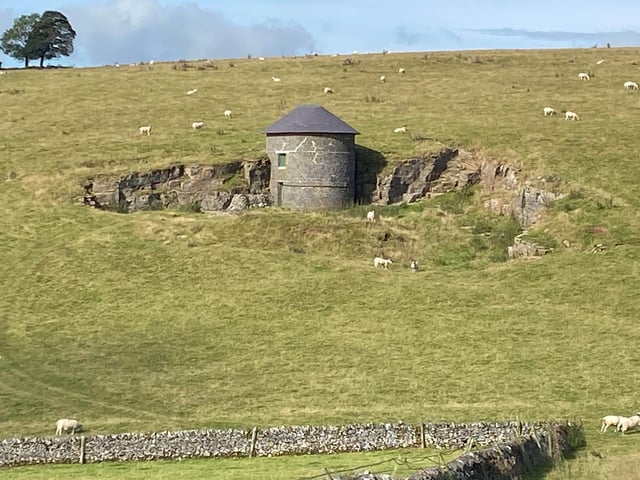
1. Tissington Silo
Built into a the side of a former quarry, the origins of the silo have been lost to time. Photo: Derbyshire Historic Buildings Trust
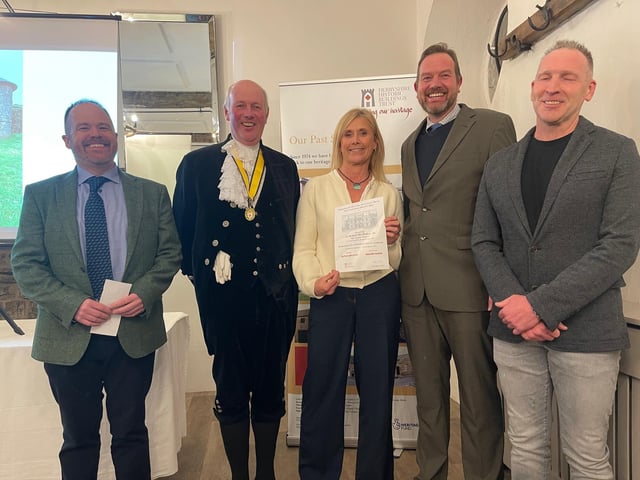
2. Tissington Silo
From left, DHBT chairman Richard Wood and High Sheriff of Derbyshire Sir Richard FitZherbert, presenting the award to PDNPA's Suzanne Fowkes, Evans Vettori architect Dan Greenway and Alan Staley from contractor ASBC. Photo: Derbyshire Historic Buildings Trust
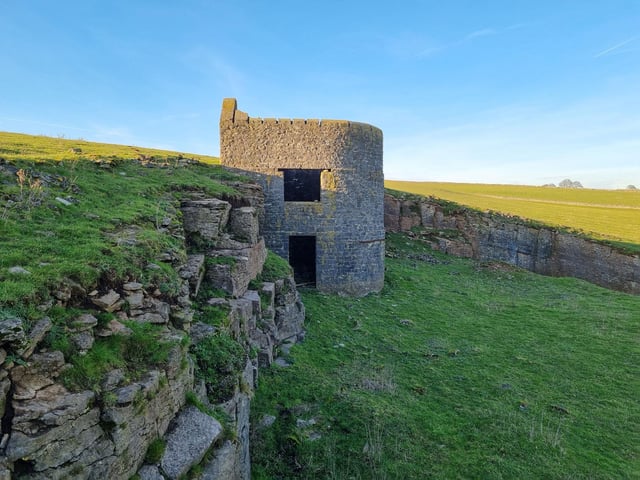
3. Tissington Silo
Before work began, the building was nothing but a stone shell. Photo: Peak District National Park Authority
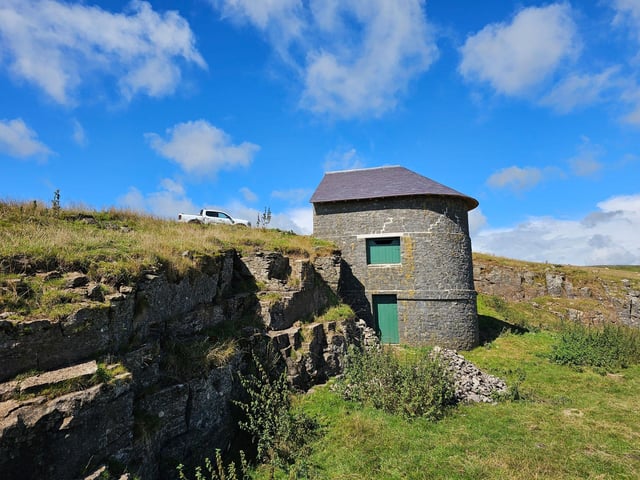
4. Peak District National Park Authority
The restoration should protect the structure for many years to come. Photo: Contributed