
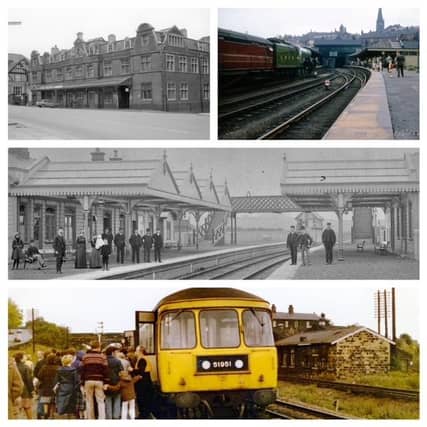


Maps of the town at the start of the 20th Century show the extent of railway development – with tracks radiating in all directions, accompanied by freight marshalling yards, locomotive depots and a series of historic stations serving different communities.
Only Chesterfield Railway Station survives – others closed in the Beeching cuts of the 1960s, or even earlier as competing lines were closed when companies were amalgamated.
We are grateful to Philip Cousins, of Chesterfield and District Civic Society, for producing this list of lost stations in the borough.
Philip has also thanked members of the Derbyshire Victoria County History Chesterfield research group for contributing to the article.
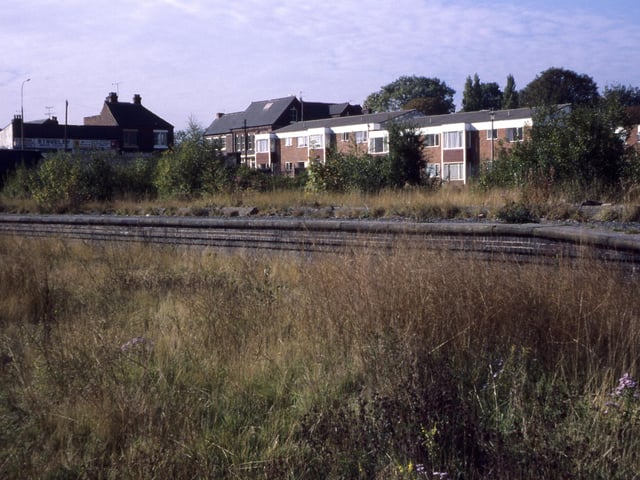
5. Staveley Central Station
The GCR loop joined the mainline at Staveley Central. Situated at Lowgates this is now the route of the A6192 Ireland Close. Philip said: "Another wooden station it opened in 1892 and closed in 1963. Nearby was a large engine shed (closed 1966) and railway workers’ housing." Platform remains were still visible at the former station until the new A6192 was constructed from 2007. Photo: Philip Cousins
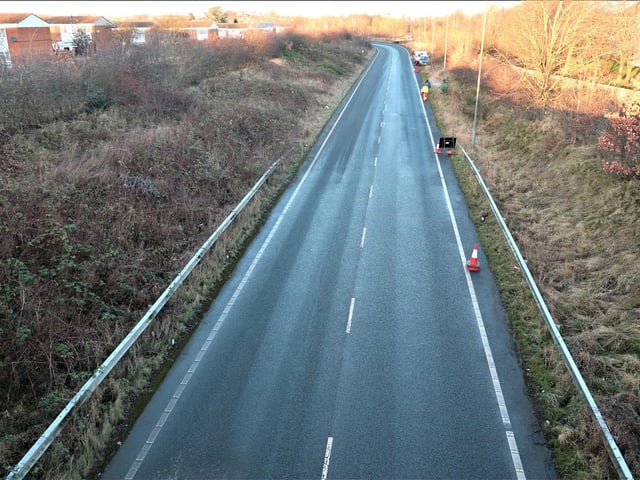
6. Staveley Central Station
Once a busy station – now a road. Where the platforms would have been at Staveley Central, taken from the Lowgates road bridge. Photo: Philip Cousins
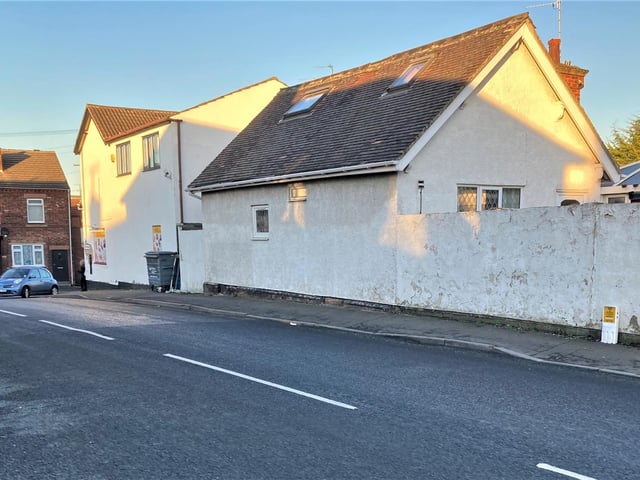
7. Staveley Town Station
A little further on from the GCR’s station at Lowgates was the Midland Railway’s Staveley Town station, at Netherthorpe, opened in 1888 and closed in 1951, a road-side building, presumably the booking office, still survives on Fan Road. The platforms were in a cutting behind and below this building. This was not a mainline station – the route ran to/from Mansfield and Chesterfield via Clowne. Photo: Philip Cousins
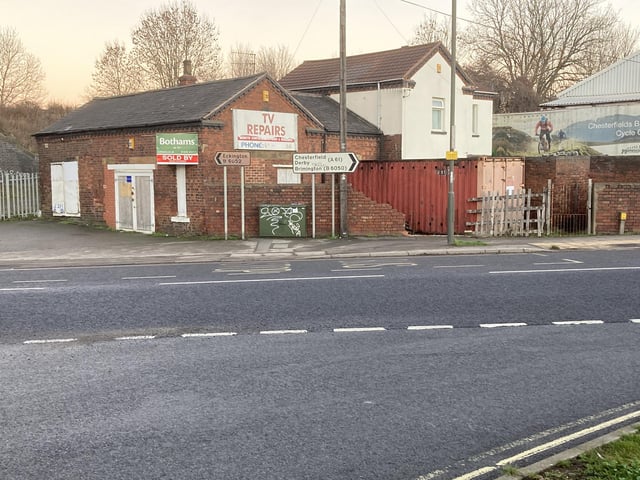
8. Sheepbridge and Whittington Moor Station
This station was opened when the Midland Railway built their direct line from the still in business Chesterfield railway station to Sheffield in 1870. The booking office still survives at street level. The station closed in 1967, but was used for engineering works diversions until 1975. The white painted building adjacent would once have been the station master’s house. Photo: Philip Cousins