
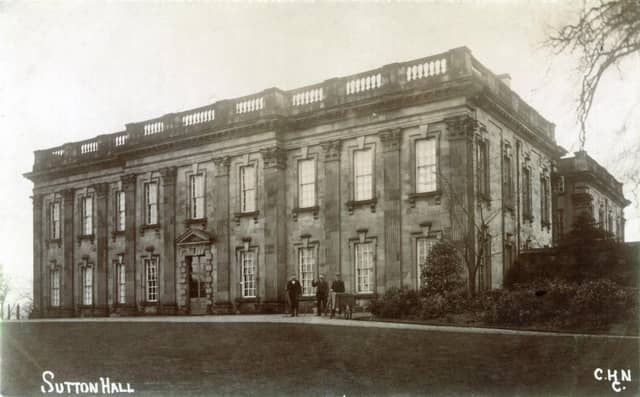

They include a ruined mansion which once served as a backdrop to a Hollywood film, the former manor homes of the wealthiest and best-known Derbyshire families and several houses built on the historic sites of much older Medieval country seats.
Chesterfield and District Civic Society has produced a list of lost, or much reduced, country properties within a 10-mile radius of Chesterfield.
Others not pictured include Wingfield Manor at South Wingfield, Whittington Manor, Walton Hall, Spital House, Sutton Scarsdale Hall, Park House at Pilsley, Linacre Hall at Brampton and Caus Hall at Old Brampton.
We’ve also included photos and illustrations of historic lost buildings from the archives, including Melbourne Castle.
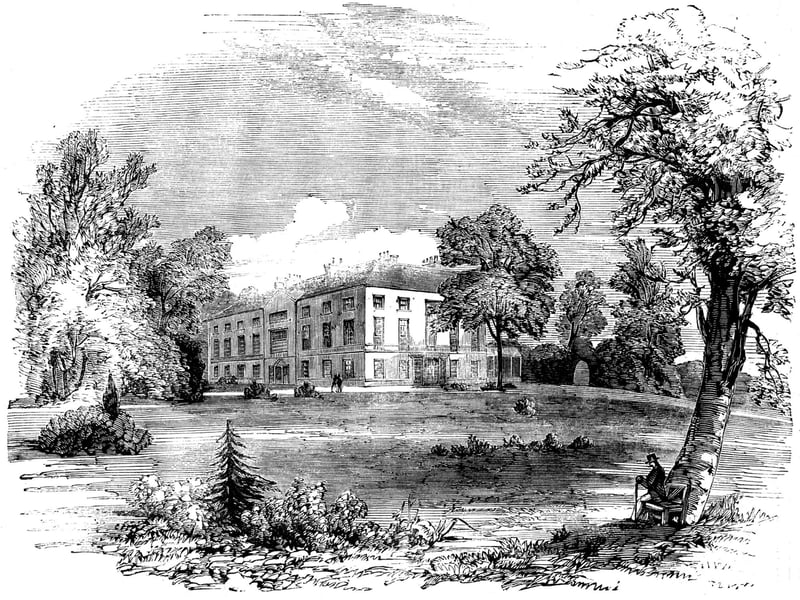
13. Tapton House
Tapton House is still standing but proposals put forward by developers will see the main house converted into residential accommodation which includes 15 apartments, three townhouses and two bungalows built in place of the annex buildings. From "Illustrated London News", 1858: "The Residence of the Late Mr. G. Stephenson, 1858. Chesterfield has acquired a celebrity by its connection with the memory of the late celebrated George Stephenson. Across the valley to the right, on the summit of a hill, stands Tapton House, where Mr. Stephenson resided during the last ten years of his life, and where many of his most important plans were formed and perfected. Tapton House is a large, commodious mansion, beautifully situated amidst woods, and surrounded by a park. When Mr. Stephenson took possession of Tapton House the gardens and pleasure-grounds adjoining were in a very neglected state, but his love of nature soon caused them to assume a new aspect, and to exhibit more than ordinary attraction. His first improvement was to cut a woodland footpath up the hill, by which he added a beautiful feature to the park, and secured a shorter road to the Chesterfield station. He was continually suggesting new improvements, so that the numerous workmen he had in his employ were never idle; and at the time of his death Tapton House, with its gardens, hothouses, and pleasure-grounds, was justly celebrated as exhibiting the most interesting evidences of his taste and genius." Photo: Heritage Images
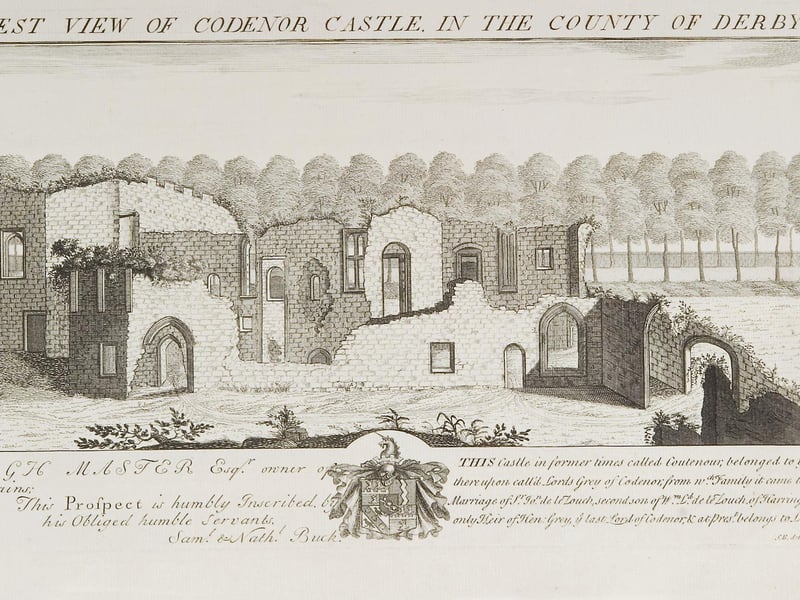
14. Codnor Castle
'The West View of Codenor Castle', Derbyshire, 1727. Legh Master Esq was the owner of the remains at the time this engraving was made. Codnor Castle is a 13th century stone keep and bailey fortress, founded by William Peveril. It is one of only two such early medieval castles in Derbyshire (the other being Peveril Castle at Castleton). (Photo by NEMPR Picture the Past/Heritage Images/Getty Images) Photo: Heritage Images
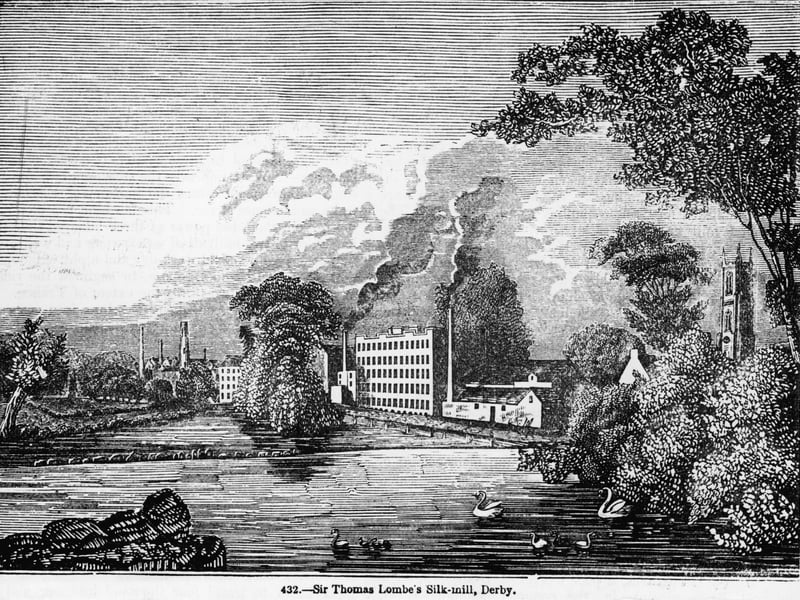
15. Thomas Lombe's silk mill
Thomas Lombe's silk mill in Derby, circa 1720. Some parts of the original structure still stand today. The factories that originally formed what was first callled Lombe's Mill are considered the oldest in the world and were built between 1702 and 1717, as a series of industrial projects that began to shape Derby as we now know it. (Photo by Hulton Archive/Getty Images) Photo: Hulton Archive
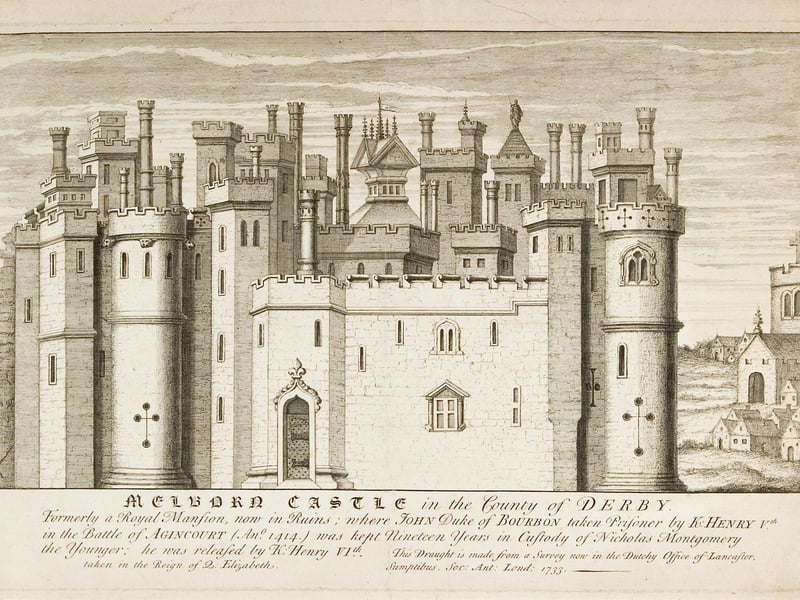
16. Melbourne Castle
Melbourne Castle, Derbyshire, c1727. The castle was originally a royal fortified manor house, founded by King John. In 1311, Robert de Holand founded the stone castle. Sadly the only remains are a fragment of one wall and the buried foundations of rooms and a semi-circular tower. The castle with its square gatehouse, was a large and impressive multi-towered structure but it was never fully completed. In 1461 during the Wars of the Roses, this Lancastrian fortress was partially dismantled and left to decay, being eventually demolished in the 17th century. (Photo by NEMPR Picture the Past/Heritage Images/Getty Images) Photo: Heritage Images