
Chesterfield, Derbyshire and the Peak District are home to a number of renowned historical locations – but there are plenty of lesser-known heritage sites to explore as well.
We have compiled a list of 18 historical sites that you might know nothing about – will you be making plans to visit any of them over the coming weeks and months?
1. Hidden historical spots
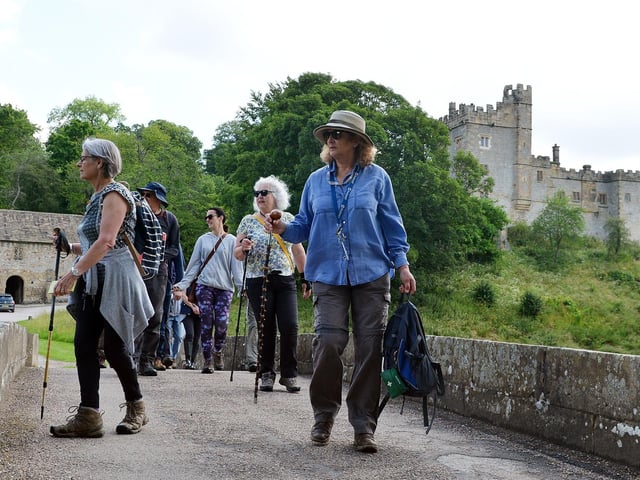
These hidden historical places are perfect to visit across Derbyshire and the Peak District over the Easter holidays or during spring. Haddon Hall is one landmark that should feature on your list of places to visit - especially if you find yourself in the Bakewell area. Photo: Brian Eyre
2. Historic village on the Chatsworth Estate
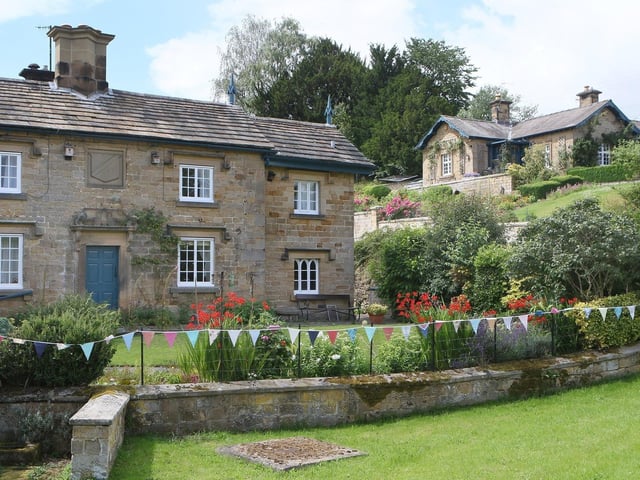
This custom-built village on the Chatsworth Estate was specially commissioned by the sixth Duke of Devonshire, and incorporates a variety of stunning traditional house designs – including mock Tudor properties and Swiss-style cottages. Edensor also has a connection to former US President John F Kennedy, who made the pilgrimage to Edensor in July 1963 to visit the grave of his sister Kathleen Kennedy (who had married into the Devonshire family). Photo: jason chadwick
3. Admire Britain’s only known example of ice age cave art at Creswell Crags
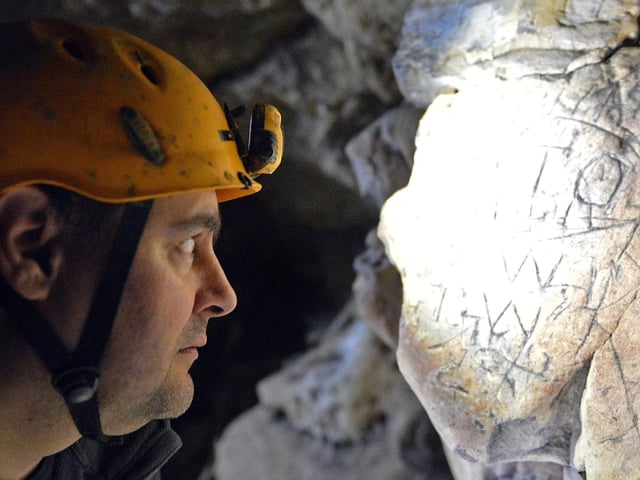
The remarkable ancient limestone caves at Creswell Crags are filled with history, including the only known example of ice age cave art in the country - which has been dated at around 13,000 years old. Photo: Brian Eyre
4. Try to spot the remains of Derbyshire’s flooded villages
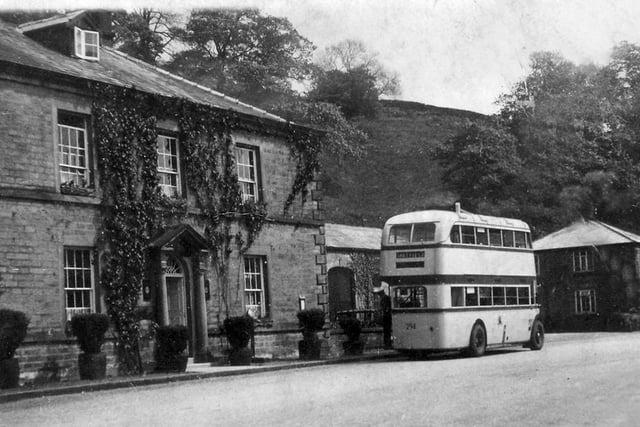
When water levels at Ladybower Reservoir are low, walkers may be able to catch a glimpse of Derwent - a village that was flooded as part of the creation of the reservoir. Derwent and nearby Ashopton (pictured here) were small villages but had tight-knit communities - and Ashopton’s inn was a popular stop on the route between Sheffield and Glossop. In spite of fierce local opposition, each building in the two villages was bought compulsorily by the Derwent Valley Water Board. Residents of both villages were moved to Bamford and their homes demolished, before the area was flooded in 1945. Photo: DT