
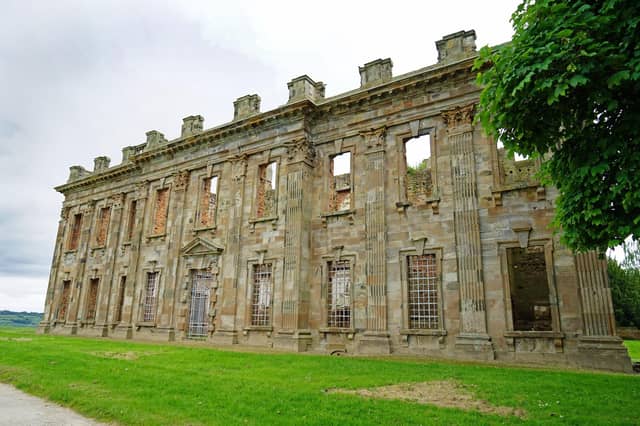

Chesterfield, Derbyshire and the Peak District are home to a number of renowned historical locations – but there are plenty of lesser-known heritage sites to explore as well.
We have compiled a list of 16 historical sites that you might know nothing about – will you be making plans to visit any of them over the coming weeks and months?
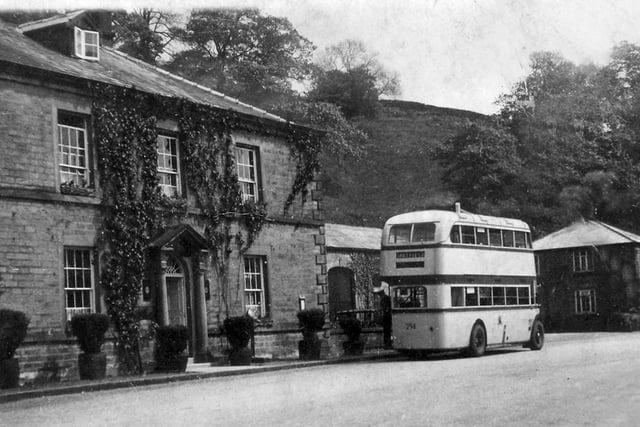
5. Try to spot the remains of Derbyshire’s flooded villages
When water levels at Ladybower Reservoir are low, walkers may be able to catch a glimpse of Derwent - a village that was flooded as part of the creation of the reservoir. Derwent and nearby Ashopton (pictured here) were small villages but had tight-knit communities - and Ashopton’s inn was a popular stop on the route between Sheffield and Glossop. In spite of fierce local opposition, each building in the two villages was bought compulsorily by the Derwent Valley Water Board. Residents of both villages were moved to Bamford and their homes demolished, before the area was flooded in 1945. Photo: DT
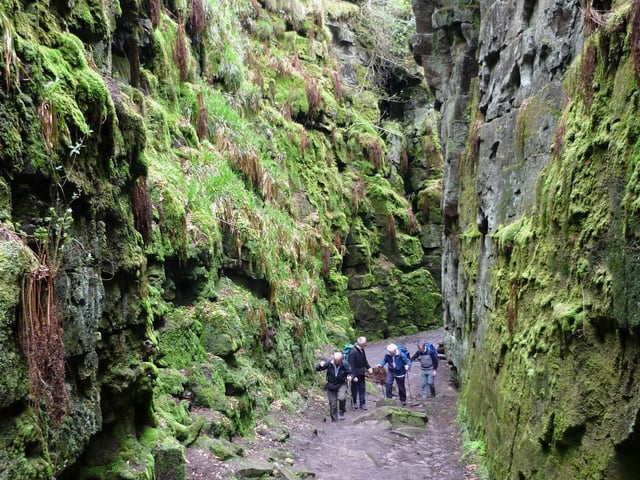
6. Visit Robin Hood’s hiding place
This Peak District chasm is both naturally and historically remarkable. It was known as a secret place of worship in the 15th century, and myths also claim that Robin Hood and Friar Tuck hid here from the authorities. Photo: Photo © Graham Hogg (cc-by-sa/2.0)
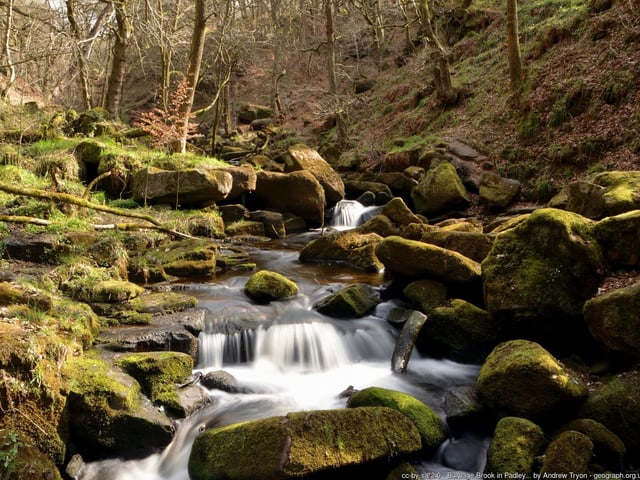
7. Learn more about the ‘Padley Martyrs’
Arriving at Grindleford Station, walkers can follow Padley Gorge up onto the moors, before taking in the scenery at Surprise View and looping back round to the station. The walk can also be combined with a visit to Padley Chapel, a Grade I listed building located at the site where the ‘Padley Martyrs’ - two Catholic priests who were executed for treason - were discovered in 1588. Photo: Photo © Andrew Tryon (cc-by-sa/2.0)
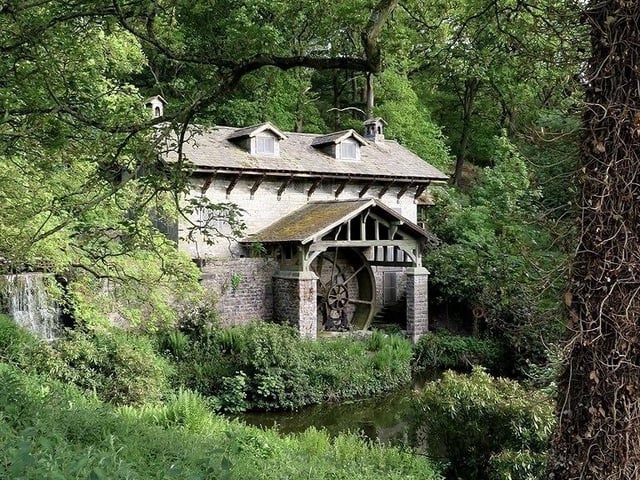
8. Explore a fairytale village at Osmaston
Osmaston is a fairytale village near Ashbourne, complete with thatched cottages and stunning woodland. Visitors should head to Osmaston Park for a glimpse of the picturesque old sawmill - which was built back in the 1850s. Photo: cc-by-sa/2.0 - © John Sutton - geograph.org.uk/p/6164714